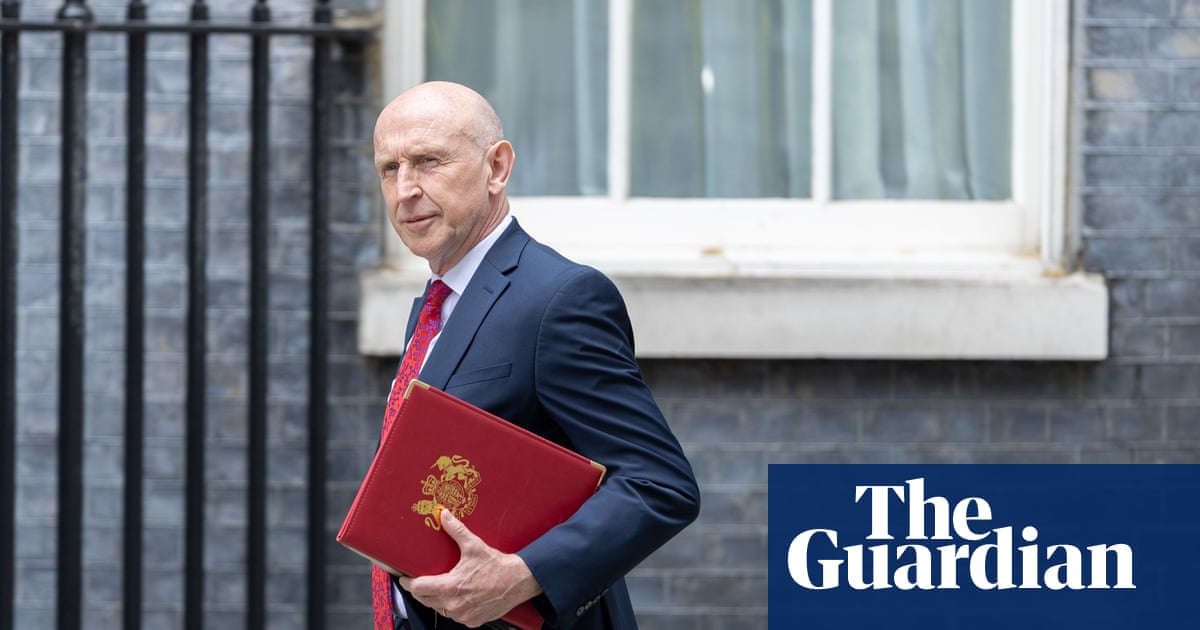
Jaguar Land Rover faces 4,000 job cuts ahead of redundancy rollout
Jaguar Land Rover has launched a voluntary redundancy programme threatening up to 4,000 jobs, triggering urgent talks between ministers and union leaders.

- Core Development: Jaguar Land Rover has launched a voluntary redundancy programme threatening up to 4,000 jobs, triggering urgent talks between ministers and union leaders.
- Beat Context: Categorized under Cost of Living with independent corroboration.
- Reporting Depth: 4 minute analytical read synthesized from verified newsroom sources.
Britain's largest car manufacturer has launched a voluntary redundancy programme aimed at saving billions, placing thousands of roles in jeopardy and testing government pledges to rebuild domestic manufacturing. According to reports from the BBC and the Sunday Times cited by Inews, the Indian-owned carmaker informed employees and unions of the looming cuts ahead of a formal announcement. The developments have triggered urgent political intervention, with Business Secretary Jonathan Reynolds scheduling talks with the company's chief executive, PB Balaji, as ministers face intense union pressure to protect the domestic workforce.
The restructuring effort at Devdiscourse is designed to trim expenses and reduce break-evens. JLR stated that it needs to save approximately £1.7 billion over a two-year timeline while lowering break-even thresholds to 300,000 vehicles. A company spokesperson explained the rationale behind the downsizing:
"To achieve this, we must further simplify our organisation, improve efficiency and build greater resilience."
JLR spokesperson, via iNews
The redundancy rollout directly affects salaried and management team members across the business, which employs roughly 30,000 people in Britain with its primary facility situated in Solihull, West Midlands. Further details regarding the rollout are expected to be communicated internally to staff first.
The unfolding crisis arrives at a delicate moment for Prime Minister Andy Burnham, whose administration commenced six weeks prior, according to Devdiscourse. Reindustrialisation formed a central pillar of Burnham's electoral platform, with promises to safeguard sovereign manufacturing and foster growth across every region. Yet reversing long-term industrial contraction remains an uphill battle. Britain's industrial base has shrunk from accounting for 30 per cent of the national economy in 1979 down to roughly a tenth, leaving modern leaders with a narrow margin for error.
Government figures have defended their record, pointing to significant interventions designed to shore up the automotive sector. Executive support includes capital and research-and-funding packages aimed at zero-emission vehicle manufacturing, alongside targeted energy bill reductions and electric car grants. Despite these measures, external economic headwinds have continued to batter legacy manufacturers. Chief executive PB Balaji highlighted several compounding factors in the carmaker's annual report, pointing to continuous pressure from cost inflation, a slower-than-anticipated uptake of electric vehicles, and worsening conditions in the Chinese market.
| Metric | Figure / Detail |
|---|---|
| Estimated Job Reductions | Up to 4,000 workers |
| Target Savings | Approximately £1.7 billion over two years |
| Target Break-Even Volume | 300,000 vehicles |
| Total UK Workforce | Approximately 30,000 people |
| Primary Manufacturing Hub | Solihull, West Midlands |
External pressures extend far beyond domestic consumer trends. Global supply chains and manufacturing viability have been heavily strained by rising energy costs stemming from geopolitical conflicts, alongside tariffs imposed by the United States on British steel, aluminium, and manufactured goods. Furthermore, critics argue that domestic policy choices—such as increases to National Insurance contributions for employers—have dampened corporate hiring appetites and discouraged industrial expansion.
Labour unions have moved quickly to lobby Westminster for intervention. Sharon Graham, general secretary of the Unite union, held intensive discussions with Jonathan Reynolds over the weekend. The stated objective of those talks is to mitigate the impending job losses wherever possible, though the Government has not yet detailed what specific steps it might take to halt the redundancy process. Government spokespeople acknowledged the anxiety rippling through affected communities, noting in an official statement:
"We understand that this will be an uncertain and concerning time for affected workers, their families and wider communities."
Government spokesperson, via iNews
The troubles at JLR mirror broader European manufacturing trends, reflected in parallel contraction moves by German automotive giant Volkswagen. As policymakers weigh their options ahead of the upcoming October Budget, critics argue that the sheer scale of the JLR restructuring lays bare the limits of state support in the face of aggressive international trade barriers and slowing global demand.
Business Secretary Jonathan Reynolds is scheduled to continue high-level consultations with senior corporate leadership. Stakeholders across the West Midlands and beyond will be watching closely to see whether direct government engagement can salvage any of the threatened positions or alter the carmaker's long-term restructuring trajectory.
How significant is this development?
Contribute your assessment to the aggregated reader sentiment ledger.
Frequently Asked Questions
Key questions answered in this reportWhat is the key development in: Jaguar Land Rover faces 4,000 job cuts ahead of redundancy rollout?
Jaguar Land Rover has launched a voluntary redundancy programme threatening up to 4,000 jobs, triggering urgent talks between ministers and union leaders.
Why is this Cost of Living development significant for the UK?
This report covers critical events in our Cost of Living beat. Independent reporting monitors related UK statements, regulatory shifts, and public responses as further verified details emerge.
How was this reporting corroborated and verified?
Newsarchy UK compiles and cross-references reporting from primary reporting from inews.co.uk and cross-checked wire reports. All coverage adheres to published editorial standards.
When was this report published?
This briefing was published on September 6, 2026 and is permanently cataloged in the Newsarchy UK Cost of Living archives.