Global stocks rise as energy surge offsets yen hitting 40-year low
Global markets show resilience as an energy sector rally offsets the Japanese yen's decline to its weakest level since 1986. Investors are now closely watching upcoming tech earnings and central bank policy for signals on inflation.

- Core Development: Global markets show resilience as an energy sector rally offsets the Japanese yen's decline to its weakest level since 1986. Investors are now closely watching upcoming tech earnings and central bank policy for signals on inflation.
- Beat Context: Categorized under Business with independent corroboration.
- Reporting Depth: 3 minute analytical read synthesized from verified newsroom sources.
Global financial markets navigated a turbulent Wednesday, 22 July 2026, as a surge in energy prices countered the impact of the Japanese yen sliding to its lowest level against the U.S. Dollar in four decades. While the rise in crude oil sparked inflationary concerns, investors found support in resilient technology stocks, balancing the business outlook amid persistent geopolitical volatility in the Middle East.
The yen reached a significant threshold, crossing 163 per U.S. Dollar on Tuesday in New York before holding near that mark during Asian trading on Wednesday. The currency’s decline, its weakest performance since 1986, has drawn sharp warnings from Tokyo. Finance Minister Satsuki Katayama reiterated the government’s readiness to take “decisive action” should currency markets experience excessive volatility. Echoing this sentiment, Chief Cabinet Secretary Minoru Kihara stated that authorities are prepared to respond as appropriate at any time. Despite these repeated verbal interventions, market participants remained skeptical of the efficacy of such warnings, noting that the government had already spent 11.73 trillion yen on market intervention between late April and May of this year with only temporary results.
Media additions
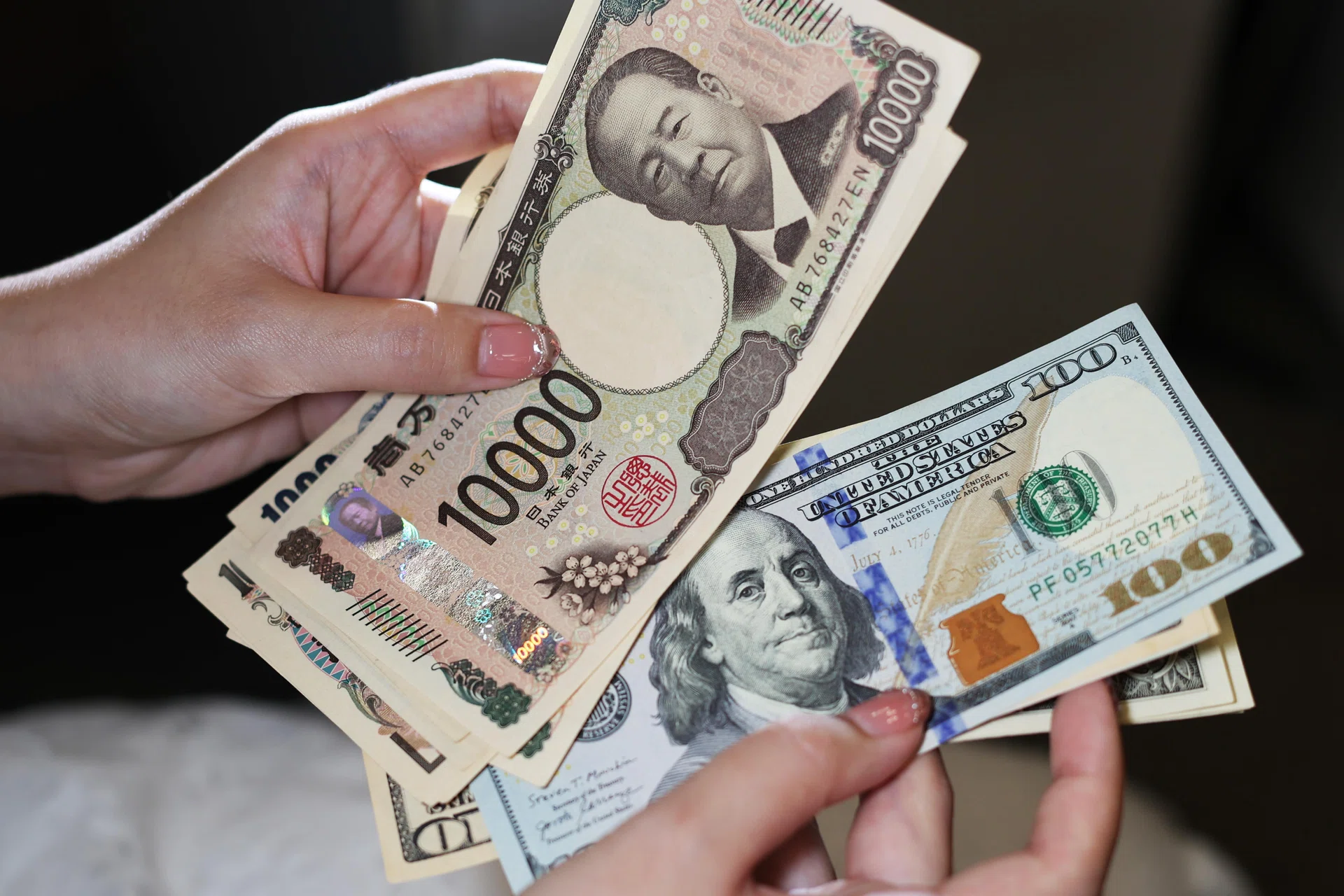

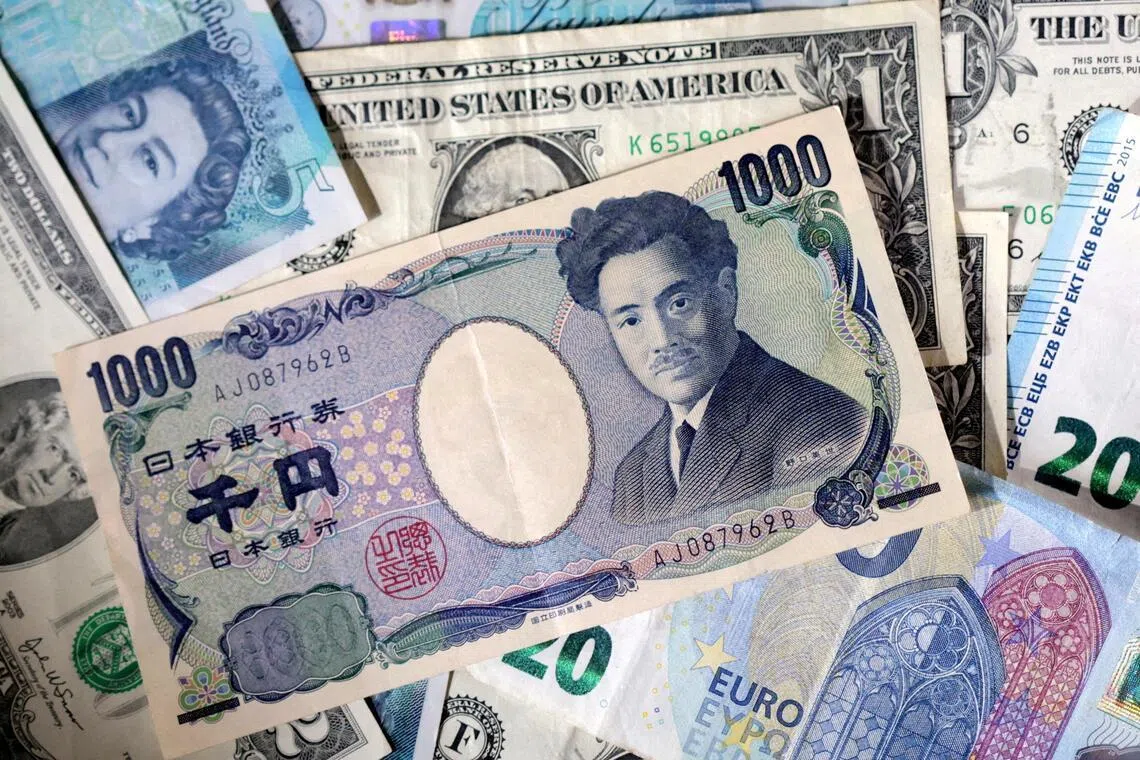
Analysts suggest the yen’s weakness is fundamentally driven by a widening interest-rate divergence between the United States and Japan, compounded by concerns over Japan's fiscal policy direction. Takahide Kiuchi, an executive economist at the Nomura Research Institute, noted that an economic blueprint recently introduced by the administration failed to alleviate market worries regarding potential government interference in the Bank of Japan’s monetary policy, which could hinder efforts to curb inflation.
Simultaneously, the energy sector provided a notable lift to global equities as crude oil prices climbed to six-week highs. This rise follows reports that two oil tankers carrying Saudi crude to Asia reversed their routes in the Red Sea following threats from Iran-aligned Houthi rebels. The continued disruption to global shipping routes has fueled concerns about supply-side bottlenecks. In response, oil and gas shares in Europe helped drive the STOXX 600 index upward. However, this surge in energy costs complicates the path for central banks, including the U.S. Federal Reserve and the European Central Bank, as they weigh the potential for sticky inflation against the need for economic growth.
Tech-heavy indices presented a more nuanced picture. While regional markets in Asia—particularly in South Korea and Taiwan—saw gains driven by robust demand for semiconductors, U.S. Equity futures signaled potential weakness. Investors are bracing for upcoming earnings reports from major technology firms. Even the slightest doubt about the monetization of artificial intelligence or the return on infrastructure spending could call into question the main driver of the market rally over the past nearly two years,
said John Plassard, head of investment strategy at Cité Gestion.
Market Indicators and What to Watch Next
- Currency Vigilance: Traders remain alert to potential intervention by the Japanese Ministry of Finance to defend the yen, though analysts suggest the market may continue to test the 163 per dollar level.
- Central Bank Policy: With the Federal Reserve’s decision expected next week, markets are pricing in the possibility of further rate hikes by year-end, which could further exacerbate interest-rate differentials.
- Earnings Focus: Upcoming disclosures from Alphabet and Tesla are under intense scrutiny; the former faces questions regarding delays to key artificial intelligence models, while the latter is widely expected to report its first quarterly cash burn in over two years.
- Geopolitical Risk: Security in the Red Sea remains a primary concern for energy traders, with potential for further oil price volatility as U.S.-Iran hostilities persist.
Gold, often utilized as a hedge during periods of geopolitical uncertainty, benefited from the current climate, reaching a two-week high. Meanwhile, Japan’s trade data for June highlighted the double-edged sword of a weak currency: while import costs have reached record highs, exports have exceeded expectations, bolstered by intense demand for data center and artificial intelligence infrastructure. As markets look toward the remainder of the week, the tension between resilient semiconductor fundamentals and the broader inflationary pressure of rising oil prices remains the defining challenge for investors.
How significant is this development?
Contribute your assessment to the aggregated reader sentiment ledger.
Frequently Asked Questions
Key questions answered in this reportWhat is the key development in: Global stocks rise as energy surge offsets yen hitting 40-year low?
Global markets show resilience as an energy sector rally offsets the Japanese yen's decline to its weakest level since 1986. Investors are now closely watching upcoming tech earnings and central bank policy for signals on inflation.
Why is this Business development significant for the UK?
This report covers critical events in our Business beat. Independent reporting monitors related UK statements, regulatory shifts, and public responses as further verified details emerge.
How was this reporting corroborated and verified?
Newsarchy UK compiles and cross-references reporting from primary reporting from econotimes.com and cross-checked wire reports. All coverage adheres to published editorial standards.
When was this report published?
This briefing was published on July 22, 2026 and is permanently cataloged in the Newsarchy UK Business archives.