Oil prices surge above $100 a barrel as Iran war escalates, stocks tumble
Brent crude oil prices surged past $100 a barrel for the first time since July as escalating conflict between the U.S. and Iran disrupted global energy markets.

- Core Development: Brent crude oil prices surged past $100 a barrel for the first time since July as escalating conflict between the U.S. and Iran disrupted global energy markets.
- Beat Context: Categorized under Business with independent corroboration.
- Reporting Depth: 4 minute analytical read synthesized from verified newsroom sources.
International benchmark Brent crude oil futures breached the psychological threshold of $100 a barrel on Wednesday, September 9, 2026, for the first time since July, as a sharp escalation in the U.S. War with Iran sent shockwaves through global energy markets and triggered a broad sell-off on Wall Street.
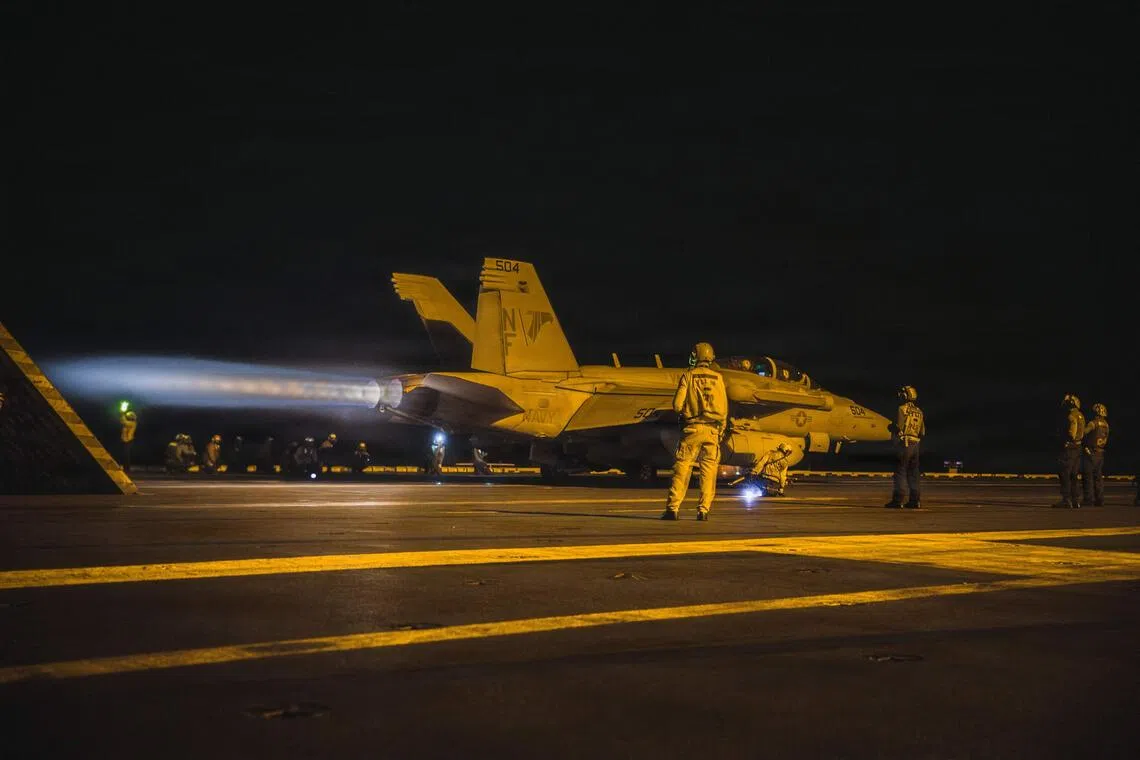
The latest surge follows a series of violent maritime confrontations. According to The Boston Herald, the U.S. Military destroyed five Iranian tankers on Tuesday following exchanges of missile and drone fire between the two nations. The conflict, which began on February 28, has effectively paralyzed traffic through the Strait of Hormuz. That vital waterway previously handled roughly one-fifth of the global oil and gas supply, as detailed by The Straits Times.
Media additions

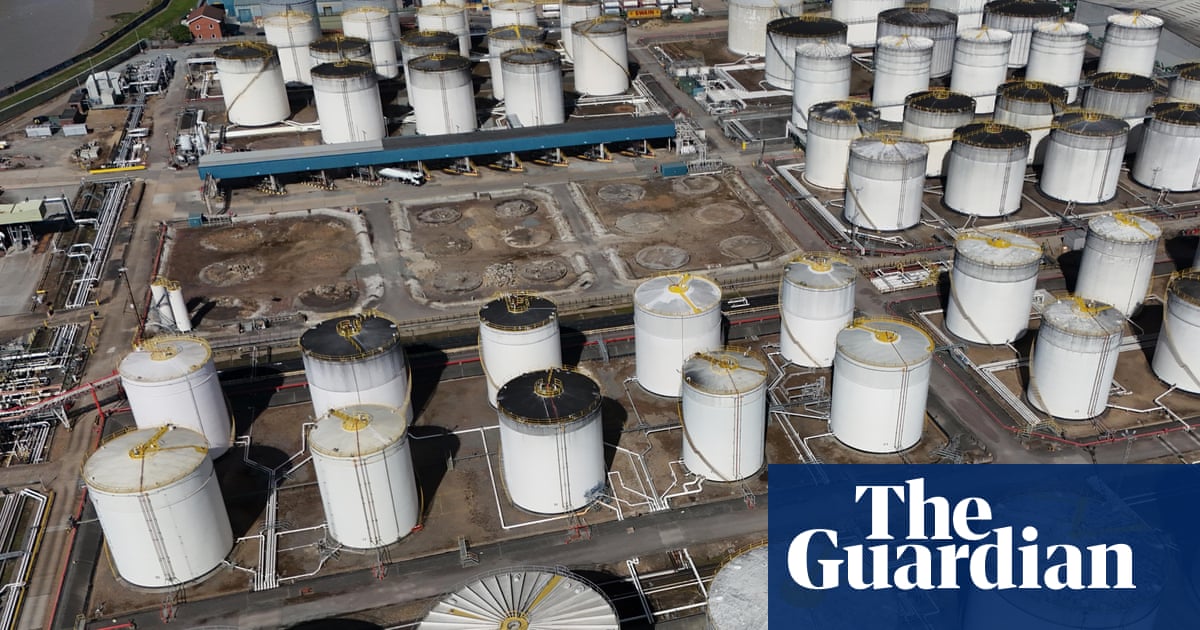
Energy disruption quickly rippled across global commodities. European natural gas prices climbed sharply, with benchmark Dutch gas contracts jumping nearly 4% and approaching 78.73 euros per megawatt-hour, the highest settlement since early 2023, according to The Guardian.
Flow statistics underscore the severity of the supply squeeze. Data from Rystad Energy, cited by Al-Monitor, indicates that daily crude flows through the Strait of Hormuz plummeted below 2 million barrels per day, a steep drop from the 8 million to 9 million barrels per day recorded just prior to the resumption of heavy fighting on August 30.
| Crude Benchmark | Price Movement | Percentage Change | Key Context |
|---|---|---|---|
| Brent Crude | $101.09 - $101.32 | Up ~3.2% to 3.5% | First time above $100 since July |
| West Texas Intermediate (WTI) | $96.48 | Up ~3.7% | Reaching highs not seen since June |
| European Dutch Gas | €78.73 / MWh | Up nearly 4% | Highest settlement since January 2023 |
Equity markets reacted swiftly to the geopolitical shock. On Wall Street, the Dow Jones Industrial Average fell 346 points, or 0.7%, while the S&P 500 and Nasdaq composite both dropped 0.5% and 0.7% respectively by midday Wednesday, according to WRAL. Retail giants felt the pinch, with Amazon falling 2.1% and Starbucks dropping 2%, while major energy producers bucked the trend; Exxon Mobil rose 1.8% and Chevron gained 1.4%.
Bond markets also felt the strain. The yield on the 10-year Treasury climbed to 4.85% from 4.80% late Tuesday, marking its highest level since late October 2023, following a U.S. Treasury Department announcement to buy back up to $6 billion in long-term debt to contain rising yields. Guy LeBas, chief fixed income strategist at Janney Montgomery, remarked on the intervention:
"The simplest version here is that market interventions have a long history of not working very well."
Guy LeBas, Chief Fixed Income Strategist at Janney Montgomery, via The Boston Herald
Inflationary pressures are building directly for everyday consumers. U.S. Gasoline prices average $4.22 per gallon, up roughly 32% from a year ago, while diesel prices reached an all-time high of $5.94 per gallon, according to BNN Bloomberg. In the United Kingdom, petrol at the pump hit an average of 166.2p a litre, the highest level in four years, according to motoring body the AA cited by The Guardian.
These mounting cost pressures have led analysts and central bankers to re-evaluate monetary policy trajectories. Fawad Razaqzada, a market analyst at FOREX.com, noted:
Razaqzada added that the combination of resilient employment and energy price pressures represents hawkish signals for the Federal Reserve, raising concerns that a sustained oil surge could reverse hard-won inflation progress."The continuing conflict in the Middle East is keeping concerns over supply disruptions, and that in turn is worrying investors about the inflationary consequences of elevated oil prices."
Fawad Razaqzada, Market Analyst at FOREX.com, via The Straits Times
Financial institutions are reacting to the shifting landscape by upgrading their forecasts. According to Yahoo Finance UK, Goldman Sachs has warned that prolonged disruptions could drive Brent prices toward $120 a barrel.
Wall Street awaits the U.S. Producer Price Index for wholesale inflation on Thursday, followed by the Consumer Price Index on Friday, which will heavily influence expectations for the Federal Reserve's benchmark interest rate decision at its meeting next week.
How significant is this development?
Contribute your assessment to the aggregated reader sentiment ledger.
Frequently Asked Questions
Key questions answered in this reportWhat is the key development in: Oil prices surge above $100 a barrel as Iran war escalates, stocks tumble?
Brent crude oil prices surged past $100 a barrel for the first time since July as escalating conflict between the U.S. and Iran disrupted global energy markets.
Why is this Business development significant for the UK?
This report covers critical events in our Business beat. Independent reporting monitors related UK statements, regulatory shifts, and public responses as further verified details emerge.
How was this reporting corroborated and verified?
Newsarchy UK compiles and cross-references reporting from primary reporting from MEED and cross-checked wire reports. All coverage adheres to published editorial standards.
When was this report published?
This briefing was published on September 9, 2026 and is permanently cataloged in the Newsarchy UK Business archives.