Treasury Secretary Scott Bessent risks economic stability with short-term debt gamble
Treasury Secretary Scott Bessent's aggressive short-term debt interventions to lower borrowing costs have sparked intense backlash from Wall Street as the 30-year yield climbs above 5.3%.
U.S. Treasury Secretary Scott Bessent has launched an aggressive series of financial interventions to force down long-term borrowing costs, sparking a fierce clash with Wall Street and intensifying anxieties over the nation's fiscal trajectory. As long-term yields push toward historic highs, the administration’s strategy of deploying short-term debt management tactics to manipulate the bond market has drawn sharp warnings from veteran financiers and economic analysts alike.
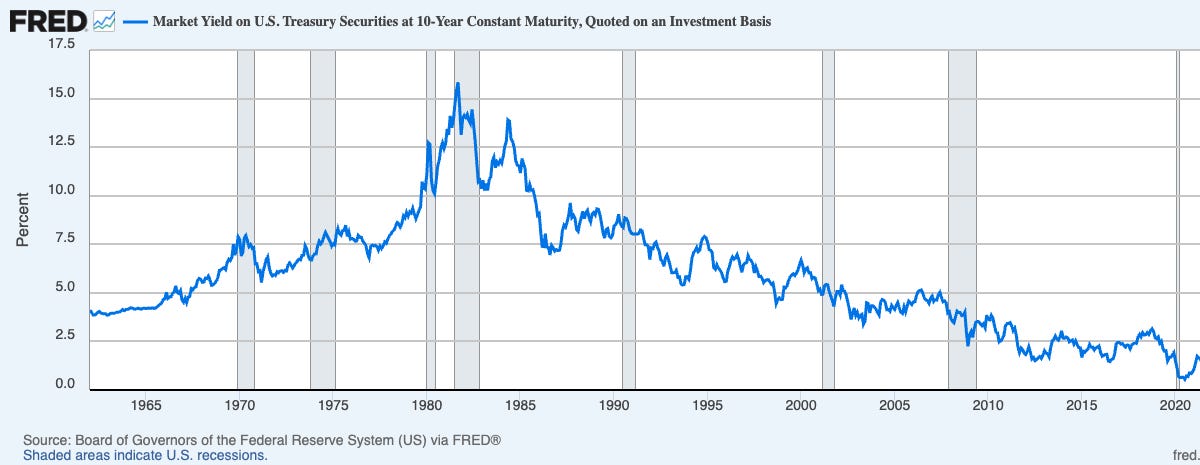
The latest market turbulence reflects deep structural pressures across the American economy. According to reporting highlighted in Substack — The Misleading Treasury Bond Controversy, nominal and real rates have moved toward traditional, long-term historical levels. Yet the nation’s debt load sits at levels unseen since World War II, creating a fragile backdrop for policy experimentation. Long-term Treasury yields have climbed steadily, with the 10-year yield pushing toward 5% and the 30-year yield recently scaling above 5.3% for the first time since 2007, as detailed by 247wallst — Scott Bessent Wants to ‘Put the Fear of God’ Into Bond Vigilantes - Why This Midterm Ploy Could Backfire on Investors.
Media additions


At the heart of the controversy is Bessent's attempt to counter what market participants call bond vigilantes, large investors who sell Treasuries when fiscal policy appears inflationary or unsustainable. To combat this pressure, the Treasury Department announced that it would double long-end buybacks from $2 billion to $4 billion per operation, targeting 10- to 20-year and 20- to 30-year securities. Furthermore, Bessent floated the utilization of the Treasury General Account (TGA), which held roughly $950 billion, to finance expanded bond purchases. However, experts note that the practical buffer is far smaller, with usable funds realistically constrained to between $100 billion and $200 billion once active government obligations are accounted for.
Financial institutions have not hesitated to push back. Citadel Securities characterized the administration's approach as "financial repression," while Morgan Stanley warned that the measures may offer only fleeting relief. Analysts point out that these tactical interventions cannot erase a debt load approaching $40 trillion, nor can they offset the massive capital demands driven by the artificial intelligence buildout. Hyperscalers and governments are locked in fierce competition for the same pool of bond-market money, forcing investors to demand higher compensation for long-term lending.
| Metric / Indicator | Current Range / Estimate | Historical Context |
|---|---|---|
| 10-Year Treasury Yield | Pushing toward 5% (approx. 4.7%) | Consistent with pre-crisis ranges, though below 1990s averages of 6.5%-7% |
| 30-Year Treasury Yield | Climbed above 5.3% | Highest level recorded since 2007 |
| Total U.S. Federal Debt | Roughly $40 trillion ($32 trillion in debt outstanding) | Significantly higher relative to GDP than during the 1990s and early 2000s |
| Weighted Average Duration (WAD) | Approx. 5 years (about 4 years including SOMA debt) | Reflects substantial short-term rollover exposure over the coming years |
The debate over Treasury management echoes long-standing criticisms of federal debt strategy. As explored in Harici, Trump’s Fed pick Kevin Warsh signals aggressive rate cuts fueled by AI productivity boom, nominee Kevin Warsh has argued that an AI-driven productivity boom could provide the Federal Reserve with the leeway to lower interest rates without stoking inflation, drawing parallels to Alan Greenspan's mid-1990s tenure. Yet other economists remain skeptical, arguing that AI is currently driving demand rather than expanding the nation's supply capacity.
Proponents of fiscal prudence argue that avoiding hard choices regarding the deficit will only magnify future economic pain. As observed in international commentary, attempting to lower borrowing costs without addressing structural budget imbalances offers no lasting fix. For further context on economic stability and market developments, readers can review our ongoing Business coverage.
What to Watch Next
- The execution and market absorption of expanded Treasury buyback operations.
- Upcoming Federal Reserve policy meetings and inflation data releases that will dictate short-term rate trajectories.
- Senate confirmation hearings for Federal Reserve nominee Kevin Warsh and any signaling regarding aggressive monetary easing.
- Legislative battles surrounding the federal deficit as rollover demands on maturing government debt accelerate.