10 Things Home Safety Experts Always Do Before Leaving for Vacation
Ensure your home is secure and energy-efficient before traveling with these expert-recommended practices for property protection and grid coordination.
- Core Development: Ensure your home is secure and energy-efficient before traveling with these expert-recommended practices for property protection and grid coordination.
- Beat Context: Categorized under Business with independent corroboration.
- Reporting Depth: 3 minute analytical read synthesized from verified newsroom sources.
Securing a home before travel involves a comprehensive routine that addresses both physical entry points and internal systems. Experts recommend a thorough walkthrough to verify that all doors, windows, and garage access points are locked. To deter potential intruders, it is advised to ensure security cameras are clear of obstructions, fully charged, and properly angled. Creating the illusion of an occupied home remains a primary tactic: timers on indoor and outdoor lighting can mimic daily routines, while managing mail and packages — or arranging for a neighbor to collect them — prevents visual cues of vacancy. In some cases, parking a vehicle in the driveway further suggests presence.
Beyond security, fire prevention is a critical component of pre-departure checklists. Safety professionals emphasize unplugging non-essential energy-draining appliances, such as coffee makers and hair styling tools, and caution against leaving devices like e-bikes, power tools, or lithium-ion batteries charging unattended. Testing smoke and carbon monoxide alarms before leaving is standard procedure. For water damage prevention, draining appliances like washing machines or dishwashers is recommended to prevent mold, which can manifest in high-moisture environments within a short timeframe. Depending on the duration of the trip, shutting off the main water supply or specific appliance valves can mitigate the risk of leaks.
Media additions


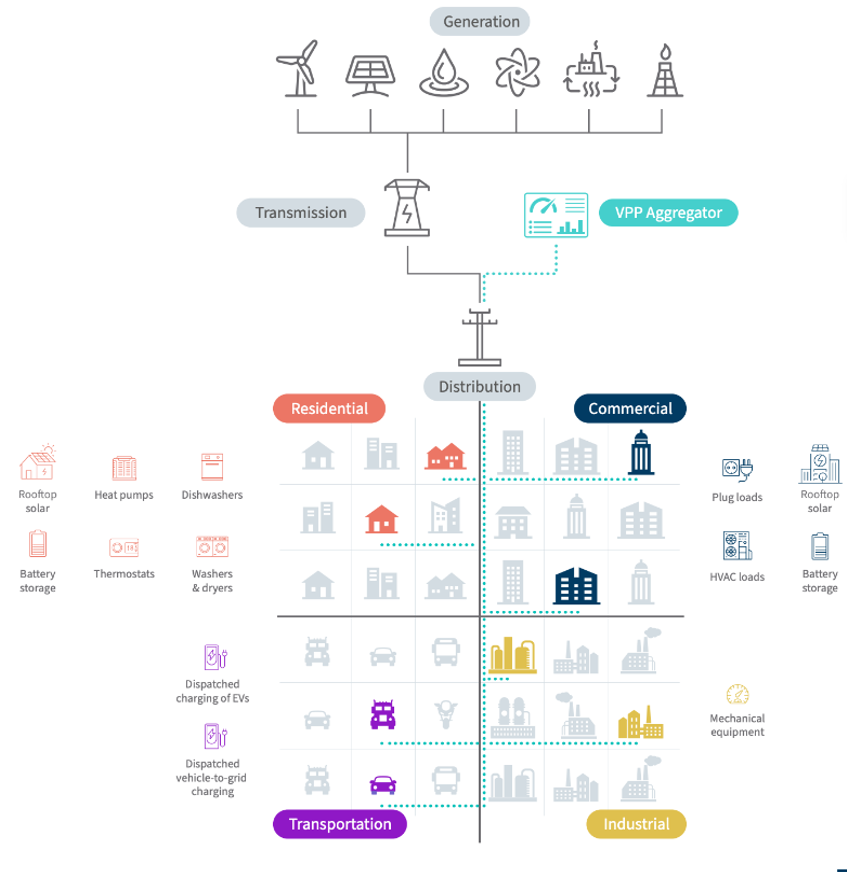
While the physical home requires preparation, the role of household technology is evolving as individual devices are increasingly expected to support wider infrastructure. Households are increasingly installing lithium-ion batteries and solar panels to shield themselves from energy price fluctuations. However, authorities, including the Australian Energy Market Operator (AEMO), have indicated that for these assets to provide maximum benefit, they must be aggregated into virtual power plants (VPPs).
A VPP functions by using software to coordinate thousands of residential batteries, smart thermostats, and electric vehicle chargers into a single, dispatchable resource. By pooling this capacity, these networks can balance supply and demand during peak periods, such as when solar generation drops at sunset. The Australian Financial Review reports that grid operators view this coordination as essential to limiting the cost of the transition to lower-carbon electricity. Without such coordination, utilities might rely on traditional fossil-fuel "peaker" plants to manage demand, which can lead to higher costs for all consumers.
Despite the potential benefits, participation in VPPs remains a subject of negotiation regarding autonomy and trust. According to research from Nemlog, many homeowners view their battery storage as a symbol of self-sufficiency. The prospect of sharing control of these private assets with retailers or tech companies can create concerns about fairness and the potential for one-sided exchanges. As reported by Forbes, California utilities have successfully tested large-scale VPPs, such as a 500-megawatt demonstration, to prevent blackouts, but scaling this technology requires millions of participants and significant software upgrades to existing grid infrastructure.
The regulatory landscape is adapting to facilitate these changes. In the United States, the Federal Energy Regulatory Commission has introduced frameworks such as Orders 745 and 2222, which allow aggregated energy resources to participate in wholesale markets. This shift enables new business models where households can receive bill credits or cash in exchange for allowing providers to manage their devices. As noted by the University of Chicago Sustainability Dialogue, these policies create diverse pathways for adoption, though widespread scaling still depends on consumer education and the simplification of participation models.
Home Safety and Energy Checklist
- Physical Security: Inspect all entry points, verify camera visibility, and set lighting on programmable timers.
- Fire Mitigation: Unplug small appliances, test carbon monoxide and smoke detectors, and avoid leaving batteries charging unattended.
- Water & Humidity: Maintain HVAC settings between 35% and 50% humidity to prevent mold and turn off main water valves for extended trips.
- Grid Contribution: Evaluate VPP programs offered by local utilities to determine if participating in automated energy sharing aligns with household resilience goals.
Looking ahead, the success of the energy transition may rely on whether the systems that manage these household resources can earn the public's confidence. As policymakers and utility operators continue to pursue higher adoption rates, the challenge remains in balancing the immediate benefits of household independence with the long-term requirement for a coordinated and reliable power grid.
How significant is this development?
Contribute your assessment to the aggregated reader sentiment ledger.
Frequently Asked Questions
Key questions answered in this reportWhat is the key development in: 10 Things Home Safety Experts Always Do Before Leaving for Vacation?
Ensure your home is secure and energy-efficient before traveling with these expert-recommended practices for property protection and grid coordination.
Why is this Business development significant for the UK?
This report covers critical events in our Business beat. Independent reporting monitors related UK statements, regulatory shifts, and public responses as further verified details emerge.
How was this reporting corroborated and verified?
Newsarchy UK compiles and cross-references reporting from primary reporting from sustainabilitydialogue.uchicago.edu and cross-checked wire reports. All coverage adheres to published editorial standards.
When was this report published?
This briefing was published on July 12, 2026 and is permanently cataloged in the Newsarchy UK Business archives.