US demands public Iranian pledge to secure Strait of Hormuz transit
The U.S. is pressuring Iran to guarantee toll-free transit through the Strait of Hormuz following the collapse of a ceasefire. Tensions remain high as global oil prices surge amid ongoing military and diplomatic friction.

- Core Development: The U.S. is pressuring Iran to guarantee toll-free transit through the Strait of Hormuz following the collapse of a ceasefire. Tensions remain high as global oil prices surge amid ongoing military and diplomatic friction.
- Beat Context: Categorized under World with independent corroboration.
- Reporting Depth: 4 minute analytical read synthesized from verified newsroom sources.
The Strait of Hormuz is currently the primary focus of escalating diplomatic and military friction as the United States formally demands a public pledge from Iran to guarantee secure, toll-free transit for international shipping. This diplomatic pressure arrives as the conflict, which began with joint U.S. And Israeli airstrikes on 28 February 2026, enters a volatile new phase following the dissolution of a ceasefire agreement.
On 10 July 2026, U.S. President Donald Trump declared the established ceasefire officially over. While stating that diplomatic talks between the two nations would continue, the President’s declaration followed a week of heightened hostilities. Earlier in that week, three commercial tankers from Qatar and Saudi Arabia were fired upon. In response, the U.S. Conducted strikes on Iranian sites, which subsequently prompted Iranian-led strikes on U.S. Military positions across Gulf states.
Media additions
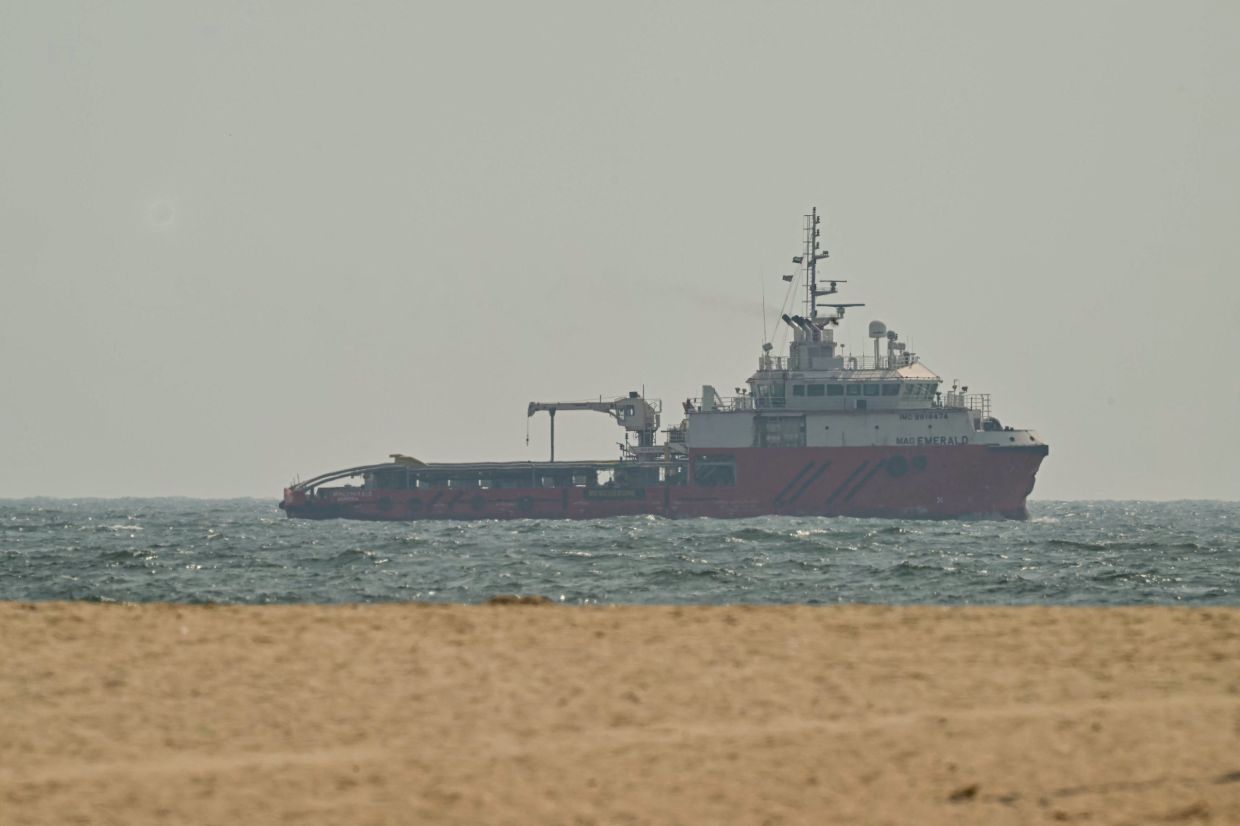

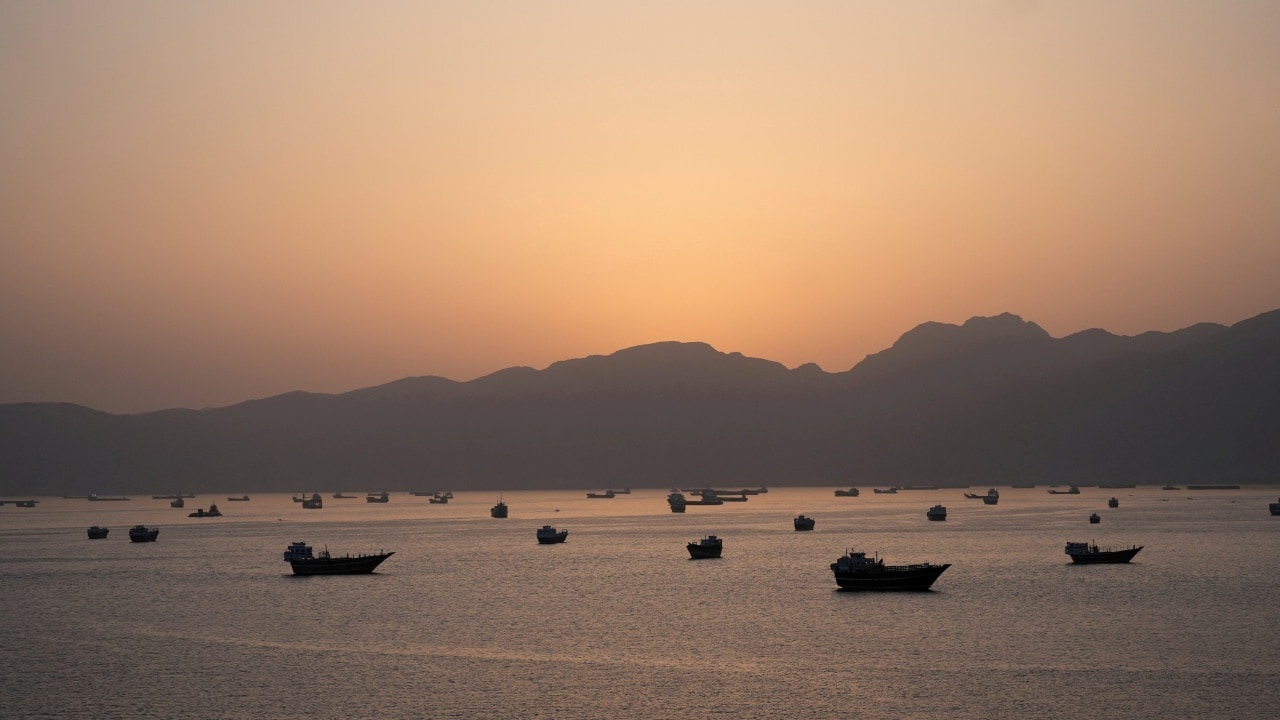
As of 12 July 2026, the status of the waterway remains highly uncertain. The Navy of Iran's Islamic Revolutionary Guard Corps (IRGC) announced that it had closed the strait "until further notice," citing the need to halt "U.S. Interference." The IRGC stated that it struck a vessel that had jeopardized maritime security by switching off its tracking systems and ignoring warnings while traveling on an "unauthorised route." The IRGC further warned that any retaliation regarding this incident would be met with a "severe response."
Diplomatic Efforts and Stalled Negotiations
Diplomatic activity remains centered in Oman, where Iranian Foreign Minister Abbas Araqchi arrived on 11 July 2026 for talks. According to official statements, these discussions focused on mechanisms for the safe passage of ships through the strait. Reports from the Omani state news agency indicated that negotiators would continue discussions at both technical and political levels. While some sources suggested that the U.S., Iran, Qatar, and Pakistan might engage in direct negotiations, Iranian sources cited by the Fars News Agency indicated that no such talks would occur until the U.S. Retreated from its current positions.
The U.S. Government maintains a firm stance on its requirements for de-escalation, explicitly demanding a guarantee that all lanes through the vital waterway remain open without the imposition of tolls. Reports circulating on 11 July regarding a potential Omani proposal suggested that free navigation could be permitted through the southern corridor in Omani waters, while vessels using the northern, Iranian-controlled corridor might be required to seek prior approval from Tehran, though without toll requirements. The White House and the U.S. State Department have not confirmed these details.
Broader Context and Rising Tensions
Before the conflict, the Strait of Hormuz accounted for one-fifth of global oil supplies. The subsequent disruption has led to a surge in energy prices, exacerbated by the U.S. Decision on 7 July 2026 to revoke the license authorizing the sale of Iranian crude. The economic impact is a matter of concern for the U.S. Administration, particularly ahead of upcoming congressional elections.
Tensions are further fueled by personal threats. On 10 July 2026, President Trump stated he had ordered the U.S. Military to be prepared to launch
This warning followed reports that Israel had shared intelligence with Washington regarding an alleged Iranian plan to assassinate the U.S. President."1000 Missiles are Locked and Loaded and aimed at the Islamic Republic of Iran, with thousands of more to immediately follow, should the Iranian Government act on its threat, pronounced in many corners of the Globe, to assassinate, or attempt to assassinate, the sitting President of the United States of America, in this case, ME!"
Donald Trump, U.S. President, via Truth Social
Meanwhile, the Iranian leadership has signaled a hardline position. A written statement issued on 11 July by the new Iranian Supreme Leader, Ayatollah Mojtaba Khamenei, vowed vengeance for the death of his predecessor, Ayatollah Ali Khamenei, who was killed on the first day of the conflict.
"We pledge to avenge the blood of the martyred leader and all the martyrs of these two wars from the criminal and disgraced killers,"
Ayatollah Mojtaba Khamenei, Supreme Leader of Iran, via written statement
What to Watch Next
- Political Talks: While negotiations continue in Oman at the technical and political levels, the effectiveness of these sessions remains contingent on whether the involved parties can reach a consensus on mutual compliance.
- Economic Volatility: Markets remain sensitive to the disruption of energy supplies. Following weeks of steady declines, crude oil prices have posted their largest weekly rise in eight weeks, creating significant pressure on global economic stability.
How significant is this development?
Contribute your assessment to the aggregated reader sentiment ledger.
Frequently Asked Questions
Key questions answered in this reportWhat is the key development in: US demands public Iranian pledge to secure Strait of Hormuz transit?
The U.S. is pressuring Iran to guarantee toll-free transit through the Strait of Hormuz following the collapse of a ceasefire. Tensions remain high as global oil prices surge amid ongoing military and diplomatic friction.
Why is this World development significant for the UK?
This report covers critical events in our World beat. Independent reporting monitors related UK statements, regulatory shifts, and public responses as further verified details emerge.
How was this reporting corroborated and verified?
Newsarchy UK compiles and cross-references reporting from primary reporting from cbc.ca and cross-checked wire reports. All coverage adheres to published editorial standards.
When was this report published?
This briefing was published on July 12, 2026 and is permanently cataloged in the Newsarchy UK World archives.