Meta expands AI age verification globally on Instagram to protect teens
Meta is rolling out its AI-powered age estimation technology globally on Instagram to automatically migrate misregistered teens into restricted safety accounts.

Meta is expanding its artificial intelligence-driven age estimation technology globally on Instagram to capture teenage users who registered with adult birth dates and automatically migrate them into restricted Teen Accounts, amid mounting regulatory and legal pressure worldwide.
The global rollout, announced on Monday, 9 November 2026, builds on previous deployments in markets such as the United States, the European Union, and Brazil, according to reporting by Medianama. Under the updated system, Meta's automated models scan accounts for contextual clues like birthday celebrations or school grade mentions in bios, posts, comments, and captions. According to Notebookcheck, the technology also applies visual analysis to photos and videos — though the company emphasizes that this process does not use facial recognition or create biometric profiles.
Media additions
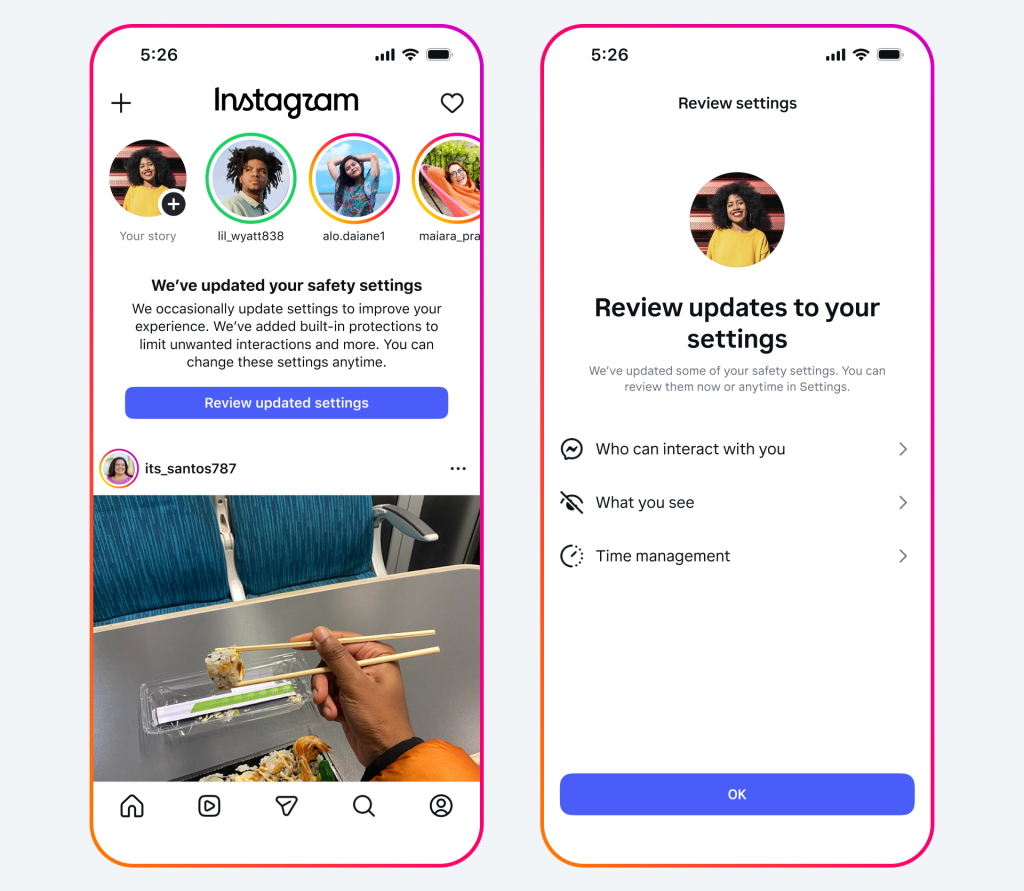

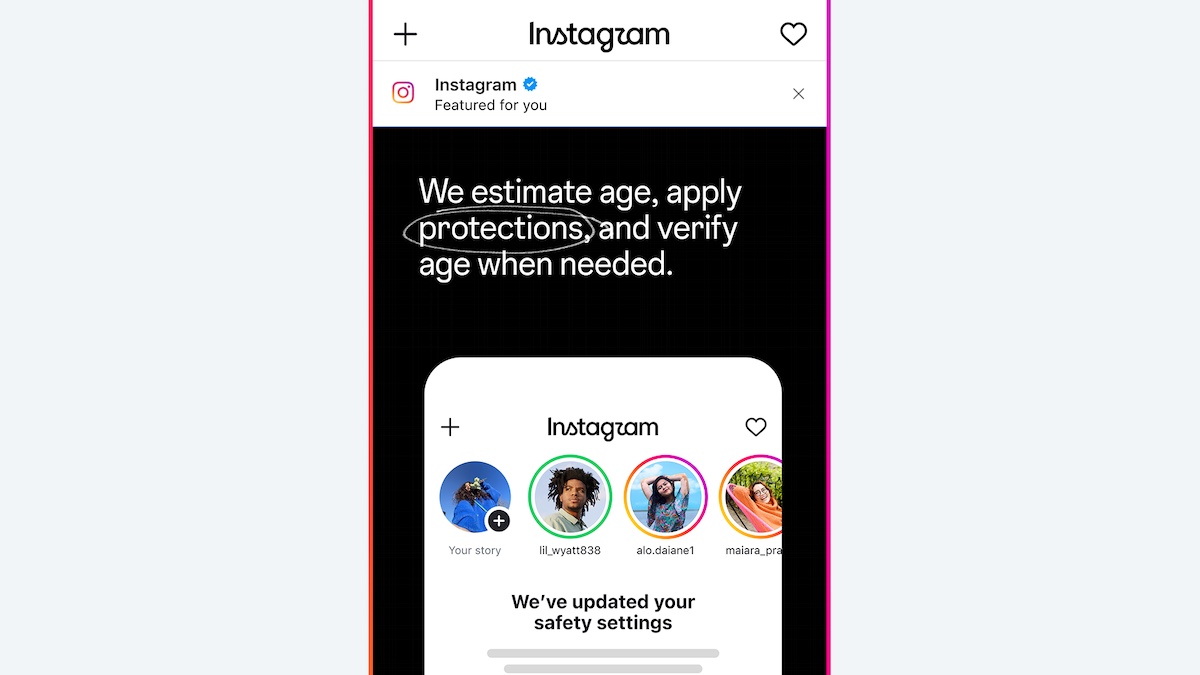
Once an account is flagged by the system as belonging to a user aged 13 to 17, it is placed under built-in safeguards. These protections restrict incoming direct messages, limit sensitive content on Explore and Reels, enforce default privacy settings, and incorporate daily time limits alongside parental supervision tools. Accounts belonging to users identified as under 13 — the minimum age permitted across Meta's platforms, are targeted for removal.
The worldwide deployment extends beyond Instagram. Meta is continuing to roll out the technology on Facebook and plans to introduce a similar global launch on Threads later in the year, as outlined by Techbooky. Meanwhile, regional adjustments accompany the broader release. In Australia, Meta has begun voluntarily integrating Apple's device-level age-range signal, which shares verified age categories when parents set up new smartphones, as reported by BusinessLine. In the United States, parents are receiving in-feed notifications and video resources this month, featuring an explanatory article by internet safety advocate Larry Magid.
Industry observers and academic experts have raised questions regarding the privacy implications and overall reliability of automated age estimation. Sonia Livingstone, a professor at the London School of Economics and director of the Digital Futures for Children Centre, told Al Jazeera that Meta has yet to provide clear evidence that its tools successfully prevent underage access or accurately capture teens without infringing on user privacy. Livingstone noted that age assurance mechanisms inherently pose privacy risks for all account holders, particularly in the absence of independent audits.
| Platform / Service | Rollout Status | Key Safety Controls |
|---|---|---|
| Global rollout active as of November 2026 | Private default, restricted DMs, sensitive content limits, time management | |
| Ongoing deployment across markets | Teen Account protections and Messenger integration | |
| Threads | Global launch planned for later in 2026 | Standardized age-appropriate safeguards |
The global expansion arrives directly in the wake of significant legal and regulatory actions against the tech giant. In August, Meta reached settlements worth up to $18 billion with nearly every U.S. State and territory, resolving lawsuits brought by attorneys general over allegations that its applications contributed to youth addiction and mental health struggles. Those agreements included specific commitments to strengthen age-detection mechanisms. Meta has also faced substantial penalties in domestic courtrooms, including a New Mexico ruling and a Los Angeles trial involving young plaintiffs, alongside sweeping international measures such as Australia's minimum age threshold for social media accounts.
Amid these challenges, Meta has urged industry peers, specifically naming TikTok and YouTube, to adopt uniform age-verification protocols. The company continues to lobby for legislation that shifts age-verification duties to operating system app stores, arguing that a centralized, device-level verification signal shared consistently across apps is more effective than requiring individual developers to collect sensitive identity documents.
What happens next will depend on the transparency of Meta's appeals process for users incorrectly flagged as minors, independent evaluation of the system's error rates, and whether competing platforms and app marketplaces adopt aligned verification standards in the coming months.