Novo
Novo Nordisk filed a lawsuit against Eli Lilly, claiming the rival firm uses outdated clinical data in its advertisements to misrepresent its obesity drugs.
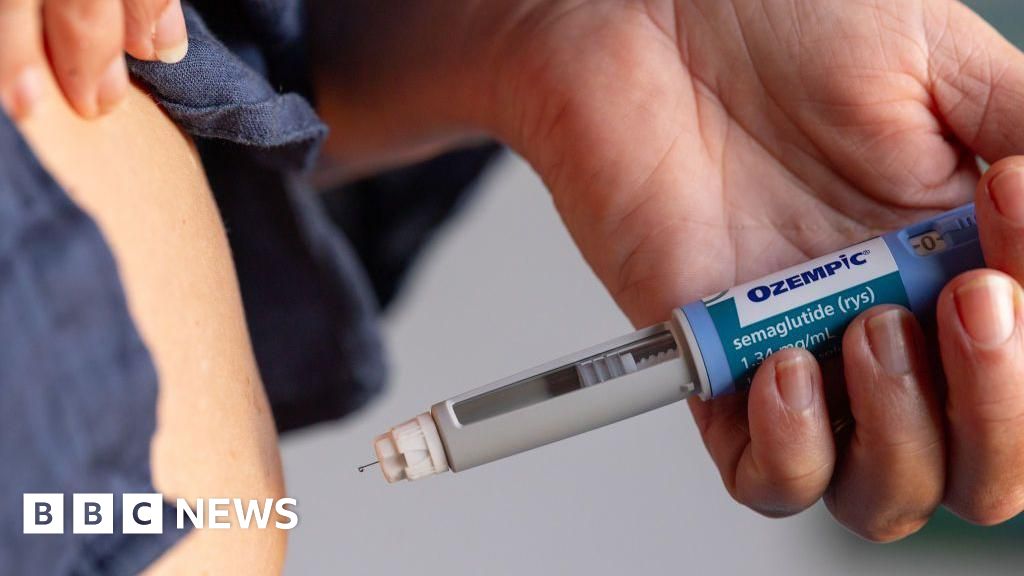
- Core Development: Novo Nordisk filed a lawsuit against Eli Lilly, claiming the rival firm uses outdated clinical data in its advertisements to misrepresent its obesity drugs.
- Beat Context: Categorized under Business with independent corroboration.
- Reporting Depth: 4 minute analytical read synthesized from verified newsroom sources.
Novo Nordisk sues Eli Lilly over alleged false weight‑loss drug ads
On Tuesday 21 July 2026, Novo Nordisk filed a U.S. Federal lawsuit accusing rival Eli Lilly of misleading advertising that suggests its GLP‑1 medicines outperform Novo’s obesity treatments. The case arrives as both companies race to dominate a U.S. Market projected to exceed $100 billion by 2030, and the outcome could shape how pharmaceutical claims are screened on national TV and social media.
At the heart of the dispute is how each company presents dose comparisons. Novo says Lilly’s ads pit its highest approved doses of Mounjaro (for type‑2 diabetes) and Zepbound (for obesity) against lower, older doses of Novo’s own Wegovy and Ozempic, while ignoring Novo’s newer, higher‑dose versions that deliver stronger weight‑loss results. BBC News reports the Danish firm is asking a New Jersey court to order the removal of the ads and replace them with “corrective” messaging.
Media additions
What the ads compare
| Company | Drug (indication) | Highest dose shown in ads | Dosage Novo says was omitted |
|---|---|---|---|
| Eli Lilly | Mounjaro (diabetes) | Highest approved dose | New 7.2 mg weekly dose of Wegovy |
| Eli Lilly | Zepbound (obesity) | Highest approved dose | Recent higher‑dose Wegovy formulation |
| Novo Nordisk | Ozempic (diabetes) | Original approved dose | Higher‑dose version of Ozempic not referenced |
| Novo Nordisk | Wegovy (obesity) | Original approved dose | 7.2 mg weekly dose approved in March 2026 |
Novos’ claim is that the ads “intentionally selected outdated studies” and “deceptively presented” Lilly’s products as superior, while “burying or omitting critical clinical context,” the company said in its filing at Devdiscourse.
“It is truthful, it is transparent, and it is grounded in the most direct scientific evidence available – exactly what patients deserve. We will continue to focus on the science and defend against this lawsuit vigorously,”
Eli Lilly spokesperson, via BBC
Lilly’s defence leans on the Surmount‑5 head‑to‑head trial, which compared a 2.4 mg dose of Wegovy with Zepbound and found a lower relative weight‑loss result for Wegovy. The company calls that trial “the gold standard” for direct comparison, saying the ad campaign simply reflects those findings Biopharma Dive reports.
John F. Kuckelman, senior vice‑president and group general counsel for Novo Nordisk, urged courts to intervene.
“As new and more effective treatment options become available, people deserve accurate information that reflects the latest scientific evidence and helps them make informed care decisions.”
John F. Kuckelman, senior vice president and group general counsel, Novo Nordisk, via BBC
He added that “ineffective, fine‑print disclaimers do not fix the misleading impression created by major national campaigns.”
Legal angles and next steps
The complaint invokes the Lanham Act, which governs false advertising and unfair competition in the United States. Novo seeks an injunction that would force Lilly to pull the current ads and to run corrective messaging that reflects “the latest scientific evidence.” If Lilly does not comply voluntarily, Novo says it will file a motion for a preliminary injunction within days, according to the Devdiscourse report.
Lilly, for its part, argues that Novo is trying to suppress its ability to “communicate the results of a comparison trial” that it deems robust. The company’s statement claims the lawsuit attempts to silence legitimate scientific discourse.
Both firms saw only modest movement in share prices after the filing, suggesting investors view the case as a tactical battle rather than a decisive market shift. Nonetheless, the litigation could set a precedent for how aggressively pharmaceutical companies can challenge each other’s marketing, especially as GLP‑1 drugs become household names.
What to watch next
- Preliminary injunction hearing: Expected within the next two weeks, where a judge will decide whether to temporarily halt Lilly’s ads.
- Potential corrective campaign: If the court orders it, Novo may launch its own ads to clarify dose comparisons.
- Regulatory response: The Federal Trade Commission and state consumer‑protection agencies may weigh in, given the lawsuit cites violations of both federal and state laws.
- Additional head‑to‑head data: Both companies have hinted at forthcoming trials that could provide clearer direct comparisons of their highest approved doses.
For readers following the broader fight over obesity‑treatment marketing, the case underscores how quickly new dosage options can reshape the competitive narrative. Novo’s higher‑dose Wegovy, approved in March 2026, promises greater weight‑loss outcomes than earlier formulations, but those advantages will only translate into market share if advertising accurately reflects the data. Eli Lilly’s strategy of highlighting the Surmount‑5 trial, meanwhile, relies on a single head‑to‑head study that does not include the latest Novo dose.
Whether courts side with Novo’s demand for “corrective” advertising or uphold Lilly’s use of existing trial data will influence not just the two companies but the entire GLP‑1 market. As the industry eyes a $100 billion horizon, the legal battle could become a template for future disputes over how new drug strengths are presented to patients and prescribers alike.
Follow the unfolding case in our Business coverage for updates on court filings, regulatory commentary, and the impact on stock performance.
How significant is this development?
Contribute your assessment to the aggregated reader sentiment ledger.
Frequently Asked Questions
Key questions answered in this reportWhat is the key development in: Novo?
Novo Nordisk filed a lawsuit against Eli Lilly, claiming the rival firm uses outdated clinical data in its advertisements to misrepresent its obesity drugs.
Why is this Business development significant for the UK?
This report covers critical events in our Business beat. Independent reporting monitors related UK statements, regulatory shifts, and public responses as further verified details emerge.
How was this reporting corroborated and verified?
Newsarchy UK compiles and cross-references reporting from primary reporting from bbc.com and cross-checked wire reports. All coverage adheres to published editorial standards.
When was this report published?
This briefing was published on July 21, 2026 and is permanently cataloged in the Newsarchy UK Business archives.