Oil Prices Slide as Traders Bet on Iran Diplomacy
Crude oil benchmarks fell to their lowest level in over a week as traders priced in diplomatic hopes despite ongoing Middle East tensions.

- Core Development: Crude oil benchmarks fell to their lowest level in over a week as traders priced in diplomatic hopes despite ongoing Middle East tensions.
- Beat Context: Categorized under Business with independent corroboration.
- Reporting Depth: 4 minute analytical read synthesized from verified newsroom sources.
Crude oil prices slid at the start of the week, moving down to their lowest level in more than a week as traders pinned their hopes on a diplomatic resolution to the conflict in the Middle East. According to reporting from primary financial sources, Brent crude and West Texas Intermediate retreated even in the absence of concrete evidence showing a willingness for negotiations on either side. Markets weighed competing signals, balancing fresh threats between Washington and Tehran against improving logistical flows through vital shipping chokepoints.
The downward price movement extended a multi-day slide across global energy markets. European Business Magazine noted that both main benchmarks touched their lowest points since earlier in the month, with market analysts cautioning that traders were rapidly removing a portion of the accumulated risk premium. Tim Waterer, chief market analyst at KCM Trade, observed that the market was pricing in the possibility of a diplomatic path to de-escalation surrounding upcoming United Nations meetings, while noting that whether those hopes prove warranted remains an open question, as reported by Reuters.
Media additions
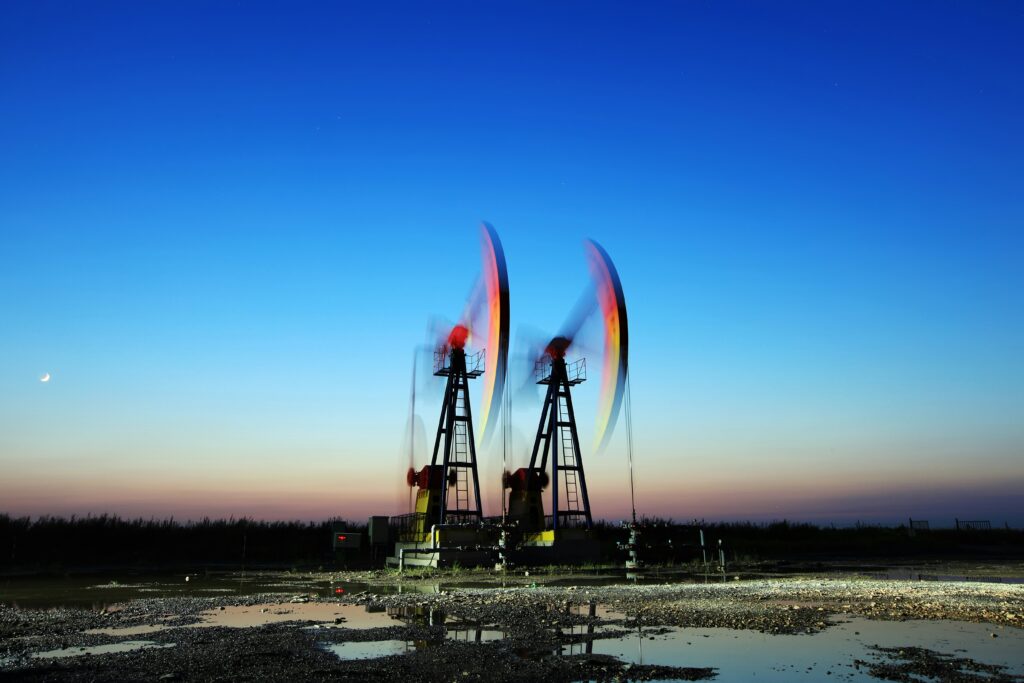
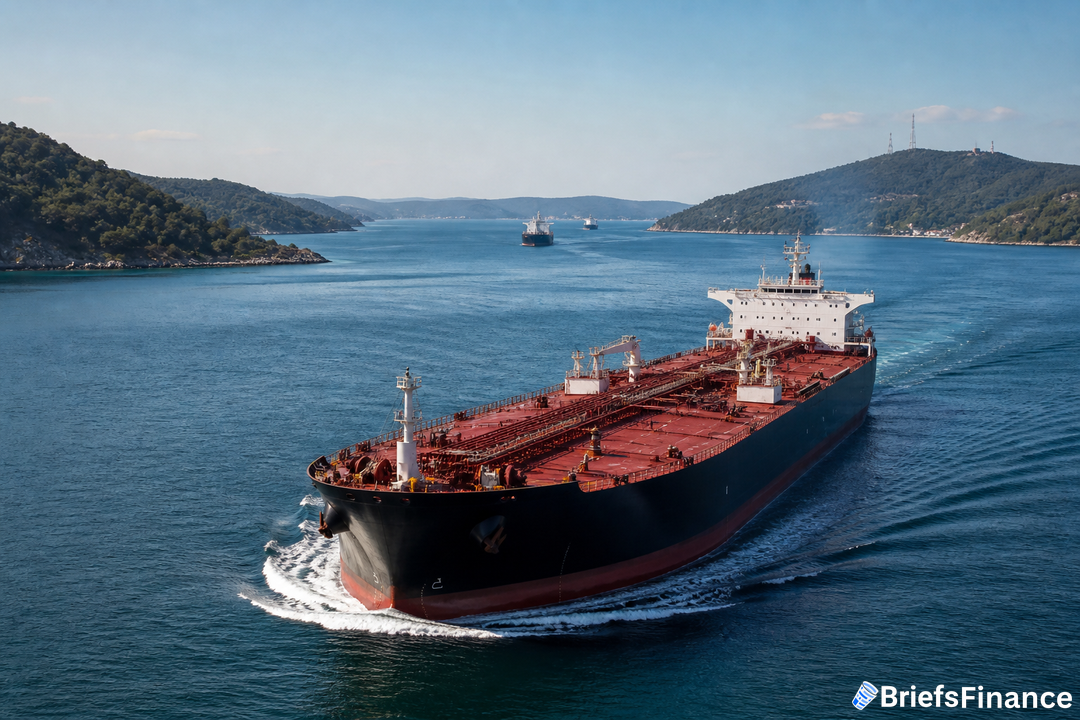

This sentiment-driven pullback occurred despite active military and security flashpoints across the region. As reported by Briefs, Yemen's Iran-backed Houthi movement struck sensitive targets in the Saudi capital of Riyadh alongside export facilities, while Saudi Aramco faced temporary disruptions. Nevertheless, physical supply conditions showed tangible signs of recovery. JP Morgan noted that Saudi Arabia managed to redirect its oil flows, achieving a daily export rate via the Strait of Hormuz of 2.9 million barrels over the preceding week, a substantial recovery from lower figures recorded in August.
The divergence between physical realities and paper trading futures has been a central theme for market observers. Energy News Beat examined how speculative futures contracts reacted sharply to optimistic headlines regarding potential peace talks, while physical delivery prices and spot benchmarks demonstrated distinct lag effects. Analysts point out that historical precedents during the conflict have seen futures enter steep backwardation, where near-term contracts command significant premiums over later months due to acute fears of immediate supply shortages.
| Crude Benchmark | Reported Price Level | Direction / Change |
|---|---|---|
| Brent Crude | $102.05 / $101.71 | Declining (~2.08% to 2.4%) |
| West Texas Intermediate (WTI) | $98.50 / $98.15 | Declining (~2.14% to 2.4%) |
Broader financial markets also registered the shockwaves of the energy sector's volatility. According to TradingView reporting on equity reactions, Wall Street indices faced downward pressure earlier as prior oil surges heightened inflation worries, leading to broader selloffs across technology and industrial sectors. Meanwhile, additional commentary highlighted that ongoing geopolitical friction continues to impact economic growth paths and monetary policy expectations globally.
Market participants are now closely monitoring upcoming contract expirations and official diplomatic communications to see if paper trading valuations will fully align with physical delivery realities. As detailed in our broader business coverage, any sudden backtracking by regional actors or renewed disruptions in key shipping lanes could quickly reverse the recent price relief.
Further complicating the geopolitical matrix, diplomatic channels have seen unusual multilateral engagement. European Business Magazine reported that China was asked by Saudi Arabia to help restrain the Houthis following attacks on Riyadh, introducing a new diplomatic layer to energy security dynamics. Simultaneously, U.S. Central Command leadership, including Admiral Brad Cooper, noted that shipments of crude and liquefied natural gas moving through the Strait of Hormuz reached a six-month high over a recent two-week period, with primary shipping lanes cleared of mines and allies moving substantial volumes through the corridor.
Despite these flows, energy analysts remain divided on whether sentiment has outpaced ground realities. Guotai Junan Futures senior oil analyst Xuyi Zhao pointed out that the market is transitioning from deteriorating supply conditions to a stage where the worst of the crunch may have passed, though a lasting downtrend requires firmer foundations. Tanker operators and shipping executives, including representatives from major maritime fleets, have cautioned that commercial confidence will take considerable time to recover fully, noting that crews and insurers require material safety guarantees beyond high-level diplomatic frameworks before resuming normal transit schedules.
As the situation develops, market participants continue to watch for concrete outcomes from scheduled diplomatic summits and official announcements regarding transport corridors. Any disruption to the tentative logistical recovery or a breakdown in talks between Washington and Tehran risks reviving the geopolitical risk premium that traders have started to unwind.
How significant is this development?
Contribute your assessment to the aggregated reader sentiment ledger.
Frequently Asked Questions
Key questions answered in this reportWhat is the key development in: Oil Prices Slide as Traders Bet on Iran Diplomacy?
Crude oil benchmarks fell to their lowest level in over a week as traders priced in diplomatic hopes despite ongoing Middle East tensions.
Why is this Business development significant for the UK?
This report covers critical events in our Business beat. Independent reporting monitors related UK statements, regulatory shifts, and public responses as further verified details emerge.
How was this reporting corroborated and verified?
Newsarchy UK compiles and cross-references reporting from primary reporting from Energy News Beat and cross-checked wire reports. All coverage adheres to published editorial standards.
When was this report published?
This briefing was published on September 21, 2026 and is permanently cataloged in the Newsarchy UK Business archives.