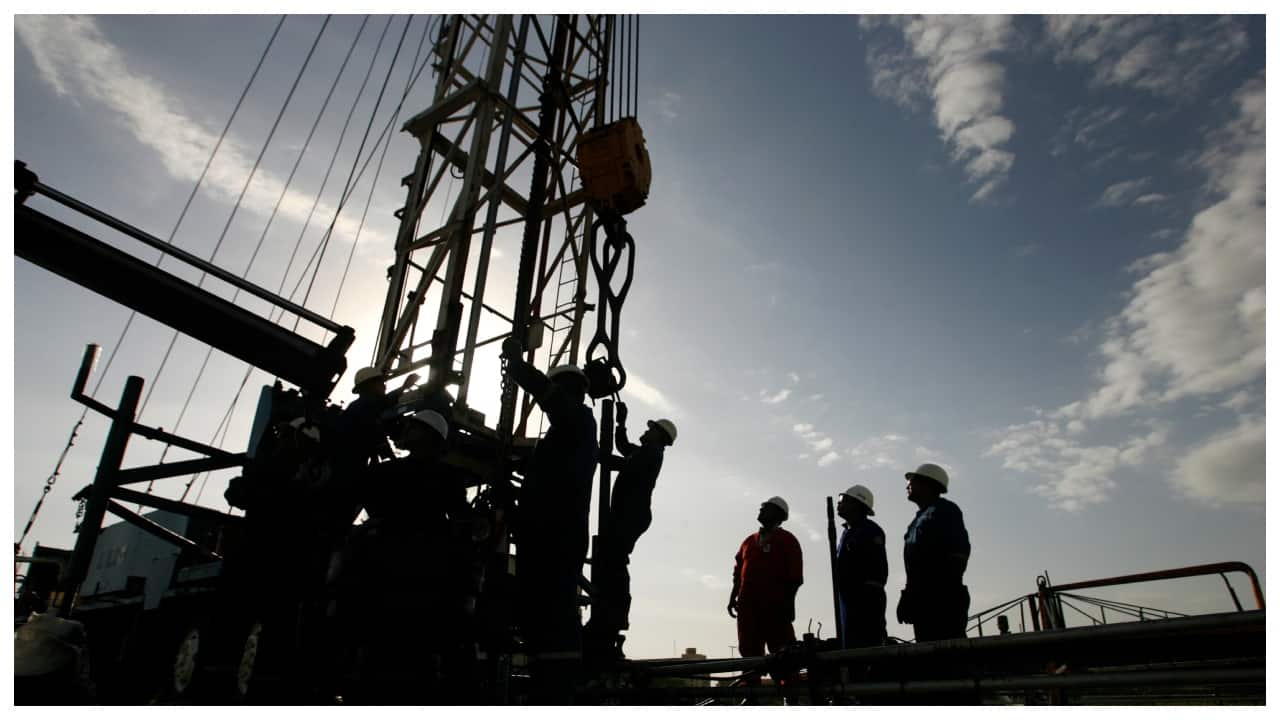
Oil slips as Middle East crude exports rise, G7 to release stocks
Oil prices dipped as Middle Eastern crude exports rebounded toward pre-war volumes and the G7 prepared to release emergency reserves.

- Core Development: Oil prices dipped as Middle Eastern crude exports rebounded toward pre-war volumes and the G7 prepared to release emergency reserves.
- Beat Context: Categorized under Business with independent corroboration.
- Reporting Depth: 4 minute analytical read synthesized from verified newsroom sources.
Global crude markets experienced a downward shift as rising oil exports from the Middle East combined with an imminent release of emergency reserves from Group of Seven nations to add fresh supplies, according to reporting by Cnbc.
Global crude markets faced downward pressure on Monday, 5 October 2026, as rising oil exports from the Middle East and a release of emergency reserves from Group of Seven nations added fresh supplies to the system. According to CNBC, Brent crude futures fell 35 cents, or 0.34%, to $101.90 a barrel by 0115 GMT, while US West Texas Intermediate crude sat at $90.49 a barrel, down 62 cents, or 0.68%. Brent gave up the majority of its gains from the previous week, and WTI retreated after G7 countries agreed on Friday to release 100 million barrels of diesel and crude from emergency reserves. The coalition also pledged to refrain from energy export restrictions following pressure from US President Donald Trump.
Media additions


Parallel to the strategic reserve releases, maritime and commodity analytics indicate a remarkable rebound in physical shipments from the Persian Gulf. According to estimates from Finance and Yahoo Finance, JPMorgan analysts led by Natasha Kaneva noted that Middle Eastern crude exports have rebounded to reach 17.5 million barrels a day, or 98% of pre-war levels. Goldman Sachs offered an even higher estimate when factoring in concealed transport methods, suggesting that regional exports have returned to 23.3 million barrels per day, roughly in line with 2025 averages.
The operational recovery has been heavily aided by alternative transport routes bypassing the chokepoint of the Strait of Hormuz. Saudi Arabia restored significant flows through its East-West pipeline to the Red Sea port of Yanbu — recovering roughly half of its transport capacity after halting operations following an attack on September 11 — while the United Arab Emirates utilized its bypass routes to Fujairah. Nevertheless, shipping analysts caution that the rising export volumes reflect the resilience and adaptability of the oil industry under extreme duress rather than a fundamental resolution of underlying geopolitical perils.
| Analyst / Institution | Estimated Export / Volume Metric | Observed Recovery Status |
|---|---|---|
| JPMorgan Chase & Co. | 17.5 million barrels per day | 98% of pre-war levels for crude |
| Goldman Sachs Group | 23.3 million barrels per day (including dark flows) | In line with 2025 averages |
| International Energy Agency | Gulf flows up by 6.5 million barrels per day in June post-ceasefire | Crude recovering faster than refined products |
Despite the positive momentum in crude supply, severe bottlenecks persist within the refined product sector. As highlighted by Crude Oil Prices Today | OilPrice.com, regional refining capacity in the Persian Gulf suffered major disruptions due to infrastructure damage and conflict impacts. The International Energy Agency noted that while Middle East producers exported 3.3 million barrels per day of refined products in 2025, as much as 3 million barrels per day of refining capacity has been unavailable since the conflict began. JPMorgan data indicates that refined product transport volumes, encompassing diesel and gasoline, stand at just 3 million barrels per day, approximately 58% of pre-war performance, keeping product markets tight on a global scale.
Saudi Aramco unexpectedly cut its November crude oil prices for Asian buyers to multi-year lows, a move aimed at securing market share in Asia even as regional producers navigate ongoing security incidents. Among these, the Houthis reported launching ballistic missiles and drones at Saudi Aramco sites in Riyadh and the Khurais area in response to 50 Saudi-led air and missile strikes in Yemen over a 12-hour period, though there was no official confirmation from Saudi Arabia. Meanwhile, Yemen's Saudi-backed, internationally recognized government announced a major military campaign to recapture all areas controlled by the Iran-backed Houthis.
Market observers and institutional forecasters anticipate that while the immediate risk premium is receding due to G7 interventions and pipeline resumptions, price volatility will remain a fixture of the energy sector. OPEC+ delegates indicated that key members plan to hold production quotas steady during their upcoming meetings, while the group delayed a review that would determine 2027 output quotas due to conflict-disrupted projects across the Middle East. Goldman Sachs projects Brent crude prices to adjust toward year-end targets of $85 per barrel, and further decline to $80 in 2027, depending on inventory drawdowns and geopolitical stability.
What happens next depends heavily on whether the fragile security environment holds and whether regional infrastructure can sustain its operational output. The G7 stock releases will continue rolling out to provide immediate price relief ahead of the November midterm elections in the United States, while shipping lines and insurance underwriters monitor ongoing risks in the Strait of Hormuz. Observers will also watch upcoming diplomatic engagements, OPEC+ quota ratifications, and potential updates from the International Energy Agency regarding whether refining bottlenecks can clear before the end of the year.
How significant is this development?
Contribute your assessment to the aggregated reader sentiment ledger.
Frequently Asked Questions
Key questions answered in this reportWhat is the key development in: Oil slips as Middle East crude exports rise, G7 to release stocks?
Oil prices dipped as Middle Eastern crude exports rebounded toward pre-war volumes and the G7 prepared to release emergency reserves.
Why is this Business development significant for the UK?
This report covers critical events in our Business beat. Independent reporting monitors related UK statements, regulatory shifts, and public responses as further verified details emerge.
How was this reporting corroborated and verified?
Newsarchy UK compiles and cross-references reporting from primary reporting from finance.biggo.com and cross-checked wire reports. All coverage adheres to published editorial standards.
When was this report published?
This briefing was published on October 5, 2026 and is permanently cataloged in the Newsarchy UK Business archives.