Sensex tanks 493 points; Nifty falls sixth day as crude jumps to $91
Indian equity markets faced a sharp sell-off as crude oil prices climbed to $91 a barrel following renewed Middle East conflicts and U.S.-Iran tensions.

- Core Development: Indian equity markets faced a sharp sell-off as crude oil prices climbed to $91 a barrel following renewed Middle East conflicts and U.S.-Iran tensions.
- Beat Context: Categorized under Business with independent corroboration.
- Reporting Depth: 4 minute analytical read synthesized from verified newsroom sources.
On Tuesday, the Sensex fell 493 points while the Nifty slid 132.75 points, a continuation of a six‑day losing streak. The decline was driven by a sharp rise in crude prices, which climbed to $91 a barrel, a level that has been sustained since the outbreak of renewed hostilities in the Middle East. The spike was underpinned by fresh U.S. Strikes on Iranian targets, an escalation of Houthi attacks in the Red Sea, and a hardening of U.S.–Iran talks over the Strait of Hormuz.
Indian market sentiment mirrored the global risk environment. The BSE Sensex fell 493.8 points, settling at 77,234.36, while the NSE Nifty ended at 24,154.90, a 132.75‑point decline. Sectoral indices reflected a broad sell‑off: IT fell 1.84 %, PSU banks 1.04 %, and consumer durables 0.81 %. Shares of Tata Group giants – Tata Motors, Tata Chemicals, Tata Steel and others – slipped between 1 % and 2 %, underscoring the weight of global risk sentiment on domestic names.
Media additions


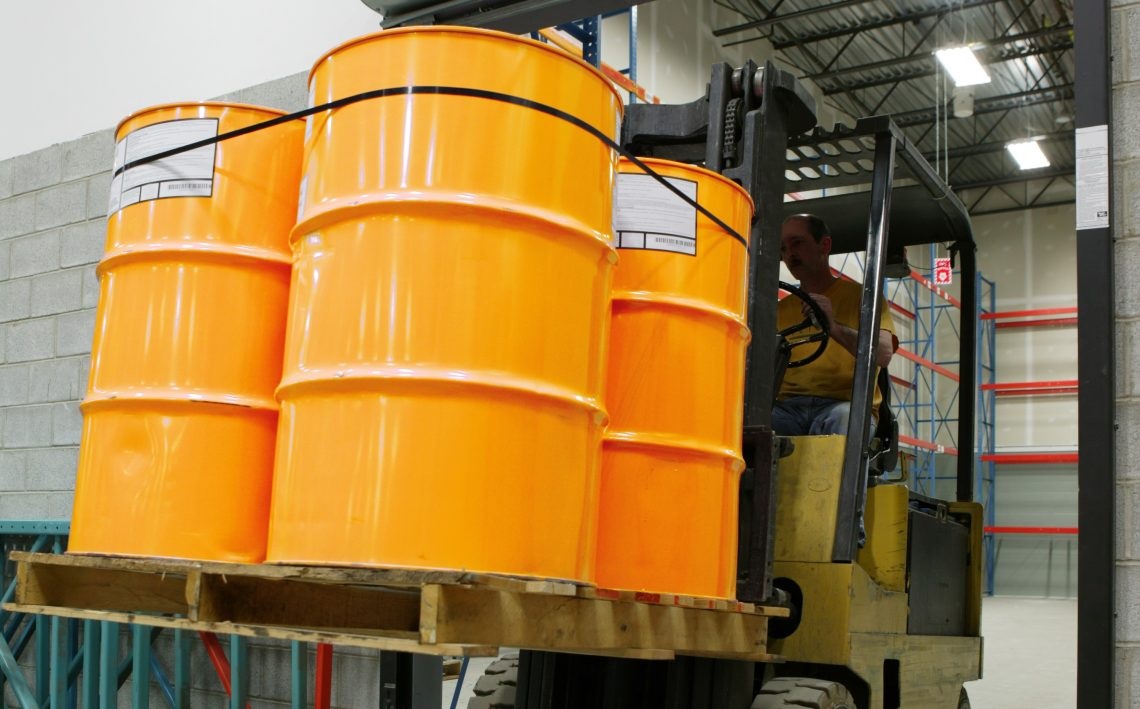
Crude oil prices have been the linchpin of the market reaction. Brent futures traded at $91.02 per barrel, a level that has been sustained since the U.S. And Israel launched fresh strikes on Iranian targets. West Texas Intermediate (WTI) hovered around $93, in line with the OilPrice.com report that WTI was $90.51 and Brent $96.34 earlier in the week. The surge, which has been more than 4 % in several reports, reflects the compounded risk of a potential blockade of the Strait of Hormuz, a route that carries one‑fifth of the world’s oil and liquefied natural gas supplies.
| Benchmark | Price (USD) | Change |
|---|---|---|
| Brent | $91.02 | +0.17 % |
| WTI | $93.96 | +1.95 % |
| 10‑year Treasury yield | 4.562 % | +2.6 bp |
| OPEC+ output increase | 188,000 bpd | +188,000 bpd |
The geopolitical backdrop has intensified. In late August, the U.S. And Iran exchanged new demands over the reopening of the Strait of Hormuz, as reported by Al Jazeera. President Donald Trump demanded compensation for past conflicts, while Iranian officials insisted that the U.S. Meet a set of conditions before the strait could be reopened. Analysts warned that such hardening could stall any broader peace deal until the Hormuz issue is resolved.
Concurrently, Houthi forces in Yemen intensified attacks on shipping lanes. The RNZ account noted that a vessel struck by a projectile in the Strait of Hormuz forced a crew evacuation, and that the strait’s traffic fell to a single digit per day over the weekend. Saudi Arabia’s East‑West pipeline, a critical alternative route, was temporarily shut after drone attacks, but the kingdom is working to restore it, as highlighted by the OilPrice.com article that described the pipeline’s capacity and the impact of its outage on global flows.
OPEC+ has responded to the supply shock by raising its production quota by 188,000 barrels per day for July, a move that, according to the Tekedia report, will have a muted effect until the Strait of Hormuz reopens. The group’s decision comes amid a broader debate over whether the increased output will materially ease the tightened supply caused by shipping disruptions.
The U.S. Treasury market has also been volatile. The 10‑year yield rose to 4.562 %, while the 2‑year and 30‑year yields were 4.174 % and 5.02 % respectively, as noted in the Tekedia coverage. The dollar has strengthened, trading near its highest level in two months, which has further pressured oil prices given the commodity’s dollar denominated nature.
Indian investors have reacted to the confluence of rising oil prices and higher U.S. Yields by tightening risk. The Nifty’s IT sector, which had been a drag, fell 1.84 %, and the overall index declined 0.55 %. Foreign institutional investors offloaded equity worth ₹2,535.10 crore, according to exchange data. The market’s sentiment has thus shifted from a risk‑on stance to a risk‑off position, mirroring the global mood.
Looking ahead, several developments loom. The U.S. Treasury will continue to monitor yield movements, while the U.S.–Iran talks over the Strait of Hormuz will likely determine whether shipping disruptions ease or worsen. Meanwhile, Houthi activity in the Red Sea could further constrain Saudi exports, adding another layer of risk to the market.
In the weeks ahead, traders and investors will be watching for:
- Any shift in U.S. Treasury yields that could alter the risk appetite.
- Updates from the U.S. And Iran on the Hormuz reopening agreement.
- Houthi attacks or ceasefire developments that could affect Red Sea shipping.
- OPEC+ output changes and their impact on global supply.
Until those variables converge, the Indian markets will likely remain in a defensive posture, with oil price volatility continuing to weigh on equity valuations and investor sentiment.
How significant is this development?
Contribute your assessment to the aggregated reader sentiment ledger.
Frequently Asked Questions
Key questions answered in this reportWhat is the key development in: Sensex tanks 493 points; Nifty falls sixth day as crude jumps to $91?
Indian equity markets faced a sharp sell-off as crude oil prices climbed to $91 a barrel following renewed Middle East conflicts and U.S.-Iran tensions.
Why is this Business development significant for the UK?
This report covers critical events in our Business beat. Independent reporting monitors related UK statements, regulatory shifts, and public responses as further verified details emerge.
How was this reporting corroborated and verified?
Newsarchy UK compiles and cross-references reporting from primary reporting from TradingNEWS and cross-checked wire reports. All coverage adheres to published editorial standards.
When was this report published?
This briefing was published on September 24, 2026 and is permanently cataloged in the Newsarchy UK Business archives.