Solar experts debate benefits and hurdles of car park energy projects
Solar canopies over parking infrastructure are being explored as a method to generate renewable energy near high-demand areas. This approach faces various economic and logistical hurdles, alongside ongoing discussions regarding policy and grid integration.
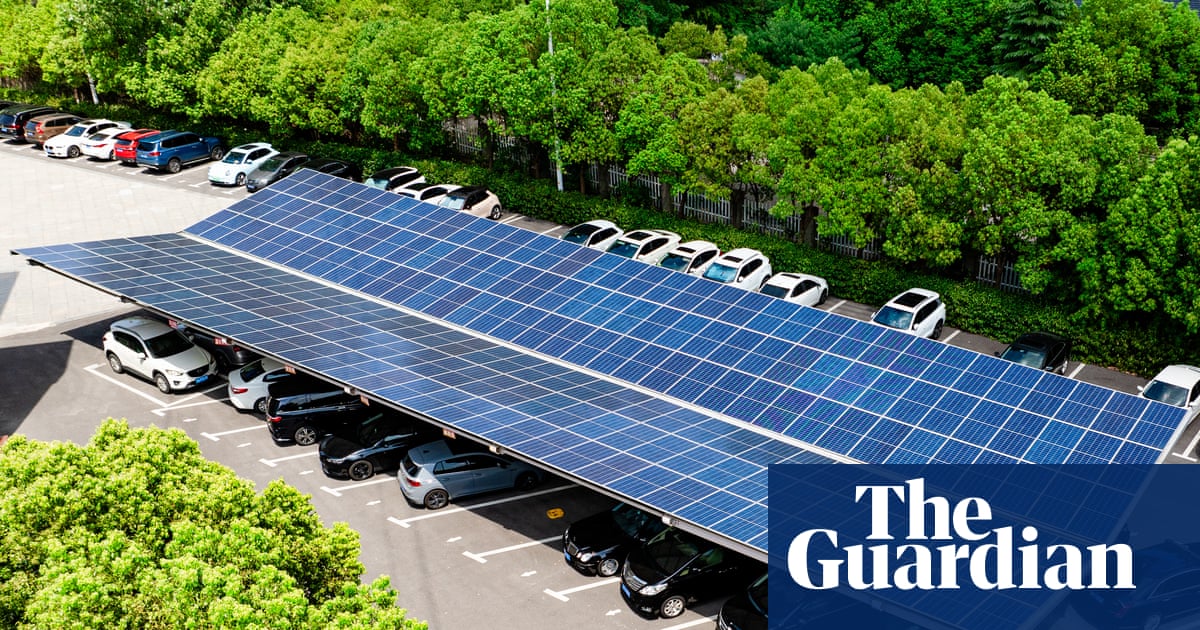
- Core Development: Solar canopies over parking infrastructure are being explored as a method to generate renewable energy near high-demand areas. This approach faces various economic and logistical hurdles, alongside ongoing discussions regarding policy and grid integration.
- Beat Context: Categorized under Business with independent corroboration.
- Reporting Depth: 3 minute analytical read synthesized from verified newsroom sources.
The movement to install solar canopies over existing parking infrastructure is gathering momentum as businesses, developers, and policymakers seek to expand renewable energy production without relying exclusively on greenfield sites. While solar farms on open land remain a common method for utility-scale generation, utilizing underused car park space has moved to the forefront of the national conversation regarding land use and energy independence.
Proponents describe solar canopies as a beneficial strategy. By covering asphalt — which often serves as a heat-absorbing surface — these structures generate electricity near high-demand urban centers, such as shopping malls, hospitals, and office complexes. Beyond power generation, the canopies provide shade that protects vehicles from weather, potentially extending their lifespan, and can integrate directly with electric vehicle charging infrastructure to support the rising demand for transport electrification.
Media additions


The cost of progress
Despite the functional appeal, the deployment of solar car parks faces distinct economic and logistical challenges compared to traditional ground-mounted solar. Constructing a canopy requires substantial steel structural support and concrete foundations. Developers and landowners often contend with complex zoning regulations and building codes that vary by region. Financial hurdles also persist; while large organizations such as the Bentley car factory in Crewe have implemented projects with significant capacity, smaller businesses may find the upfront investment difficult to justify. Many are now turning to power purchase agreements to manage these costs, allowing third-party entities to fund installations in exchange for long-term energy savings.
However, advocates argue that these projects provide a greater-than-four-percent return on a guaranteed infrastructure investment that can last for 25 years minimum.
Grid and policy limitations
National Energy System Operator (NESO) guidelines require the balancing of generation sources across the country, and stakeholders note that it is easier to manage a few large installations than a thousand small ones scattered across urban areas. Policy approaches to these hurdles differ globally. In France, legislation mandates solar installations on car parks over a certain size. In contrast, the United Kingdom currently lacks a national mandate, though government consultations have indicated a growing appetite for planning reforms that could eventually require solar panels on new car park developments. This approach is supported by organizations like Cpre, who suggest that the built environment could deliver a significant portion of the country's necessary solar capacity.
Alternative sites and future outlook
As the debate continues, experts emphasize that there is no singular solution to the nation's energy needs. Research into "floatovoltaics", solar panels on reservoirs, continues to be monitored as a way to maximize land use while potentially reducing water evaporation. Other proposed sites include land alongside railways and motorways.
The false dichotomy between greenfield solar and car park solar is frequently challenged by those who argue that a diverse approach, utilizing rooftops, water bodies, and brownfield sites, is necessary to reach long-term climate targets. While car parks may not replace the need for larger, centralized energy installations, they are increasingly viewed as a vital component of the energy mix, transforming previously dormant urban spaces into active nodes of the green economy.
What to watch next
- Planning Reforms: Ongoing government consultations regarding potential mandates for solar requirements in new car park developments.
- Market Growth: Anticipated increases in demand for solar canopy installation services across public and private sectors, including hotels, leisure centers, and transit hubs.
How significant is this development?
Contribute your assessment to the aggregated reader sentiment ledger.
Frequently Asked Questions
Key questions answered in this reportWhat is the key development in: Solar experts debate benefits and hurdles of car park energy projects?
Solar canopies over parking infrastructure are being explored as a method to generate renewable energy near high-demand areas. This approach faces various economic and logistical hurdles, alongside ongoing discussions regarding policy and grid integration.
Why is this Business development significant for the UK?
This report covers critical events in our Business beat. Independent reporting monitors related UK statements, regulatory shifts, and public responses as further verified details emerge.
How was this reporting corroborated and verified?
Newsarchy UK compiles and cross-references reporting from primary reporting from theguardian.com and cross-checked wire reports. All coverage adheres to published editorial standards.
When was this report published?
This briefing was published on July 12, 2026 and is permanently cataloged in the Newsarchy UK Business archives.


