SpaceX Starship launch aborted when engines fail to start just before takeoff
A technical failure prevented the ignition of the SpaceX Starship rocket during its 13th test flight, forcing an automatic abort at the Starbase facility. The launch team is offloading propellant and preparing for a future attempt.

- Core Development: A technical failure prevented the ignition of the SpaceX Starship rocket during its 13th test flight, forcing an automatic abort at the Starbase facility. The launch team is offloading propellant and preparing for a future attempt.
- Beat Context: Categorized under Business with independent corroboration.
- Reporting Depth: 3 minute analytical read synthesized from verified newsroom sources.
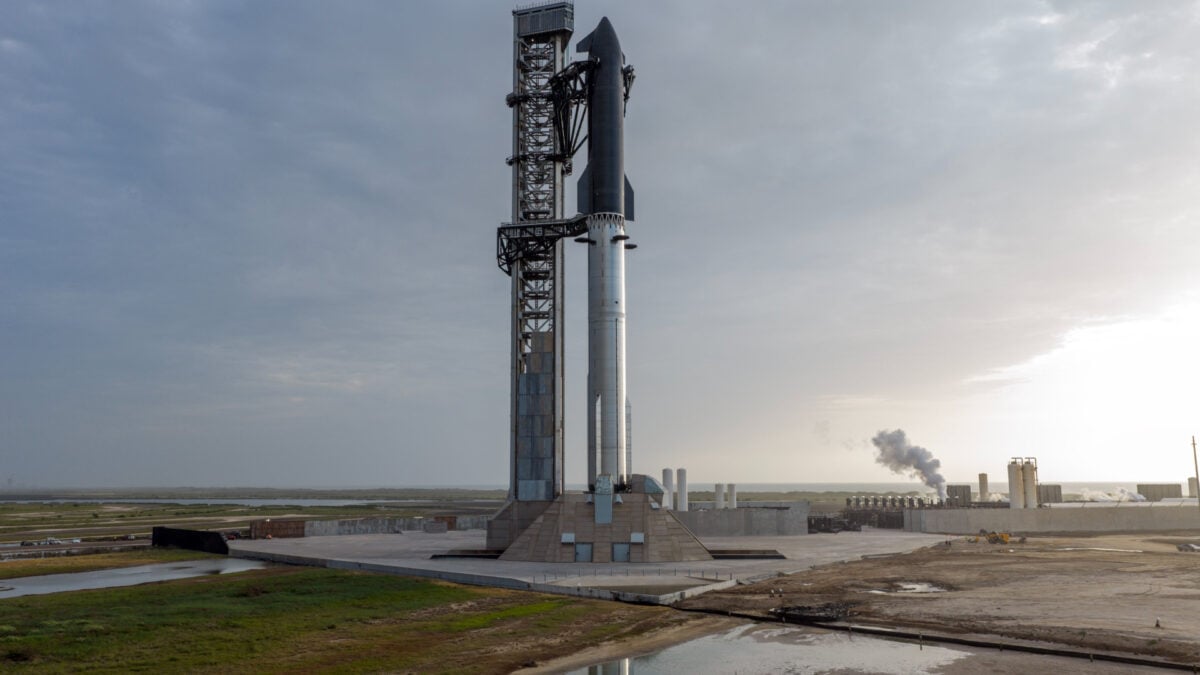
A launch attempt for the 13th test flight of SpaceX’s Starship rocket was aborted on Thursday, 16 July 2026, after a technical failure prevented the engines from executing a successful ignition sequence. The vehicle, currently the world’s largest and most powerful rocket at 407 feet tall, remained anchored to its pad at the Starbase facility in Cameron County, Texas, following an automatic abort triggered seconds before the planned liftoff.
The mission was intended to be the second flight of the Version 3 iteration of the spacecraft and its Super Heavy booster. Addressing the failure via social media, the company’s leadership provided an update on the status of the launch vehicle.
Media additions
"Some of the engines didn't start, triggering an automatic launch abort. Now offloading propellant. Next launch attempt hopefully in a few days."
Elon Musk, CEO, via X
Following the abort, the launch team initiated standard procedures to drain the rocket of fuel. The mission was expected to carry 20 functional, next-generation Starlink satellites. The mission objectives included an attempt to relight an engine in space and the deployment of these satellites to test their ability to communicate with the existing constellation. Additionally, six of these satellites were equipped with cameras intended to image the heat shield during flight, a process aided by the deliberate painting of select tiles in white to serve as visual targets.
Technical Objectives and Iteration
The Version 3 architecture represents a clean-sheet redesign of previous Starship models. Previous test flights, including the 12th mission, experienced propulsion challenges that led to a hard splashdown of the Super Heavy booster in the Gulf and the loss of a Raptor engine on the upper stage. The Federal Aviation Administration had previously closed an investigation into those propulsion issues and cleared the current attempt after accepting a SpaceX-led review.
To address issues encountered during the 12th test flight, engineers implemented several modifications for this mission, including:
- Updates to engine alarms and abort logic to better reflect multi-engine flight environments.
- Adjustments to the Super Heavy booster's engine startup sequence to correct the 90-degree off-nominal flip maneuver observed in earlier tests.
- Structural changes to the upper stage to improve engine re-light reliability in space.
- Testing of new attachment methods for heat shield tiles and the placement of sensor-equipped tiles to measure forces during higher dynamic pressure.
Context of the Starship Program
The Starship program remains integral to international lunar exploration efforts. NASA has tasked SpaceX with developing a lunar lander version of the spacecraft to ferry astronauts to the surface of the moon, working in parallel with Blue Origin to prepare for the Artemis III mission. Both companies are expected to have their landers ready to fly by next year to facilitate orbital docking tests. A subsequent mission, Artemis IV, is currently planned for no earlier than 2028 to transport astronauts to the moon’s south polar region.
Beyond lunar exploration, SpaceX maintains long-term goals for the Starship program, including the rapid expansion of the Starlink network, the development of data centers in space, and future human transit to Mars. Despite the current setback, the company maintains that the data gathered during these development flights is essential for future reusability. Engineers are currently working to identify the specific cause of the ignition failure before rescheduling the attempt. The upcoming flight remains suborbital, with the booster intended to splash down in the Gulf and the upper stage targeting the Indian Ocean.
How significant is this development?
Contribute your assessment to the aggregated reader sentiment ledger.
Frequently Asked Questions
Key questions answered in this reportWhat is the key development in: SpaceX Starship launch aborted when engines fail to start just before takeoff?
A technical failure prevented the ignition of the SpaceX Starship rocket during its 13th test flight, forcing an automatic abort at the Starbase facility. The launch team is offloading propellant and preparing for a future attempt.
Why is this Business development significant for the UK?
This report covers critical events in our Business beat. Independent reporting monitors related UK statements, regulatory shifts, and public responses as further verified details emerge.
How was this reporting corroborated and verified?
Newsarchy UK compiles and cross-references reporting from primary reporting from desmoinesregister.com and cross-checked wire reports. All coverage adheres to published editorial standards.
When was this report published?
This briefing was published on July 17, 2026 and is permanently cataloged in the Newsarchy UK Business archives.