Taco Bell removes lettuce from supplier linked to cyclosporiasis outbreak
Federal health officials have linked a parasitic illness outbreak to shredded lettuce at Taco Bell locations in five states, prompting a nationwide removal.

Federal health authorities have issued an urgent advisory for consumers to avoid eating shredded iceberg lettuce at Taco Bell locations in Indiana, Kentucky, Michigan, Ohio, and West Virginia. This development, confirmed by the Centers for Disease Control and Prevention and the Food and Drug Administration on Thursday, 16 July 2026, follows a traceback investigation that identified a single Mexican supplier of iceberg lettuce used by the restaurant chain in the affected states.
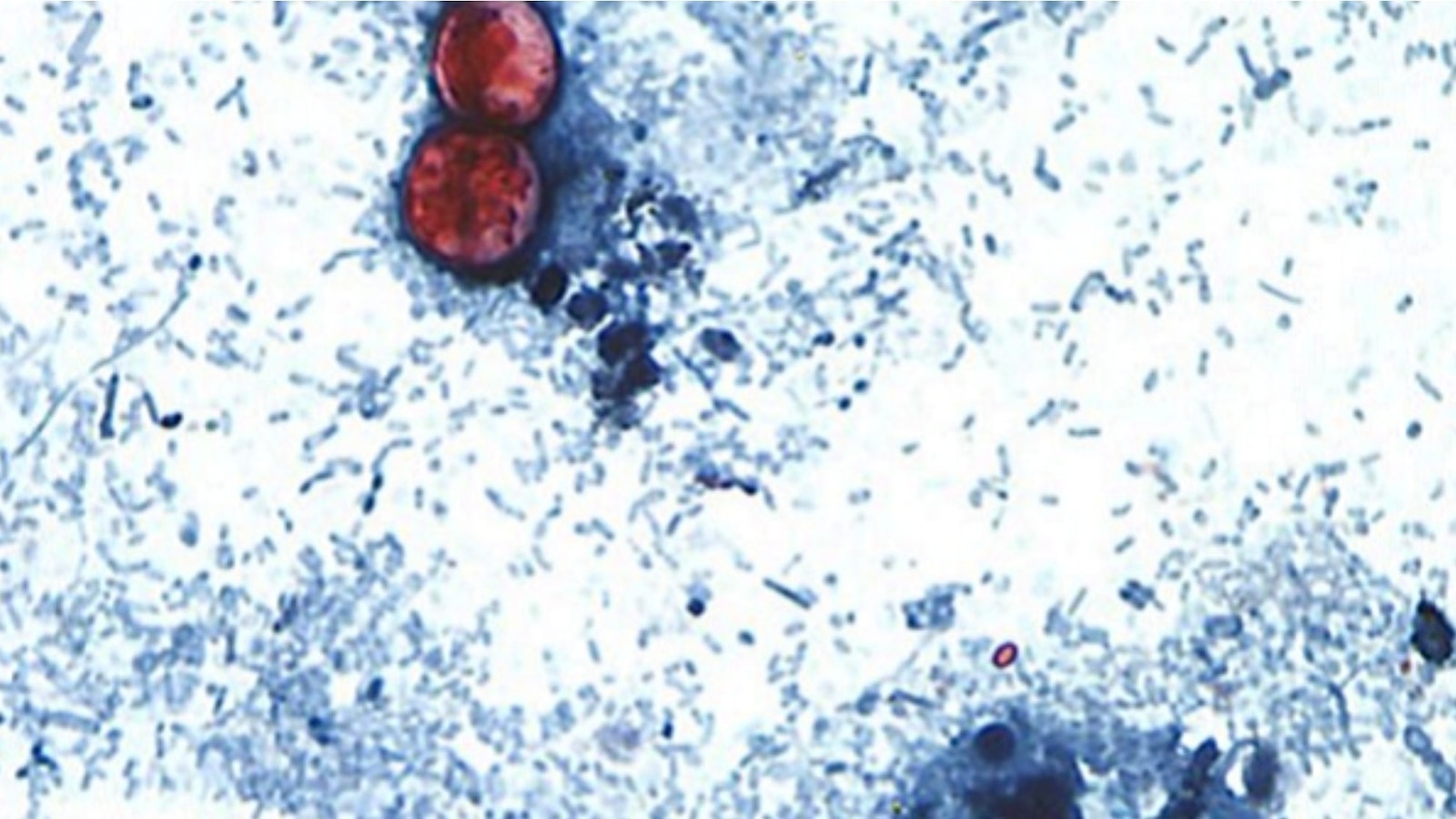
The investigation is currently examining whether this specific lettuce source is responsible for a surge in cyclosporiasis cases. Symptoms of this parasitic illness include watery, sometimes explosive diarrhea, nausea, cramping, fatigue, and low-grade fever. According to federal health officials, the infection typically manifests about a week after exposure, though the illness can persist for several weeks.
Media additions

Taco Bell has moved to remove the implicated ingredient from its supply chain nationwide. The company stated that the product is being replaced within 24 hours in the affected states. In a public statement, the chain emphasized its cooperation with health authorities:
"Based on ongoing conversations with public health officials, and out of an abundance of caution, Taco Bell has taken immediate action to voluntarily remove potentially impacted lettuce from a supplier in select states. The affected ingredient from our supplier is being indefinitely removed from our supply chain nationwide and will be replaced within 24 hours in select states."
Taco Bell, via Corporate Statement
"While no official advisory has been issued, we believe public health is a shared responsibility among restaurants, their suppliers, and authorities, and we are proud to have consistently acted quickly and proactively to protect our guests. Taco Bell has taken precautionary action, and we encourage all relevant restaurants, retailers, and foodservice operators to do the same."
Taco Bell, via Corporate Statement
While Taco Bell has not publicly identified its supplier, reports from the Washington Post, NBC News, and CBS News, citing sources familiar with the investigation, have pointed to Taylor Farms, a major produce distributor based in California, as the entity under scrutiny. The company has not provided comment regarding the current investigation.
The scale of the current outbreak has been particularly severe in Michigan. State officials reported 4,312 confirmed cases as of Thursday, 16 July 2026, with at least 102 hospitalizations. Nationwide, the CDC has verified 1,645 lab-confirmed cases, with 94 hospitalizations directly tied to the Taco Bell-linked cluster. Federal officials acknowledge these figures likely underrepresent the true extent of the illness, as many mild cases go unreported or untested.
The Food and Drug Administration has increased border screening for produce implicated in the outbreak and is working with the identified supplier to determine if further contaminated inventory remains in circulation. The agency is also working with state partners to collect additional samples for testing.
Infectious disease experts note that while cooking produce to appropriate temperatures can eliminate the parasite, it remains highly adhesive to surfaces, making thorough washing and scrubbing of fresh vegetables an incomplete protection method. While the White House maintains that recent budget and programmatic shifts at the CDC have not hindered the response, the administration has faced criticism regarding the perceived reduction in foodborne illness monitoring capabilities.