SpaceX Starship rocket aborts before liftoff in 13th flight test attempt
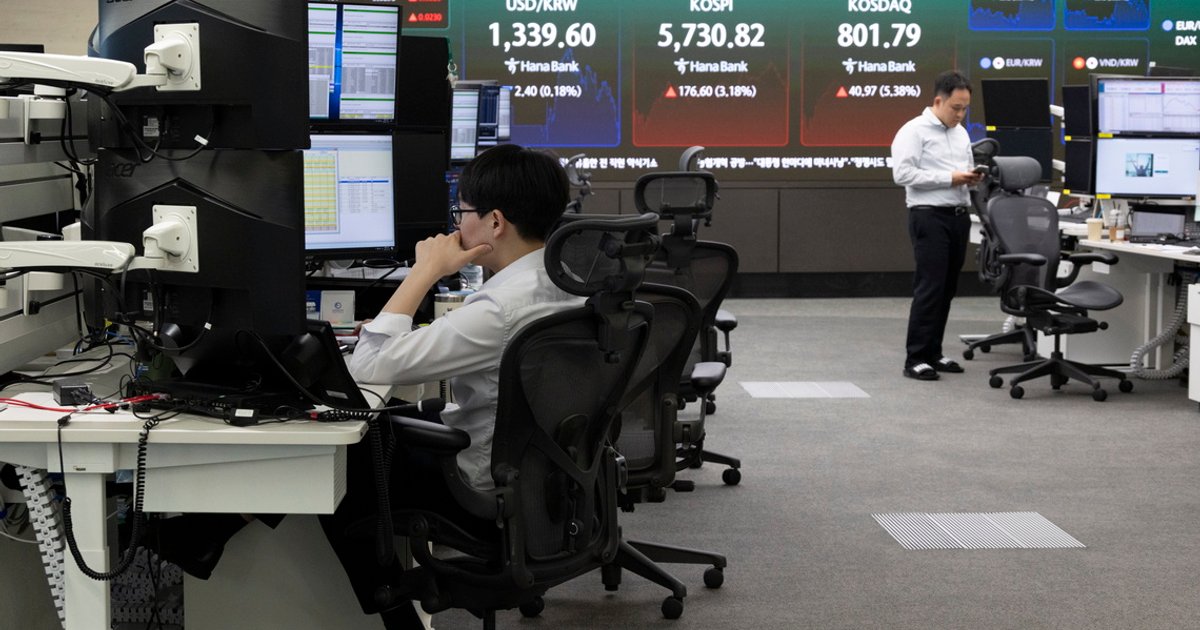
SpaceX's 13th Starship test was halted seconds before launch after an automatic abort triggered by engine ignition failure. The incident caused company shares to fall to $131.11, dropping below the $135 IPO price for the first time.
- Core Development: SpaceX's 13th Starship test was halted seconds before launch after an automatic abort triggered by engine ignition failure. The incident caused company shares to fall to $131.11, dropping below the $135 IPO price for the first time.
- Beat Context: Categorized under Business with independent corroboration.
- Reporting Depth: 3 minute analytical read synthesized from verified newsroom sources.
Starship aborts seconds before liftoff in 13th test, pushing the schedule back and shaking investor confidence
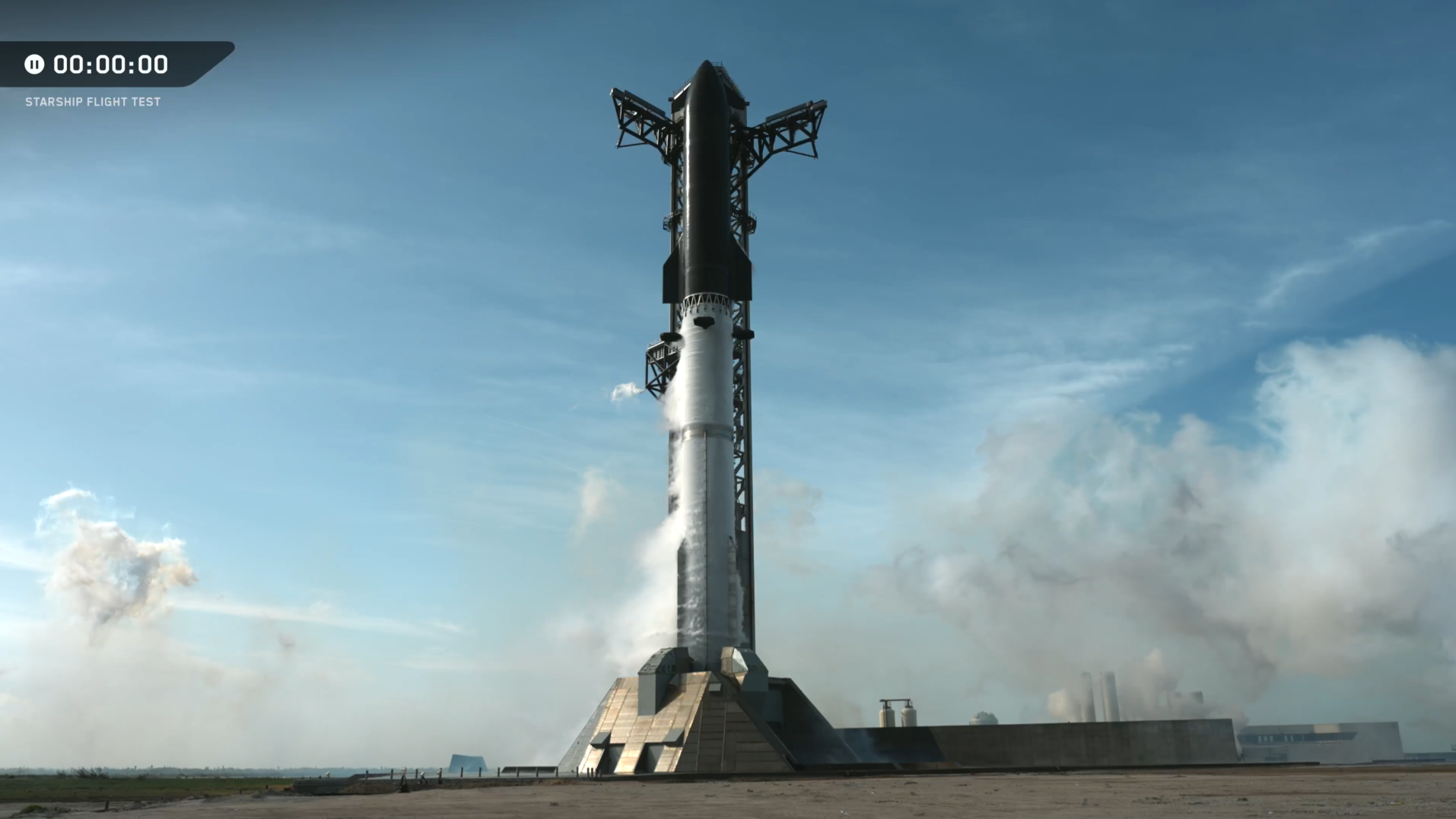
SpaceX’s 13th Starship trial – the second flight of the upgraded V3 version – was halted a heartbeat before lift‑off on Thursday, July 16. The last‑second scramble of the Super Heavy booster’s 33 Raptor engines triggered an automatic abort, sending the company’s shares sliding below the $135 IPO price for the first time.
“Some of the engines didn’t start, triggering an automatic launch abort,” Elon Musk posted on X. “To be confident of a good flight, 2 Raptors will be removed & replaced. Most probable launch timing is early next week.” The statement was echoed minutes later by SpaceX communications manager Dan Huot, who told viewers on the live stream, “We did trigger a hold on the booster that aborted our liftoff as we were starting to light those Raptor engines.” (Yahoo News)
Media additions


What went wrong, and why it matters now
The abort came less than a second before the scheduled 6:45 p.m. ET lift‑off from Starbase, south Texas. On‑screen telemetry from the webcast showed four of the new Raptor engines failing to fire, after which the remaining 29 shut down, leaving the vehicle anchored to the pad (Finance Yahoo). The abort protocol did exactly what it was designed to do – halt the countdown and secure the vehicle.
Beyond the engineering hiccup, the scramble has immediate business repercussions. SpaceX shares slipped more than 3 % in after‑hours trading, ending at $131.11 – under the $135 IPO benchmark (Wavebrowsernews; Alphaspread). JPMorgan analyst Seth Seifman warned that investors may want to “wait before calling the mission a success” despite the possibility of a later launch (Alphaspread).
Mission profile and payload stakes
Flight 13 was slated to loft 20 next‑generation Starlink V3 satellites – six of them equipped with cameras to image the vehicle’s heat shield – on a sub‑orbital trajectory lasting about an hour before the payload re‑entered and burned up. The booster and upper stage were not intended to be recovered; both would splash down in the sea (Space).
That earlier test also revealed a lost upper‑stage engine during ascent, prompting a suite of hardware and software updates that the FAA cleared in a recent review (Wavebrowsernews; Channel News Asia).
Investor pulse and market context
The stock’s drop to $131.11 marked the first time it closed below the IPO price (Strait Times).
Timeline of recent Starship milestones
| Date | Event |
|---|---|
| July 16, 2026 | Flight 13 abort seconds before lift‑off; 4 engines failed to ignite; stock falls below IPO price (Yahoo News) |
What to watch next
- Engine swap and inspection – two Raptor engines will be removed and replaced, as Musk indicated.
- Launch window – an early‑next‑week attempt is penciled in.
Industry reactions
Analysts at JPMorgan argued that the “hardware and software updates” outlined after the May incident – including new engine alarm settings and heat‑effect mitigations – remain “critical to reducing the chance of a reoccurrence” (Wavebrowsernews).
Why the abort matters for the business of space
In the short term, the company’s engineers will drain the propellant from both the Super Heavy booster and the Starship upper stage, conduct a forensic review of the engine‑ignition sequence, and replace the two flagged Raptors.
How significant is this development?
Contribute your assessment to the aggregated reader sentiment ledger.
Frequently Asked Questions
Key questions answered in this reportWhat is the key development in: SpaceX Starship rocket aborts before liftoff in 13th flight test attempt?
SpaceX's 13th Starship test was halted seconds before launch after an automatic abort triggered by engine ignition failure. The incident caused company shares to fall to $131.11, dropping below the $135 IPO price for the first time.
Why is this Business development significant for the UK?
This report covers critical events in our Business beat. Independent reporting monitors related UK statements, regulatory shifts, and public responses as further verified details emerge.
How was this reporting corroborated and verified?
Newsarchy UK compiles and cross-references reporting from primary reporting from wavebrowsernews.com and cross-checked wire reports. All coverage adheres to published editorial standards.
When was this report published?
This briefing was published on July 17, 2026 and is permanently cataloged in the Newsarchy UK Business archives.