Starlink slaps users with up to $1,500 demand surcharges in high‑demand zones
Starlink subscribers are reporting unexpected surcharges of up to $1,500 in high-demand zones as the company works to address ongoing network congestion.
- Core Development: Starlink subscribers are reporting unexpected surcharges of up to $1,500 in high-demand zones as the company works to address ongoing network congestion.
- Beat Context: Categorized under Business with independent corroboration.
- Reporting Depth: 3 minute analytical read synthesized from verified newsroom sources.
SpaceX’s satellite broadband arm has begun tacking a steep “demand surcharge” onto the bills of customers whose address falls inside a high‑demand footprint. The charge can climb to $1,500, a level that many subscribers say arrived without warning and is driving a wave of complaints across social media. The surge comes as the network grapples with congestion, a concern echoed by analysts who argue that the satellite model is now confronting the same capacity limits that fibre‑based providers have long managed.
The fee structure was quietly introduced in 2024 as a one‑time $100 add‑on, according to coverage from TechDirt and Futurism. By June 2025 the amount had risen to as much as $1,000 in certain parts of the United States, and as of last month surcharges can reach $1,500 in parts of Alaska.
Media additions
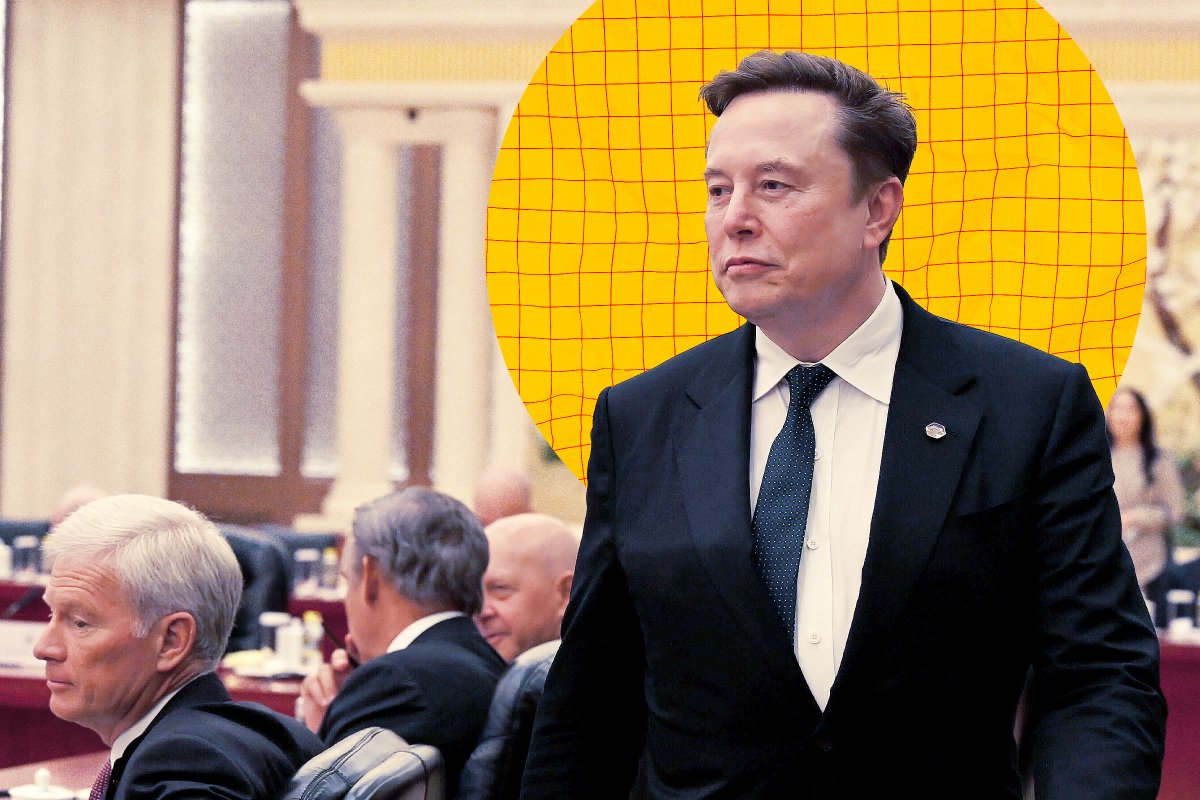
The escalation has been blamed on “network capacity” and “regional demand,” language that appears on a SpaceX support page translated from an African language. The page warns that moving from a low‑demand to a high‑demand area will trigger a surcharge “based on current network capacity,” while the reverse move incurs no fee.
“Starlink is too congested to handle meaningful load at scale so they’re quietly hitting people with $750‑$1,500 ‘demand surcharges,’”
Karl Bode, TechDirt, via Bluesky
Bode’s observation on Bluesky reflects a broader sentiment among users who say the extra charge is being levied without clear notification. One Reddit poster, who has been a Starlink subscriber for three years, posted:
“I have been charged 1,500 dollars demand surcharge for simply verifying my address that I have subscribe to three years ago. I have contacted Starlink customer support but it’s pretty worthless. I have been getting tossed from one agent to another agent for the past five days.”
Reddit user, via TechDirt
The same user added that an internal agent confirmed the fee stemmed from a “system error” yet could not reverse it because the amount was “high.” A second user, travelling in an RV on a residential plan, reported a $500 surcharge after “choosing a high demand surcharge area in the NW.” The complaint notes that an automated system misread a slight latitude‑longitude mismatch, prompting a refund only after a support representative intervened.
Earlier, a Reddit thread from Washington state highlighted a $1,000 demand charge when the poster attempted to sign up for the residential plan. The user labelled the fee “Demand surcharge to the Moon,” underscoring the frustration felt by early adopters.
SpaceX’s pricing changes dovetail with a regulatory environment that many observers describe as unusually favorable to the company. Both articles note that Elon Musk maintains an extremely close relationship with Federal Communications Commission chair Brendan Carr. Under Carr’s leadership, the FCC has been advancing approvals for next‑generation satellite launches, a move portrayed as a “major regulatory win” for SpaceX.
Critics argue that the close ties raise conflict‑of‑interest questions, especially as satellite congestion threatens to undermine service reliability. The same pieces cite concerns over the burgeoning constellation’s impact on orbital traffic and the environmental footprint of frequent launches.
Former Nebraska state senator Julie Slama, speaking to the Washington Post, warned that once Starlink secures a foothold in rural markets “they’re free to raise prices at will.” Slama’s comment ties the surcharging practice to broader worries that limited competition could leave rural customers with few alternatives besides a pricier satellite service.
Beyond the surcharges, monthly subscription rates are reportedly inching upward, adding pressure to
How significant is this development?
Contribute your assessment to the aggregated reader sentiment ledger.
Frequently Asked Questions
Key questions answered in this reportWhat is the key development in: Starlink slaps users with up to $1,500 demand surcharges in high‑demand zones?
Starlink subscribers are reporting unexpected surcharges of up to $1,500 in high-demand zones as the company works to address ongoing network congestion.
Why is this Business development significant for the UK?
This report covers critical events in our Business beat. Independent reporting monitors related UK statements, regulatory shifts, and public responses as further verified details emerge.
How was this reporting corroborated and verified?
Newsarchy UK compiles and cross-references reporting from primary reporting from futurism.com and cross-checked wire reports. All coverage adheres to published editorial standards.
When was this report published?
This briefing was published on July 6, 2026 and is permanently cataloged in the Newsarchy UK Business archives.