Trump demands loyalty from NATO allies ahead of Turkey summit
EXECUTIVE BRIEFKey Takeaways & Signal
Core Development: NATO leaders are navigating concerns over U.S. military commitments and troop reductions while attempting to maintain alliance stability.
Beat Context: Categorized under World with independent corroboration.
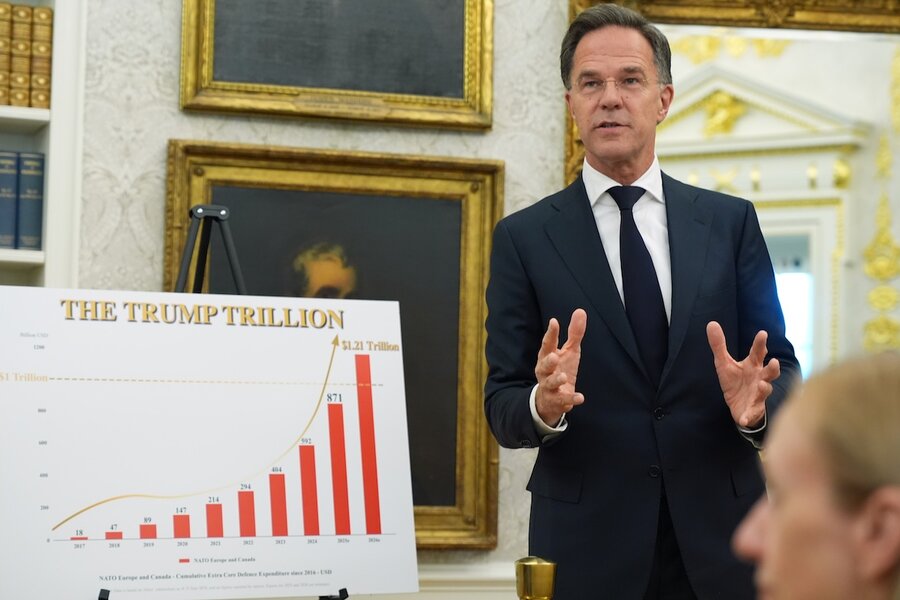
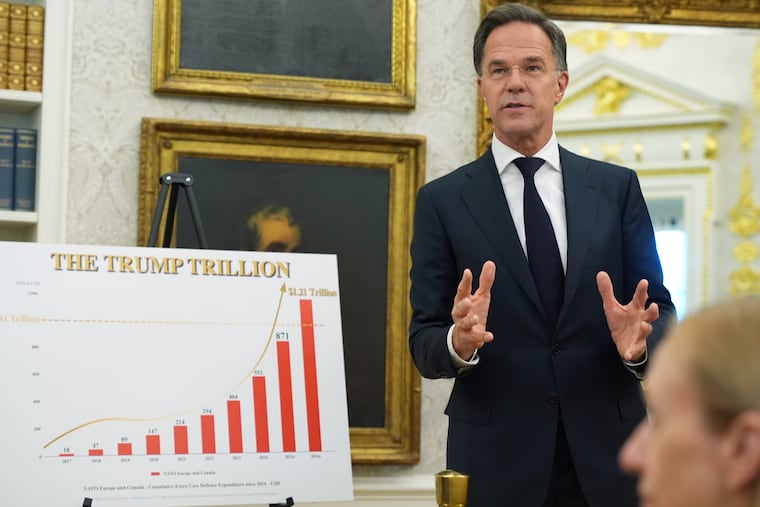
During a White House meeting held last month, Rutte attempted to solidify U.S. Commitment to the alliance by presenting a display titled “The Trump Trillion.” The presentation highlighted $1.2 trillion in defense spending by European allies and Canada since 2017. Despite these figures, the response from the U.S. President remained focused on dissatisfaction regarding the lack of allied participation in the war in Iran, a conflict initiated by the United States and Israel without prior consultation with the alliance.
"We don’t need their money – we don’t need anything. I just want loyalty."
Media additions
Image via inquirer.com
Rutte, a former Dutch prime minister who has led NATO for nearly two years, has consistently employed a strategy of extensive flattery to maintain U.S. Participation in the alliance. During his recent Oval Office presentation, which utilized American-flag-themed props, Rutte highlighted that European procurement had resulted in a $300 billion backlog of military orders for the United States, alongside the creation of thousands of domestic American jobs. In response to complaints regarding a lack of support during the Iran conflict, Rutte noted that as many as 5,000 U.S. Aircraft had utilized European bases prior to the cease-fire in April.
The atmosphere surrounding the summit remains strained by recent developments regarding U.S. Military support. Last month, the Pentagon announced plans to scale back the number of aircraft, warships, troops, and drones it would commit to the collective defense of NATO members in the event of an attack. This announcement has created uncertainty, as the administration has delivered conflicting messages concerning whether U.S. Force levels in Europe will be increased or reduced. This ambiguity has contributed to a decline in trust among allies at a time when Russia is increasingly active with drone flights near European military installations.
The history of the alliance under the current U.S. Administration has been marked by repeated threats to withdraw from the treaty, discussions regarding the removal of troops from Europe, and public comments regarding the potential acquisition of Greenland. Jens Stoltenberg, the former NATO secretary-general, addressed these recurring tensions in his memoir, reflecting on a 2018 summit that nearly collapsed due to similar friction.
"If an American president says he no longer wishes to defend the other allies and leaves a NATO summit in protest, then the NATO treaty and its security guarantee aren’t worth very much."
The upcoming summit in Turkey is viewed as a precarious event. The host, President Recep Tayyip Erdogan, maintains a personal rapport with the U.S. President, which alliance officials hope will ensure that the United States remains engaged in the proceedings. In previous years, such as the summit held in The Hague, the diplomatic outcomes were more favorable, with the U.S. President describing his counterparts as a “nice group of people” following a major agreement on defense spending. However, the current demand for loyalty remains a factor that officials acknowledge is difficult to quantify or address through standard policy mechanisms.
As the summit begins, the alliance continues to debate how to reconcile the U.S. Focus on security challenges involving China with the ongoing regional concerns in Europe and the war in Ukraine.
READER INTELLIGENCE PULSE
How significant is this development?
Contribute your assessment to the aggregated reader sentiment ledger.
Click an option to register your anonymous assessment.
Frequently Asked Questions
Key questions answered in this report
What is the key development in: Trump demands loyalty from NATO allies ahead of Turkey summit?
NATO leaders are navigating concerns over U.S. military commitments and troop reductions while attempting to maintain alliance stability.
Why is this World development significant for the UK?
This report covers critical events in our World beat. Independent reporting monitors related UK statements, regulatory shifts, and public responses as further verified details emerge.
How was this reporting corroborated and verified?
Newsarchy UK compiles and cross-references reporting from primary reporting from csmonitor.com and cross-checked wire reports. All coverage adheres to published editorial standards.
When was this report published?
This briefing was published on July 6, 2026 and is permanently cataloged in the Newsarchy UK World archives.