Trump asks Jensen Huang to make a ‘big apology’ and reclaim Nvidia CEO job
US President Donald Trump has called on Nvidia to rehire departed CEO Jensen Huang following an apology. The chipmaker's board, however, has rejected the push amid ongoing federal investigations and market turbulence.
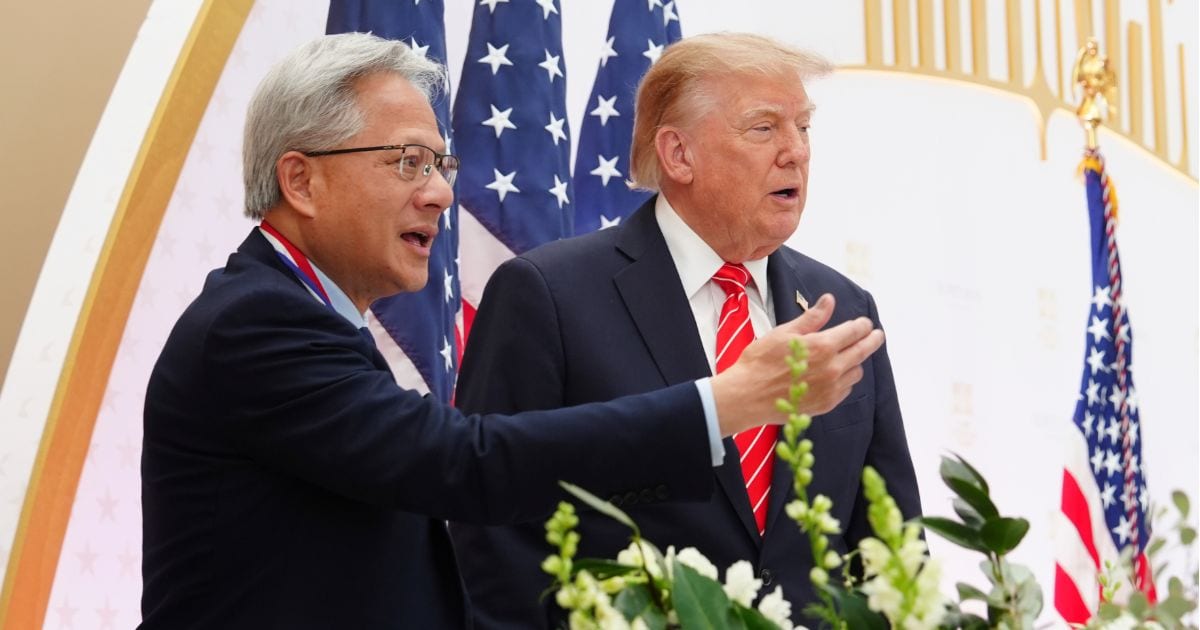
United States President Donald Trump urged Nvidia to reinstate Jensen Huang following his resignation, setting up a public standoff with the chipmaker's board as the company confronts concurrent federal investigations and market turbulence.
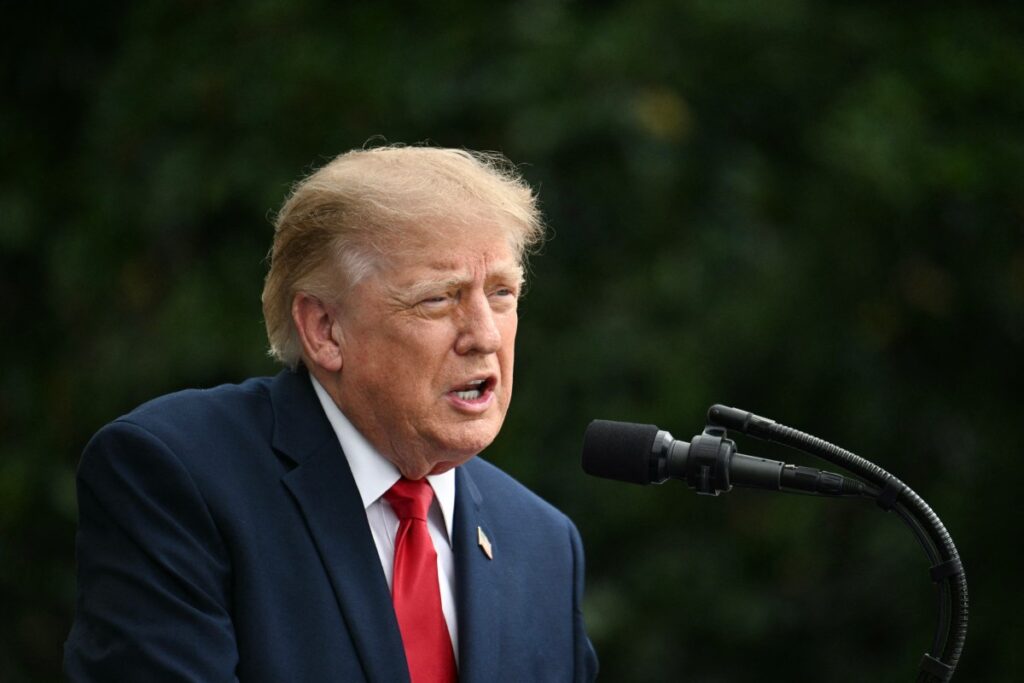
Speaking to reporters in Washington on Friday, November 20, 2026, after returning from an Asian tour that included a trilateral summit in Shenzhen, China, Trump defended the departed chief executive as a vital asset to American technological competitiveness.
Media additions


Huang stepped down from his roles as president, chief executive officer, and board member after revelations surfaced regarding extramarital relationships. These included a reported connection with Alice Huang, a former executive at Singapore-based company Megaspeed whom U.S. Intelligence agencies concluded was a Chinese intelligence asset. Reports of additional affairs emerged subsequently, prompting an independent investigation by Nvidia's board and intense national security scrutiny.
Despite those disclosures, Trump argued that the co-founder's technical leadership, particularly his work developing Nvidia's advanced Blackwell chip architecture, was too crucial for the nation to forfeit.
"I'd like to see Jensen make a big apology and go back because he created something with Blackwell."
Donald Trump, U.S. President, via AFP and Jamaica Observer
Trump added that the United States is a country of second chances and that Nvidia's board would be wise to accept an apology and put him back to work, comparing his defense of Huang to his historical support for Tesla and SpaceX chief executive Elon Musk.
Nvidia's leadership has rejected that appeal. During a quarterly earnings call, board chair Harvey Jones stated that the directors unanimously accepted Huang's resignation and harbor no intentions of reinstating him. Sources close to the matter confirmed to CNBC and Reuters that reinstatement is not under consideration.
Market response to the leadership vacuum and widening regulatory inquiries has been severe. Nvidia shares dropped by double digits, leaving the stock lower by more than 12% in a single session and down 47% from its 52-week high, while tracking toward its longest weekly losing streak since 2008. Amid the sell-off, prediction markets on Kalshi adjusted Huang's implied probability of returning to 10%, trailing prospective external successors.
| Potential Successor | Role / Affiliation | Kalshi Probability |
|---|---|---|
| Rene Haas | CEO, Arm | 26% |
| Ian Buck | Vice President, Nvidia | 13% |
| Jensen Huang | Ousted CEO, Nvidia | 10% |
| Tim Cook | Executive Chairman, Apple | 4% |
The presidential push for reinstatement also exposed internal friction within the administration regarding diplomatic exchanges. Trump asserted that he and Chinese leader Xi Jinping discussed Huang during their summit, noting that Xi praised him as a brilliant man. Hours earlier, Treasury Secretary Scott Bessent told CNBC that Huang was not mentioned during his separate talks with Chinese officials. A senior administration official subsequently clarified that both leaders were accurately describing their respective conversations.
Bessent used his broadcast appearance to outline current policy parameters, confirming that export thresholds allowing sales of Nvidia's H200 AI chips to China remain unchanged following the Shenzhen meetings. He also noted that Trump and Xi agreed on guardrails requiring human oversight for any military decisions involving artificial intelligence, which administration officials refer to as superintelligence, or SI.
Concurrently, the regulatory and legislative pressure surrounding Nvidia is intensifying on multiple fronts. Congressional Democrats, including Representatives Gregory Meeks and Sydney Kamlager-Dove, dispatched a joint letter demanding documents and answers from Commerce Secretary Howard Lutnick by December 1, 2026. The lawmakers are investigating whether Nvidia received improper preferential treatment and whether senior administration officials improperly influenced a federal inquiry into Megaspeed's alleged diversion of restricted U.S. Microchips to China. The Commerce Department denied that senior official Jeffrey Kessler authorized Nvidia to contact export-control investigators, insisting that casework was handled strictly by the book.
Adding to the legal complexities, the U.S. Securities And Exchange Commission has opened an inquiry into potential accounting practices at the chipmaker, according to Reuters reporting. Separately, California Attorney General Rob Bonta served Nvidia with an investigative subpoena examining whether advanced semiconductors or restricted information reached foreign entities and whether the firm misled investors regarding those risks.
What happens next depends on the unyielding stance of Nvidia's board, the findings of parallel probes by the SEC and congressional committees, and the December 1 deadline set by lawmakers for the Commerce Department to hand over documents concerning the Megaspeed semiconductor inquiry.