Uber drivers protest Wayve robotaxi rollout in London
Uber drivers staged a protest outside Wayve's London headquarters, demanding that the city halt its trial of autonomous robotaxis over job loss fears.

- Core Development: Uber drivers staged a protest outside Wayve's London headquarters, demanding that the city halt its trial of autonomous robotaxis over job loss fears.
- Beat Context: Categorized under Business with independent corroboration.
- Reporting Depth: 5 minute analytical read synthesized from verified newsroom sources.
In a flash of protest outside Wayve’s King’s Cross headquarters on Saturday, a handful of Uber drivers marched in front of the company’s doors, demanding that the city halt its plan to roll out driverless taxis. The demonstration, which drew roughly twenty drivers, is part of a growing backlash that threatens to derail a trial that began in September and could see autonomous vehicles operating across London by 2027.
Wayve, a London‑based autonomous‑vehicle start‑up, has partnered with Uber to launch the city’s first driverless minicabs. The fleet consists of fifteen Ford Mustang electric cars fitted with Wayve’s AI system, each carrying a safety driver who can seize control at any time. The service began in September, and the first rides have already attracted over 100,000 Londoners who opted in to use the autonomous option via the Uber app.
Media additions
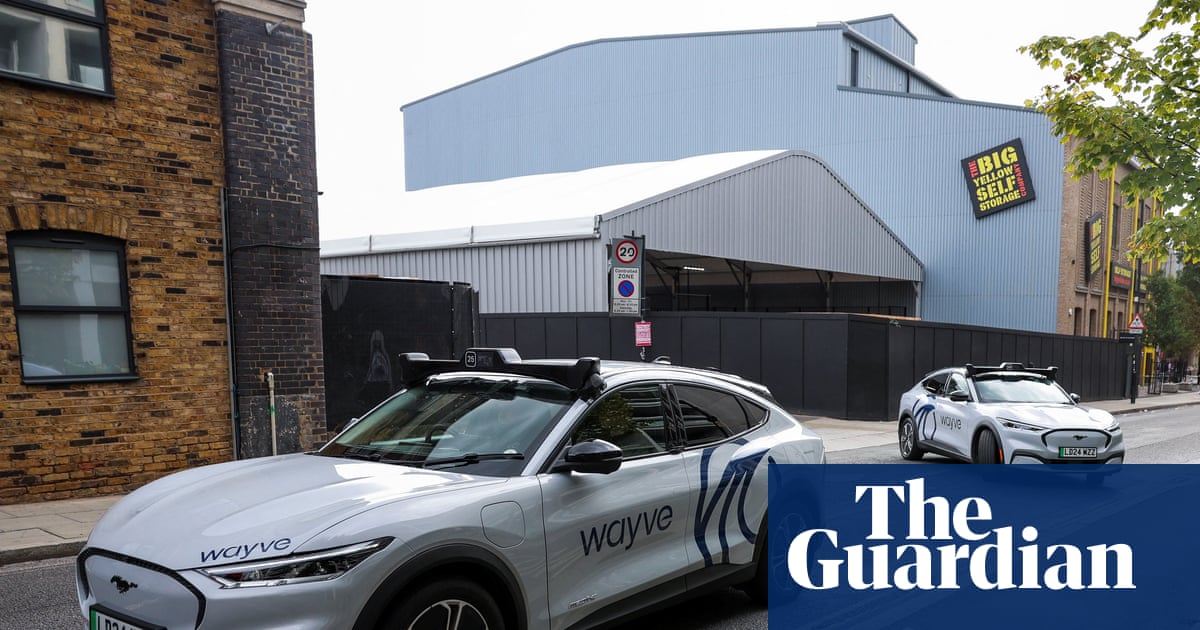

According to a BBC report on the launch, the safety driver took control once during a ride when a van’s doors opened unexpectedly. “The safety driver gave me a 30‑second safety briefing, and then we were off,” the journalist recounted. “At one point the safety driver did have to take control of the car.” The incident illustrates the cautious approach that regulators and Uber are taking.
Drivers, however, see a different future. The Standard quoted Abdurzak Hadi, a 50‑year‑old Uber driver who has worked for the company for over a decade, saying: “I feel like I’ve been treated like an old car that’s not needed any more… it will be very difficult for us to compete with that machine.” The driver added that the prospect of competing with a 24‑hour autonomous vehicle would “have an impact on my livelihood.” Hadi, who is also the chair of the App Drivers and Couriers Union (ADCU), called on Transport for London to suspend licences for driverless vehicles until a clearer plan was in place.
ADCU’s statement echoed the sentiment of the protestors: the company called the drivers “collateral damage” and demanded compensation. The union’s message to London Mayor Sadiq Khan was explicit: “Speak out, because a lot of people are going to be impacted currently as Londoners and these are the people you promised to protect in every aspect.”
| Item | Details |
|---|---|
| Number of protestors | ~20 |
| Number of Wayve robotaxis in trial | 15 |
| Number of Uber drivers in London | ~140,000 opted‑in for autonomous rides (per Uber) |
| Number of drivers on waitlist for robotaxis | >100,000 (per Uber) |
| Number of UK drivers potentially affected by autonomy | >400,000 (per think‑tank report) |
The protest is not an isolated event. The BBC coverage of the demonstration noted that the London Assembly Transport Committee has warned that autonomous taxis could worsen congestion and threaten jobs. The committee has called for Transport for London to be granted the power to set a cap on the number of autonomous vehicles operators can deploy.
Wayve has described its rollout as “deliberately phased” and has stated that it is working closely with Uber and TfL to ensure the service is introduced responsibly. “We are taking a deliberately phased approach with our partner Uber, learning from supervised operations and working with TfL to ensure future services align with the Mayor’s Transport Strategy,” a Wayve spokesperson said in a statement. The company also said it had engaged extensively with political leaders, community organisations and accessibility advocates.
Transport for London’s stance is cautious. A TfL spokesperson said: “Safety is our top priority and any automated passenger service in London can only operate with TfL’s consent.” The authority is also working with the government, unions, and industry representatives to prepare for the technology’s introduction. Christina Calderato, director of transport strategy and policy at TfL, said they were “not holding up any decision on the cars, but instead taking time to get it right.”
Union voices add further urgency. James Rossi, a GMB union representative and London bus driver, called for guarantees about safety and job security. He added that companies developing the technology should help pay for retraining workers who lose jobs. The GMB’s Mark Betteridge, speaking at the Labour conference, said the union was not against change but that drivers “want some sort of transition plan to get through this.”
Experts highlight the technical challenges that remain. Prof Siddartha Khastgir, head of safe autonomy at the University of Warwick’s Warwick Manufacturing Group, warned that “how does a self‑driving vehicle respond to emergency services? And what are the nuances of doing that in a crowded place like London?” These safety questions remain central to the debate over whether autonomous vehicles should be allowed to operate without a human driver in the future.
Political reactions have been mixed. The mayor, Sadiq Khan, has expressed both support for technology and concern over its impact on safety, congestion and jobs. He said he was committed to ensuring that Londoners benefit from new technologies but also shared “concerns about potential impacts on safety, congestion and jobs.”
Looking ahead, the next steps hinge on regulatory decisions. Transport for London is expected to hold further consultations with the Department for Transport, unions and industry partners. The government has indicated that a framework for autonomous vehicles will be in place by 2027, but the exact timeline remains uncertain.
What to Watch Next
- Transport for London’s forthcoming consultation on autonomous vehicle licences.
- Any formal statement from Mayor Sadiq Khan addressing driver concerns.
- Progress of Wayve’s trial, including any incidents or safety reviews.
- Potential policy proposals from unions such as the GMB and ADCU regarding transition plans for drivers.
How significant is this development?
Contribute your assessment to the aggregated reader sentiment ledger.
Frequently Asked Questions
Key questions answered in this reportWhat is the key development in: Uber drivers protest Wayve robotaxi rollout in London?
Uber drivers staged a protest outside Wayve's London headquarters, demanding that the city halt its trial of autonomous robotaxis over job loss fears.
Why is this Business development significant for the UK?
This report covers critical events in our Business beat. Independent reporting monitors related UK statements, regulatory shifts, and public responses as further verified details emerge.
How was this reporting corroborated and verified?
Newsarchy UK compiles and cross-references reporting from primary reporting from The Guardian and cross-checked wire reports. All coverage adheres to published editorial standards.
When was this report published?
This briefing was published on October 17, 2026 and is permanently cataloged in the Newsarchy UK Business archives.