Guinea-Bissau military junta extends rule to 2028 by delaying elections
Guinea-Bissau's military junta has postponed promised democratic elections to November 26, 2028, extending military administration and delaying the return of civilian governance.

Guinea-Bissau's military leadership has pushed the country’s return to elected civilian government further into the future. Transitional authorities postponed presidential and parliamentary elections until November 26, 2028, extending military administration and abandoning the electoral timetable that was expected to restore constitutional rule.
The announcement arrived via a formal decree issued on Thursday, November 26, 2026, by transitional leader Major-General Horta Inta-a—also referred to in reporting as General Horta N'Tam. According to Al Jazeera and other international outlets, the decree was published exactly one year after soldiers seized power on November 26, 2025.
Media additions

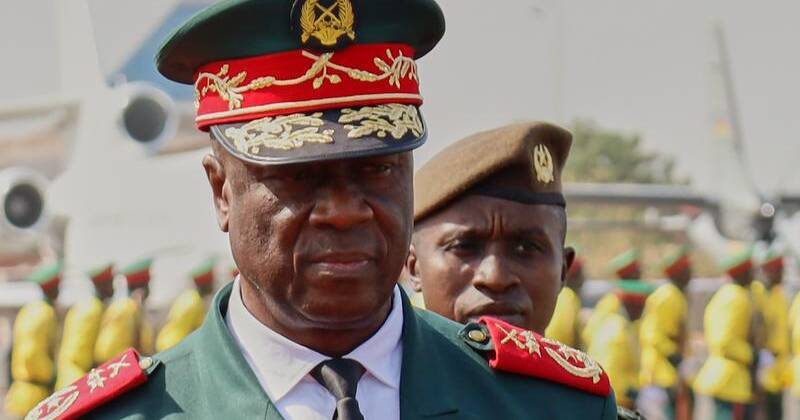
The transitional presidency justified the two-year extension by pointing to an insufficiency of the technical, material and financial conditions
necessary to hold credible, transparent, and inclusive polls. BBC coverage noted that the presidency argued additional time was required to protect the legality, transparency, and inclusiveness of the electoral process, and to ensure all candidates are given equal opportunities.
Prime Minister Ilídio Vieira Té had already signaled the postponement earlier, warning that conditions were unready for a December ballot, though he had omitted a target date at the time. Following a meeting with the transitional president, Té explained that political parties were not adequately prepared to contest the elections.
The military takeover on November 26, 2025, interrupted general elections held three days prior. Both incumbent President Umaro Sissoco Embaló and opposition candidate Fernando Dias da Costa had claimed victory before soldiers arrested Embaló just one day before official results were to be announced. Embaló has since lived in exile in Morocco and was reportedly barred from returning last month to contest the postponed elections.
During the initial twelve months of military oversight, the administration advanced constitutional reforms approved in an August 2026 referendum that significantly expand presidential powers and alter parliamentary arrangements. Provisional results indicated strong public backing for the constitutional alterations, which enable the president to appoint and dismiss the prime minister while changing electoral constituency arrangements and shrinking the size of parliament.
Regional and international bodies have expressed deep concern over the extended military timeline. The Economic Community of West African States (ECOWAS) had consistently urged a short, structured, and transparent transition back to democratic governance. Senegalese President Bassirou Diomaye Faye travelled to Bissau on an official ECOWAS mission to urge the military leadership to ease political restrictions ahead of the scheduled vote.
| Event / Milestone | Original Schedule / Date | Revised Status / Date |
|---|---|---|
| General Elections Interrupted | November 23, 2025 | Halted by military coup on November 26, 2025 |
| Initial Civilian Return Target | December 6, 2026 | Abandoned by junta decree |
| New Election Date | Not applicable | November 26, 2028 |
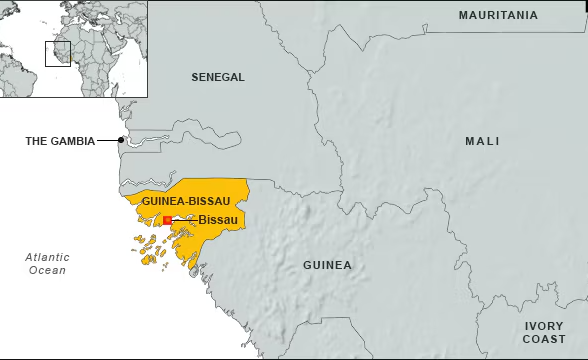
Observers emphasize that Guinea-Bissau's prolonged instability exacerbates systemic challenges in the small West African nation. Analysts point out that chronic political crises, corruption, and eroded oversight along the nation's coastline have historically reinforced its role as a transit hub for international cocaine trafficking between Latin America and Europe.
What to watch next
- Electoral calendar benchmarks and logistical rollouts over the coming six months rather than decrees on paper.
- Potential responses and diplomatic enforcement measures from regional bodies like ECOWAS.
- The status of planned local government elections, for which the military rulers have yet to set a concrete date.