US hiring slows to 57,000 jobs in June as employer caution persists
U.S. employers added 57,000 jobs in June, a figure complicated by downward revisions to previous months and a decline in labor force participation.

- Core Development: U.S. employers added 57,000 jobs in June, a figure complicated by downward revisions to previous months and a decline in labor force participation.
- Beat Context: Categorized under Business with independent corroboration.
- Reporting Depth: 3 minute analytical read synthesized from verified newsroom sources.
U.S. Employers slowed hiring in June, adding 57,000 jobs, a figure that falls below market expectations. This report, released by the Labor Department on Thursday, signals that companies maintain a cautious economic outlook as inflation remains at a three-year high.
The headline job growth is further complicated by downward revisions to the previous two months. Employment gains for April were cut to 148,000 from an initial estimate of 179,000, while May’s figures were reduced from 172,000 to 129,000. Combined, these adjustments indicate the economy added 74,000 fewer jobs than previously reported for that period. Daniel Zhao, chief economist at Glassdoor, noted that the revisions suggest recent labor market strength may have been overstated.
Media additions

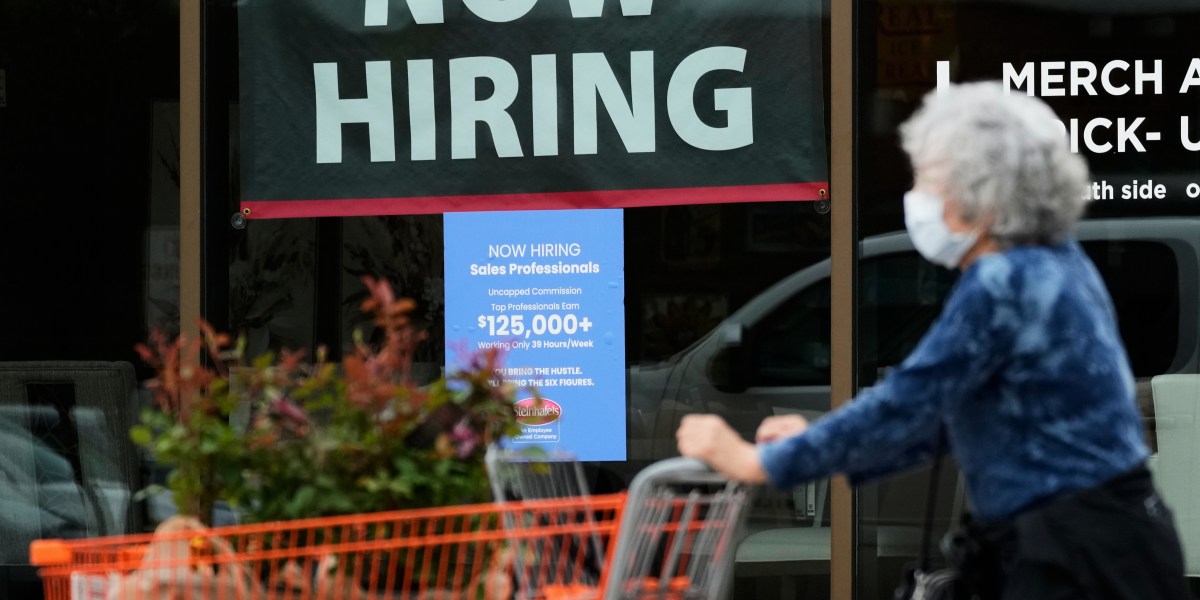

While the unemployment rate declined to 4.2% from 4.3% in May, economists cautioned that this drop is not necessarily a sign of labor market health. The rate fell largely because a significant number of individuals withdrew from the labor force. Labor force participation dropped to 61.5% from 61.8% the prior month. According to Jeffrey Roach, chief economist at LPL Financial, the number of people not participating in the labor force increased to about 105.8 million. Zhao characterized the movement in the unemployment rate as good news for the wrong reasons
because it was driven by people leaving the labor force rather than by more hiring.
Sector Performance and Consumer Trends
The hospitality and leisure sector experienced a notable contraction, shedding 61,000 positions. This decline was unexpected, as many analysts had anticipated a temporary boost in employment due to the ongoing World Cup. Chad Moutray, chief economist at the National Restaurant Association, observed that member companies are seeing signs consumers are pulling back on eating out, particularly outside higher-income households. Retailers also reduced their staff levels, cutting 7,500 jobs.
Conversely, the healthcare sector remained a primary driver of growth, adding nearly 47,000 positions, while professional and business services—including architecture, engineering, and software development—grew by 36,000. Nicole Bachaud, a labor economist at ZipRecruiter, pointed to a structural mismatch in the current market: firms are increasingly seeking senior, experienced talent, while many job seekers are attempting to enter the market at an entry-level capacity. Bachaud stated that the gap between what employers require and what current job seekers offer illustrates a significant mismatch in the market.
Market and Policy Implications
The report has sparked debate over the Federal Reserve’s upcoming interest rate decisions. With inflation persisting at a three-year high, the central bank had previously signaled openness to further rate hikes. However, the cooling labor data may provide the Fed with more flexibility to maintain the current rate of about 3.6%. Eric Winograd, chief U.S. Economist at AB Global, suggested the data arrived at a sweet spot
for investors, indicating growth remains steady enough to avoid recession fears while being soft enough to reduce the immediate pressure for a rate hike. Following the report, the S&P 500 saw an increase of 0.7% in mid-morning trading.
The report presents a political challenge for President Donald Trump, who has frequently cited economic performance as a core indicator of his administration's success. Federal Reserve Chair Kevin Warsh, speaking in Portugal, reiterated his focus on the 2% inflation target without commenting on specific plans for the upcoming meeting later this month.
What to Watch Next
- Fed Policy Meeting: Policymakers are scheduled to meet later this month to decide whether to adjust the current key interest rate.
- Consumer Spending Data: Analysts will monitor whether the decline in hospitality jobs reflects a sustained pullback in discretionary spending.
- Revised Estimates: Market participants will await further revisions to payroll figures in the next scheduled monthly report.
How significant is this development?
Contribute your assessment to the aggregated reader sentiment ledger.
Frequently Asked Questions
Key questions answered in this reportWhat is the key development in: US hiring slows to 57,000 jobs in June as employer caution persists?
U.S. employers added 57,000 jobs in June, a figure complicated by downward revisions to previous months and a decline in labor force participation.
Why is this Business development significant for the UK?
This report covers critical events in our Business beat. Independent reporting monitors related UK statements, regulatory shifts, and public responses as further verified details emerge.
How was this reporting corroborated and verified?
Newsarchy UK compiles and cross-references reporting from primary reporting from newsweek.com and cross-checked wire reports. All coverage adheres to published editorial standards.
When was this report published?
This briefing was published on July 2, 2026 and is permanently cataloged in the Newsarchy UK Business archives.