US, Japan took joint action to shore up yen: Reports
Washington and Tokyo have taken rare joint action to support the Japanese yen following its steep slide to decades-long lows, according to recent reports.
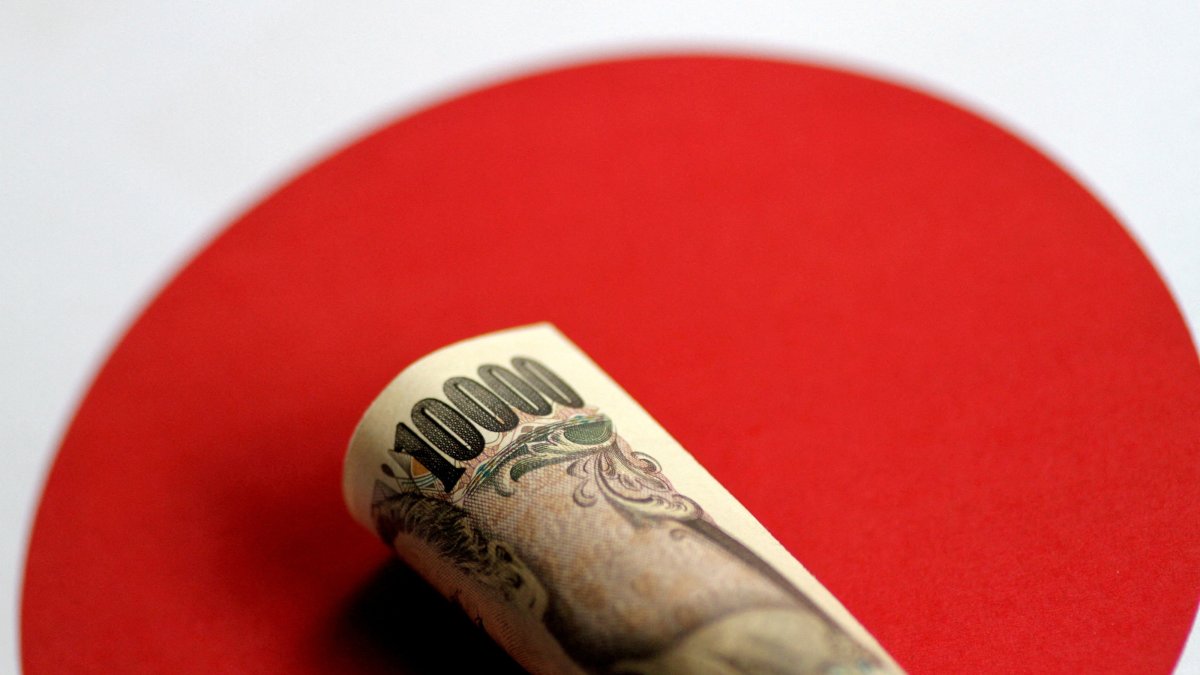
- Core Development: Washington and Tokyo have taken rare joint action to support the Japanese yen following its steep slide to decades-long lows, according to recent reports.
- Beat Context: Categorized under Business with independent corroboration.
- Reporting Depth: 3 minute analytical read synthesized from verified newsroom sources.
Currency traders are preparing for further coordinated market intervention by Washington and Tokyo as authorities signal a rare joint defense of the Japanese yen. According to reports from Daily Sabah, Livemint, and Iz, the actions mark a significant shift in addressing the currency's slide to decades-long lows.
The yen had recently plunged to its weakest level since 1986, trading near 163.24 per dollar. Pressures from higher interest rates, rising oil prices, persistent capital outflows, and budget deficits have weighed heavily on the currency. The wide interest-rate gap between Japan and the United States has encouraged investors to borrow cheaply in yen to fund higher-yielding assets elsewhere, fueling the carry trade.
To arrest the decline, the Federal Reserve Bank of New York took the unusual step of selling euros to buy yen on behalf of the U.S. Treasury. Major U.S. Banks were asked to check exchange rates during the transactions, which were carried out via financial institutions including Goldman Sachs and Morgan Stanley. Meanwhile, Japanese authorities sold dollars and bought yen in direct market operations.
Estimates of the intervention scale vary. Analysts cited by the Financial Times estimated Japan's operations may have totaled about 8.45 trillion yen, while the Nikkei business daily put the figure between 6 trillion and 7 trillion yen. Iz reported that total currency sold to support the national yen could reach up to $58.97 billion.
U.S. Treasury Secretary Scott Bessent signaled support through media appearances and an inadvertent photograph at Camp David showing a notepad with the instruction to buy billions of Japanese yen. Market analysts suggest Washington’s involvement stems from concerns that Japanese government bond volatility could spill over into U.S. Treasuries, as well as potential friction over trade advantages.
The intervention on Thursday and Friday came as the Bank of Japan board gathered to set monetary policy, voting to keep interest rates unchanged. Governor Kazuo Ueda offered little fresh support for the currency while opening the door to the possibility of rate hikes at upcoming meetings. Analysts note that the success of the intervention depends on whether it is complemented by a more hawkish stance from the central bank.
Market observers have highlighted the broader implications of the coordinated moves. Masayuki Nakajima, senior currency strategist at Mizuho Bank in London, stated according to Livemint:
"The significance of recent developments may not be the intervention itself, but the message it sends: markets are increasingly coming to believe that excessive yen weakness is no longer viewed as solely Japan’s problem."
Masayuki Nakajima, Mizuho Bank, via Livemint
Other financial experts have weighed in on the sustainability of the policy. Rebecca Patterson, a senior fellow at the Council on Foreign Relations, noted according to Livemint:
"Japan is already selling Treasuries as part of intervention."
Rebecca Patterson, Council on Foreign Relations, via Livemint
Patterson added that the prospect of a larger, more lasting allocation shift could pose a larger threat to Treasury yields.
Goldman Sachs Group Inc. Strategists including Kamakshya Trivedi wrote in a note cited by Livemint that it seems likely authorities would intervene further in coming days if the yen begins to unwind the recent move. They added that intervention remains an effective tool to buy time before fundamental factors turn more positive. Neil Newman, head of strategy at Astris Advisory Japan, also noted to Livemint that the concerted effort to shift currency trends means markets should expect further intervention if necessary.
What happens next:
- Japanese Finance Minister Satsuki Katayama is expected to formally announce the joint action.
- Traders are monitoring Asian trading sessions for further intervention if the yen begins to surrender its recent gains.
- Markets await any shifts in monetary policy from the Bank of Japan, which recently kept interest rates unchanged while leaving the door open to future hikes.
How significant is this development?
Contribute your assessment to the aggregated reader sentiment ledger.
Frequently Asked Questions
Key questions answered in this reportWhat is the key development in: US, Japan took joint action to shore up yen: Reports?
Washington and Tokyo have taken rare joint action to support the Japanese yen following its steep slide to decades-long lows, according to recent reports.
Why is this Business development significant for the UK?
This report covers critical events in our Business beat. Independent reporting monitors related UK statements, regulatory shifts, and public responses as further verified details emerge.
How was this reporting corroborated and verified?
Newsarchy UK compiles and cross-references reporting from primary reporting from livemint.com and cross-checked wire reports. All coverage adheres to published editorial standards.
When was this report published?
This briefing was published on August 2, 2026 and is permanently cataloged in the Newsarchy UK Business archives.