Billionaire donations to UK politics rise sharply over recent years
Research reveals that political donations exceeding £1 million have surged dramatically in recent years, prompting growing calls for funding caps in Westminster.
- Core Development: Research reveals that political donations exceeding £1 million have surged dramatically in recent years, prompting growing calls for funding caps in Westminster.
- Beat Context: Categorized under Politics with independent corroboration.
- Reporting Depth: 5 minute analytical read synthesized from verified newsroom sources.
British politics is experiencing a profound structural shift as mega-donations from wealthy individuals accelerate across Westminster, fundamentally altering how political parties are financed. Research reveals that political financing has become increasingly reliant on a small pool of ultra-rich contributors, with donations exceeding £1 million surging dramatically over recent years compared to historical averages.
According to findings from the Institute for Public Policy Research (IPPR), political parties received a total of £179 million from wealthy individuals since 2019. Between the inception of political donation records and 2018, individual donors giving more than £1 million contributed an average of £3.9 million annually. That figure jumped to £13.1 million annually between 2019 and 2025, which represents a nearly three-and-a-half-fold increase that far outpaces inflation. The IPPR noted that 72 percent of all individual donations above £1 million since records began occurred from 2019 onward.
Media additions

Guardian analysis also found that in some years, including 2023, almost £7 in every £10 of reported private donations to political parties came from wealthy companies or individuals who donated more than £1 million during the year. The research found that donations from individual donors accelerated after the Brexit Party received £10 million from Thailand-based billionaire Christopher Harborne and the Liberal Democrats received £8 million from supermarket tycoon David Sainsbury, who has since returned to Labour.
Much of the recent acceleration in political funding is tied to Reform UK, founded by Nigel Farage. Mr Harborne's extensive political donations and crypto-backed wealth also propelled him into the Top 10 of the Sunday Times Rich List with an estimated fortune of £18.2 billion. Mr Harborne made his debut on the list of Britain’s richest people, securing the sixth position. While living and working in Thailand for more than two decades, the British billionaire has grown investments and shareholdings in financial companies, including Tether, and has major investments in London-listed defence technology firm Qinetiq and payments provider IFX, alongside other aerospace businesses. It is understood that Mr Harborne’s wealth could be larger than that estimated by the Rich List, as some is held overseas or could not be identified by the researchers.
Mr Harborne has been thrust into the public eye over a £5 million gift to Mr Farage in 2024. Mr Farage has faced an investigation by the Commons sleaze watchdog, the Parliamentary Commissioner for Standards, for the undeclared gift which he has insisted was not connected to his political activity and was needed to pay for private security for the rest of his life. Mr Harborne has separately donated millions to Reform, including a £9 million donation in August 2025, which marks the biggest single donation in history to a political party from a living person.
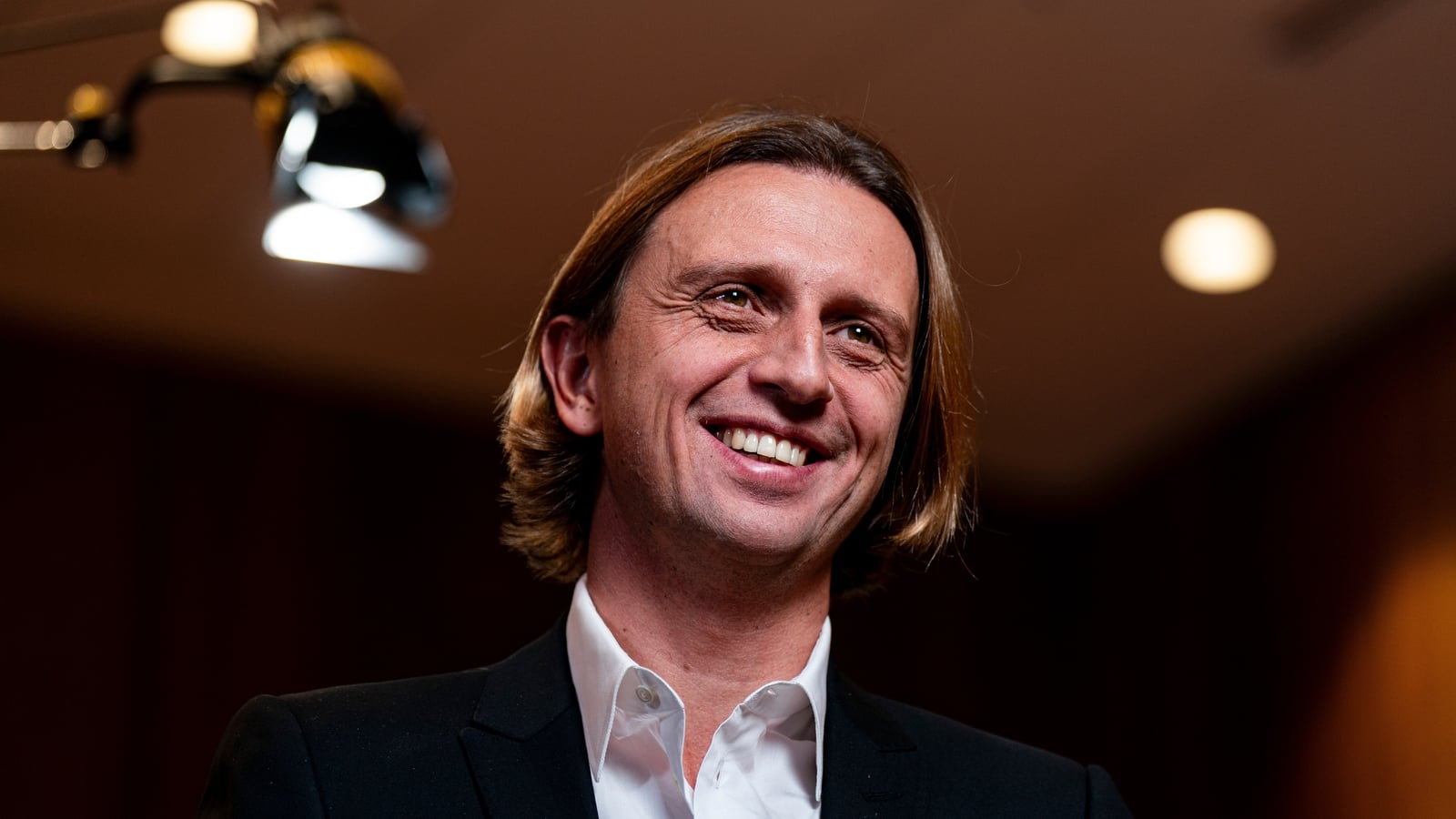
Elsewhere on the Rich List, entrepreneurs with blooming fortunes include Revolut co-founder Nikolay Storonsky with a wealth of £16.4 billion, taking him to seventh place and making him the biggest riser of 2026. His personal wealth has ballooned with average gains of £25.8 million a day since the previous year's list, driven by a fresh fundraise valuing Revolut at around 75 billion dollars. Alex Gerko, the mathematician behind trading platform XTX Markets, is close behind Mr Storonsky on the list with an estimated wealth of £16 billion, featuring average daily gains of £19.9 million over the past year. Both Moscow-born entrepreneurs have publicly opposed Vladimir Putin’s invasion of Ukraine, renounced their Russian citizenship, and become UK nationals.
On the other hand, one of the biggest fallers on the list includes entrepreneur and inventor Sir James Dyson and his family, whose wealth is estimated to have dropped by £8.8 billion to £12 billion, putting them at 13th place. It follows a decline in revenues for the Dyson electricals giant, after being hit by higher tariffs on US imports under President Donald Trump’s policies.
Meanwhile, the latest research revealed an ongoing exodus of wealth from the UK following the Government’s non-dom crackdown and inheritance tax changes. One in six people and families who featured on the Rich List two years ago did not appear on the rankings, with researchers pointing to more home-grown British billionaires relocating to regions like Dubai and Monaco. Robert Watts, compiler of the Sunday Times Rich List, stated that many foreign billionaires who have been living in the UK have dropped out because they have moved away, and noted a sharp rise in the number of British nationals now resident in Dubai, Switzerland, and Monaco. Watts added that these two exoduses pose challenges for the UK economy and its public finances, questioning how much tax the Treasury will be able to extract from affluent Britons who have left the country.
Calls for reform have grown louder across Westminster. Some Labour MPs have urged the government to implement annual donation caps ranging between £100,000 and £500,000. Harry Quilter-Pinner, executive director of the IPPR, argued that Britain is witnessing the Americanisation of British politics and urged swift legislative intervention.
"The government should introduce a £100,000 annual cap now and bring it down over time, so that no individual can bankroll a political party simply because they are incredibly wealthy."
Harry Quilter-Pinner, Executive Director of the IPPR, via Caliber
Downing Street has been reluctant to introduce a cap amid opposition from some trade unions, which have expressed concern that restrictions could also affect their ability to make large political donations. The government has pledged to address concerns over the influence of mega-donors and has already introduced a £100,000 annual cap on donations from overseas voters.
Some Labour members are expected to raise the issue at the party's autumn conference, while proposals for a donation cap could be tabled when the government's current elections bill reaches the House of Lords this autumn.
How significant is this development?
Contribute your assessment to the aggregated reader sentiment ledger.
Frequently Asked Questions
Key questions answered in this reportWhat is the key development in: Billionaire donations to UK politics rise sharply over recent years?
Research reveals that political donations exceeding £1 million have surged dramatically in recent years, prompting growing calls for funding caps in Westminster.
Why is this Politics development significant for the UK?
This report covers critical events in our Politics beat. Independent reporting monitors related UK statements, regulatory shifts, and public responses as further verified details emerge.
How was this reporting corroborated and verified?
Newsarchy UK compiles and cross-references reporting from primary reporting from Sam Freedman | Substack and cross-checked wire reports. All coverage adheres to published editorial standards.
When was this report published?
This briefing was published on September 21, 2026 and is permanently cataloged in the Newsarchy UK Politics archives.