US mortgage rates jump past 7 percent as oil prices rise on Houthi attacks
American mortgage rates surged past the seven percent threshold, driven upward by escalating global energy costs and conflict in the Middle East.

- Core Development: American mortgage rates surged past the seven percent threshold, driven upward by escalating global energy costs and conflict in the Middle East.
- Beat Context: Categorized under Business with independent corroboration.
- Reporting Depth: 4 minute analytical read synthesized from verified newsroom sources.
American mortgage rates have surged past the seven percent threshold, driven upward by escalating global energy costs and dimming prospects for a rapid diplomatic resolution to the conflict in the Middle East. Borrowers across the United States are facing immediate financial pressure as financial markets react to renewed maritime attacks, tightening global crude supplies, and persistent inflationary pressures tied directly to the ongoing war.
According to data tracked by Mortgage Research Network, the average 30-year fixed-rate mortgage jumped to 7.23 percent, marking a significant increase over the previous day. Concurrently, the 15-year fixed mortgage rate climbed to 6.48 percent, the 30-year FHA mortgage rose to 6.67 percent, and the 30-year jumbo mortgage rate increased to 7.41 percent.
Media additions


Mortgage rates climbed sharply as investors realized that an early peace deal with Iran is unlikely, following stalled discussions on the fringes of the United Nations General Assembly. These borrowing costs are largely dictated by the yields on mortgage-backed securities. Bond purchasers grow wary of fixed-income assets during periods of warm inflation because rising prices erode the value of the returns those bonds deliver.
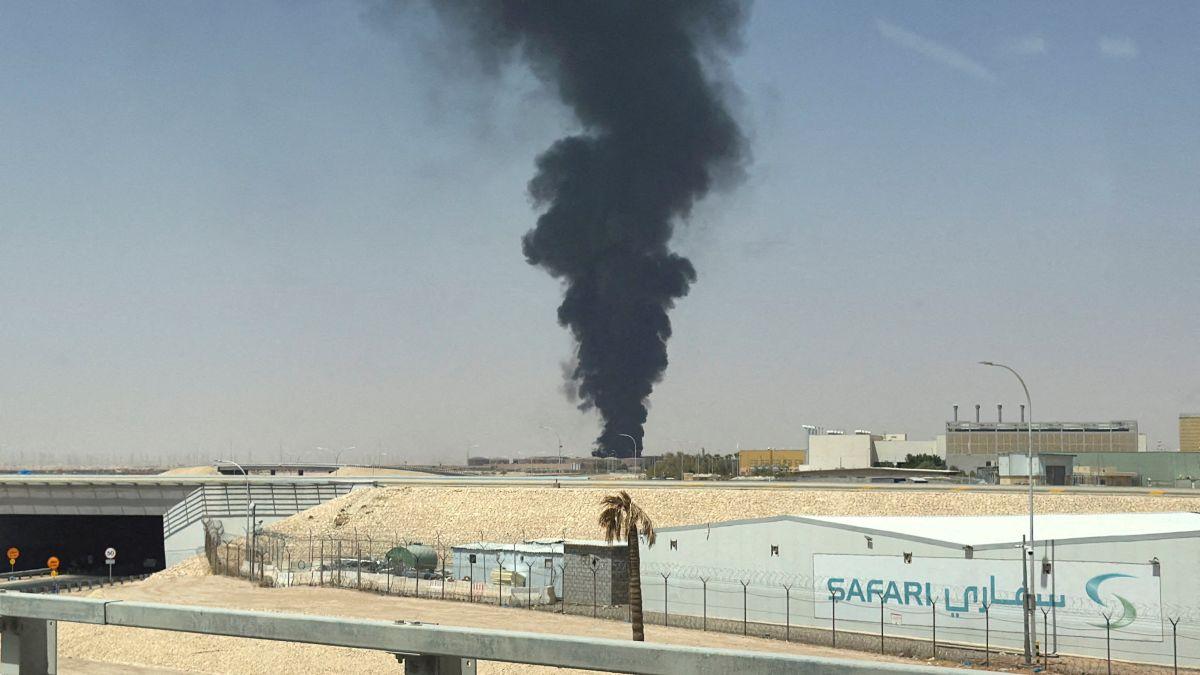
The spike in yields and borrowing costs is deeply intertwined with a severe supply squeeze in the global oil market. Brent crude rose past $106.50 a barrel, fueled by renewed attacks on Saudi facilities by Yemen's Houthi rebels, as reported by Yahoo Finance. The Houthis stated they launched missile and drone attacks on a sensitive target in Riyadh and state-run energy giant Aramco's facilities in the Red Sea city of Yanbu. Saudi-led coalition forces reported intercepting six ballistic missiles fired toward the kingdom.
The broader conflict, which involves US and Israeli military operations against Iran, has severely choked critical maritime energy corridors. Commercial vessel transits through the Strait of Hormuz dwindled to a fraction of their normal daily averages, while strategic petroleum reserves in the United States and globally have fallen to multi-decade lows. The U.S. Energy Information Administration noted that strategic crude inventories dropped to their lowest level since 1982.
Adding to the supply crisis, Saudi Arabia's crude oil production plunged to 6.24 million barrels per day in August, marking its lowest reported level since 1990, according to figures reported by the Middle East Monitor. Although the kingdom has attempted to reroute exports via its western infrastructure and the Red Sea port of Yanbu, Houthi maritime embargoes and attacks on tankers have severely disrupted loadings and forced shipping companies to alter routes or switch off tracking systems.
The kinetic escalation has triggered strong reactions from world leaders. As detailed by the GMA Network, flames and large plumes of smoke were observed near Riyadh's main airport following overnight alerts sent by Saudi civil defense authorities. The United Nations Security Council strongly condemned the Houthi military escalation and attacks against civilian and energy infrastructure in Saudi Arabia.
Meanwhile, CBS News reported that national transport costs have soared alongside crude prices, with the national average for a gallon of diesel nearing painful new thresholds. Economists warn that because diesel functions as an essential intermediate input across freight, rail, agriculture, and construction, its surging price migrates with a lag into core consumer goods and services.
The macroeconomic fallout has forced central banks to navigate treacherous waters. Tim Waterer, chief market analyst at KCM Trade, noted that critical supply routes remain vulnerable and that until there is clearer evidence of durable de-escalation, the upward pressure on prices will remain intact.
The acute pressures affecting the housing and energy sectors are reflected across multiple key financial and economic indicators:
| Indicator / Financial Metric | Current Level / Rate | Change / Trend |
|---|---|---|
| Average 30-Year Fixed Mortgage | 7.23% | Up 0.12% |
| Average 15-Year Fixed Mortgage | 6.48% | Up 0.15% |
| 30-Year FHA Mortgage | 6.67% | Up 0.15% |
| 30-Year Jumbo Mortgage | 7.41% | Up 0.12% |
| Brent Crude Oil Benchmark | $105.77 / barrel | Remains above $105 |
Market participants and prospective home buyers are now looking ahead to upcoming economic releases. Analysts note that tomorrow's final consumer sentiment index for September and the upcoming monthly jobs report will serve as critical determinants for whether mortgage rates sustain their upward trajectory or find temporary relief.
How significant is this development?
Contribute your assessment to the aggregated reader sentiment ledger.
Frequently Asked Questions
Key questions answered in this reportWhat is the key development in: US mortgage rates jump past 7 percent as oil prices rise on Houthi attacks?
American mortgage rates surged past the seven percent threshold, driven upward by escalating global energy costs and conflict in the Middle East.
Why is this Business development significant for the UK?
This report covers critical events in our Business beat. Independent reporting monitors related UK statements, regulatory shifts, and public responses as further verified details emerge.
How was this reporting corroborated and verified?
Newsarchy UK compiles and cross-references reporting from primary reporting from BBC and cross-checked wire reports. All coverage adheres to published editorial standards.
When was this report published?
This briefing was published on September 25, 2026 and is permanently cataloged in the Newsarchy UK Business archives.