US retail sales slowed to 0.2 percent in October as high prices weighed on shoppers
US retail sales growth slowed to 0.2% in October as persistent inflation and higher everyday expenses prompted shoppers to pull back on major purchases.
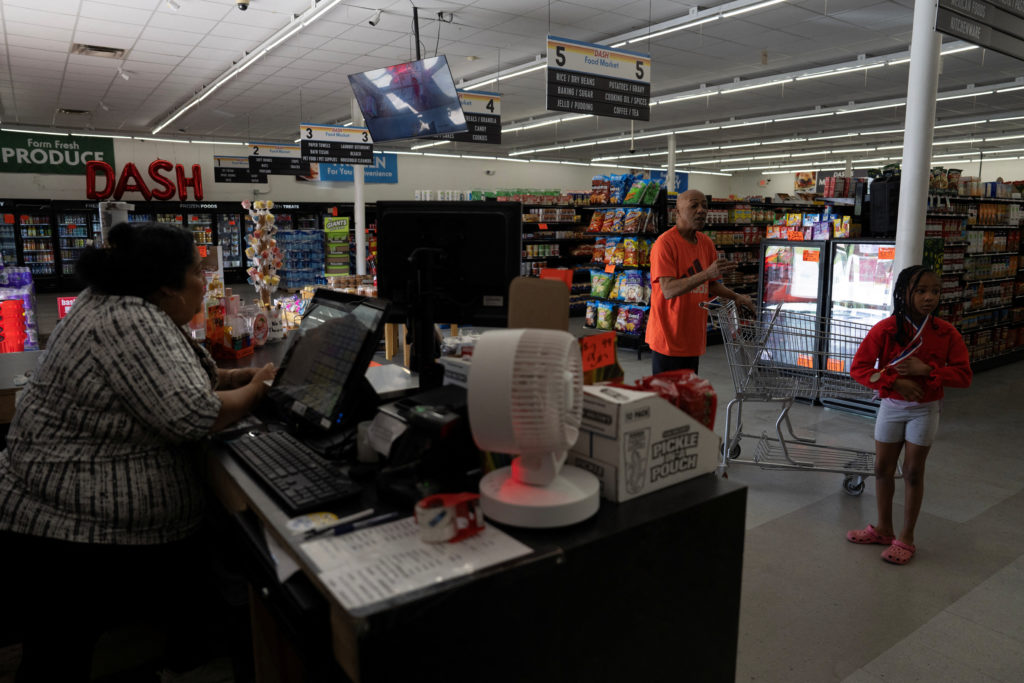
US retail sales growth cooled noticeably as economic uncertainty and persistent inflation prompted Americans to pull back on major purchases ranging from automobiles to clothing and home furnishings.
According to a Commerce Department report released Tuesday, overall retail sales rose 0.2%
in October, marking a significant slowdown from the gain recorded in September. The figures underscore a shifting consumer mindset as households face mounting pressure from higher everyday expenses.
Media additions

The deceleration was driven largely by a sharp pullback in car and truck purchases. Motor vehicle and parts dealers suffered a decline in sales, reversing gains seen the previous month. When excluding auto-related stores entirely, retail sales managed a slightly healthier increase.
Gas station receipts increased following an even larger spike in September, though when gas stations are stripped from the equation, retail sales rose by a negligible margin. Analysts pointed out that despite recent downward trends at the pump, fuel costs remain significantly elevated compared to the same period in the prior year.
Inflationary pressures continue to ripple across the broader economy, eating into purchasing power. Data released by the Labor Department showed that grocery prices increased again, adding further strain to household budgets. Additional price hikes were recorded across airfares, public transportation, and shipping services. At the same time, massive capital investments in artificial intelligence have driven up the cost of computer chips, lifting prices for consumer electronics such as laptops and mobile phones.
When adjusting for these rising prices, consumer spending actually turned negative, according to Heather Long, chief economist at Navy Federal Credit Union. Long wrote that October retail sales were tepid and that budgets are tight for many households. Long noted that while budgets remain tight, a projected drop in gas prices could offer some relief heading into the busiest shopping weeks of the year.
Sector Performance Breakdown
| Retail Sector | October Performance Trend |
|---|---|
| Motor Vehicles & Parts | Declined following gains in September |
| Online Retailers | Boosted by an early-month Amazon Prime Day event |
| Gas Stations | Recorded modest growth following a massive prior-month spike |
| Clothing & Furniture | Experienced lower business volume as shoppers trimmed discretionary purchases |
| Restaurants | Registered a slight increase in the lone tracked services category |
Discretionary categories saw widespread pullbacks. Business fell at clothing stores, furniture outlets, and home furnishing retailers. Sporting goods, musical instruments, books, and hobby shops also recorded lower sales after experiencing robust demand during the spring and summer months, when consumers frequently indulged in small treats.
Conversely, online retailers emerged as a notable bright spot, lifted by an early-October promotional event hosted by Amazon. The core control group—which strips out volatile segments like food services, autos, building materials, and gas stations to better reflect underlying economic growth—registered a solid gain.
Holiday Preparations and Credit Trends
With the Thanksgiving weekend approaching as the unofficial launch of the winter holiday shopping season, major national chains are ramping up promotional efforts centered around affordability. Retailers including Target, Walmart, and Kohl’s are heavily marketing lower-priced goods and exclusive gift collections. Target introduced thousands of new items priced below standard thresholds, while Kohl's expanded its assortment of packaged gift sets.
Despite rising borrowing costs, consumers have continued using credit cards to finance purchases. Data from credit reporting agency TransUnion indicates that outstanding credit card balances climbed over the past year, spread across millions of active accounts. However, serious delinquency rates have remained stable.
"More Americans are carrying credit cards than ever, and they’re handling them well,"
Charles Wise, Head of Global Research and Consulting at TransUnion, via The Globe and Mail
Wise added that these trends signal that consumers remain disciplined borrowers as they approach the end-of-year holidays.
Mall operators similarly express confidence. Stephen Lebovitz, CEO of CBL Properties, pointed to a resilient labor market as a key pillar supporting middle-class spending, bolstered further by strong attendance at movie theaters driven by younger demographics.


