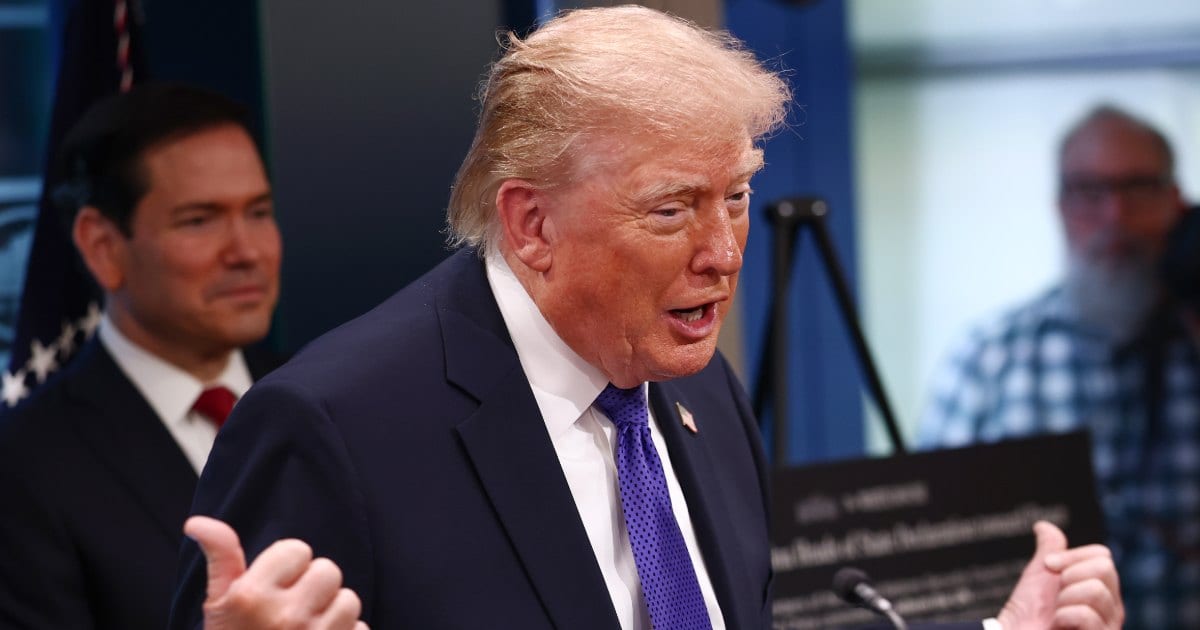
US Treasury Confirms Nvidia China Chip Export Policy Will Hold
US Treasury Secretary Scott Bessent announced that federal export policies governing advanced semiconductor sales to China will remain unchanged.
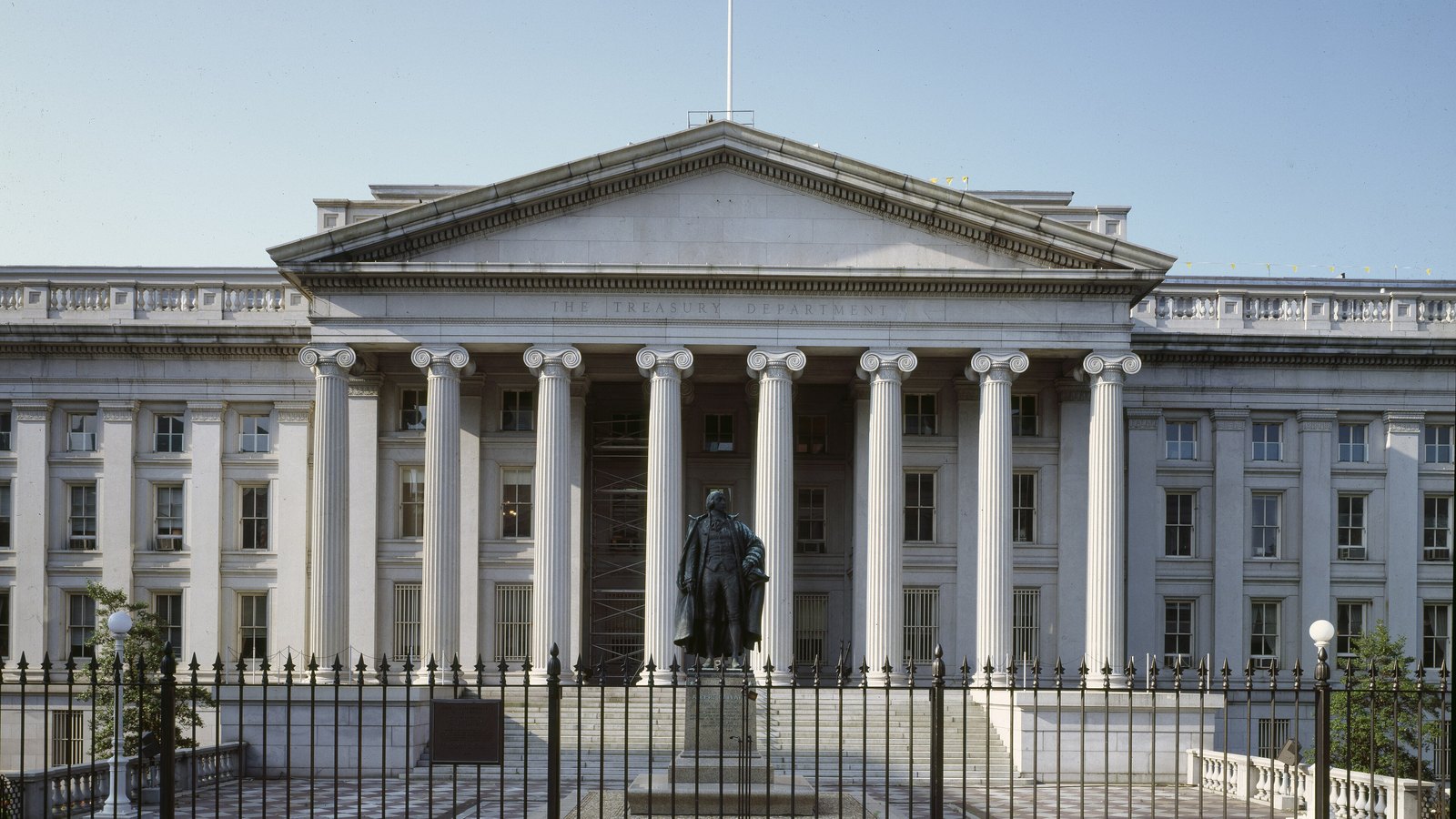
Federal export policies governing advanced semiconductor sales to China will remain unchanged, according to remarks delivered by US Treasury Secretary Scott Bessent on Friday, 20 November 2026, providing regulatory stability for hardware manufacturers and cloud infrastructure providers.
Speaking in Washington following diplomatic meetings in Asia alongside President Donald Trump, Bessent stated that existing thresholds regulating artificial intelligence processors are sufficient without requiring additional restrictions. The confirmation arrives amid intense scrutiny over international supply chains, congressional disclosures regarding historical export licenses, and recent executive departures within the semiconductor sector.
Media additions
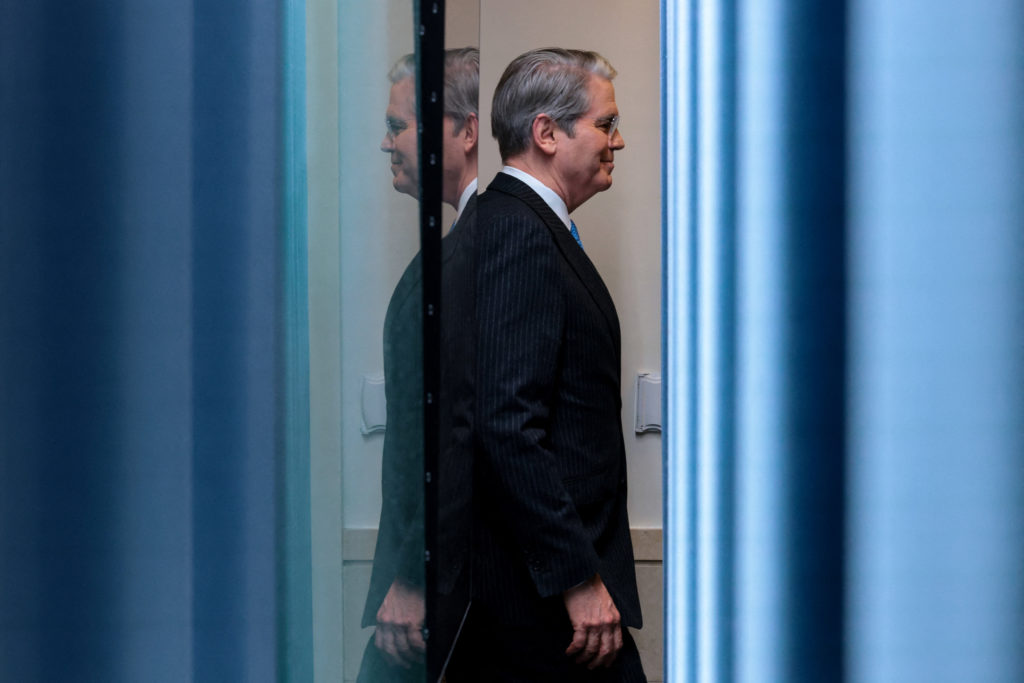

The regulatory foundation underpinning the current stance stems from an interim final rule published by the Commerce Department’s Bureau of Industry and Security (BIS) on Wednesday, 19 November 2026. Titled "Addressing Remote Access to Advanced Semiconductors," the rule amended export administration regulations by establishing a worldwide end-use licensing mandate for data centers that supply computing capacity to entities headquartered in restricted jurisdictions, including China and Macau. The measure addresses an enforcement gap where foreign organizations previously bypassed physical hardware embargoes by leasing high-performance computing power remotely through third-party facilities located in regions such as Southeast Asia and the Middle East.
Bessent emphasized to CNBC that approved shipments of Hopper-architecture accelerators—specifically the Nvidia H200—continue as planned under established BIS authorizations, provided buyers satisfy rigorous end-user verification protocols. While Nvidia disclosed that it had voluntarily stopped shipping H200 units to China despite possessing valid licenses, Bessent attributed the lack of deliveries to a paucity of orders from Chinese buyers attempting to develop domestic semiconductor stacks rather than any official reversal in federal trade policy.
Simultaneously, congressional committees brought public attention to the scale of historical licensing decisions. Formal disclosures released by Chairman Brian Mast of the House Foreign Affairs Committee on Thursday, 19 November 2026, revealed that the Commerce Department approved 21 export license applications authorizing 879,868 advanced AI processors for Chinese-tied entities through 11 May 2026. These figures encompass both Nvidia H200 accelerators and comparable AMD units selected from vendor requests exceeding 3.4 million total processors.
| Metric / Category | Reported Figure | Context & Source Attribution |
|---|---|---|
| Total Processors Requested | Over 3.4 million | Cumulative vendor applications from Nvidia and AMD tracked by the House Foreign Affairs Committee. |
| Total Processors Approved | 879,868 units | Authorizations across 21 BIS license applications through 11 May 2026 (Yahoo Finance). |
| Nvidia H200 Authorizations | 579,868 units | Approved Hopper-architecture processors for Chinese-tied entities (Casrai). |
| AMD Equivalent Authorizations | Roughly 300,000 units | AMD Instinct MI325X units included in committee disclosures (Casrai). |
| Nvidia Fiscal China Revenue | $19.7 billion | Total fiscal revenue including Hong Kong, representing approximately 9% of total earnings (Yahoo Finance). |
The release of these licensing figures coincided with high-profile corporate upheaval at Nvidia, highlighted by the resignation of chief executive Jensen Huang amid investigations into intermediary supply routes linked to Megaspeed International, a Singapore-based computing firm suspected of diverting restricted hardware. While President Trump publicly stated during a White House press conference that he discussed Huang with Chinese leader Xi Jinping and expressed a desire to see the executive given a second chance, Bessent maintained that Huang was not raised during his own departmental talks with Chinese officials.
Disagreements among administration officials have also surfaced regarding interagency coordination. Earlier friction involved Bessent expressing frustration toward Commerce Secretary Howard Lutnick regarding alleged delays in placing restrictive measures on intermediary entities. Despite these public policy debates, Trump voiced strong support for Lutnick's business instincts, and administration representatives affirmed a unified commitment to executing presidential directives regarding technology controls.
Market analysts monitoring business coverage noted that semiconductor equities experienced downward pressure following the developments, with Nvidia's market capitalization shifting amid broader sector declines. Concurrently, state-level legal inquiries continue as the California Attorney General issued subpoenas to investigate whether the company's operational practices permitted restricted technology access or misled investors regarding its Chinese business relationships.
Stakeholders across the technology and academic sectors face immediate operational adjustments following the regulatory updates:
- Academic and high-performance computing centers providing remote cluster access exceeding the 12 million aggregate TPP threshold must implement strict identity verification protocols for external users.
- Research institutions must audit cloud compute procurement to ensure foreign facilities in newly regulated destinations maintain proper BIS exclusions.
- Data centers delivering compute capacity above controlled thresholds to covered entities must navigate compliance workflows under the newly enacted interim final rule.
Regulatory oversight will intensify in the coming weeks. The Commerce Department has established a 60-day public comment period on the interim final rule running until Monday, 19 January 2027, allowing academic institutions and manufacturers to seek administrative guidance. Additionally, data centers have a 90-day transition window to file necessary export licenses or adjust tenant arrangements, while the Senate Banking Committee and House Foreign Affairs Committee have scheduled congressional hearings for December 2026 to examine supply chain security and interagency licensing protocols.