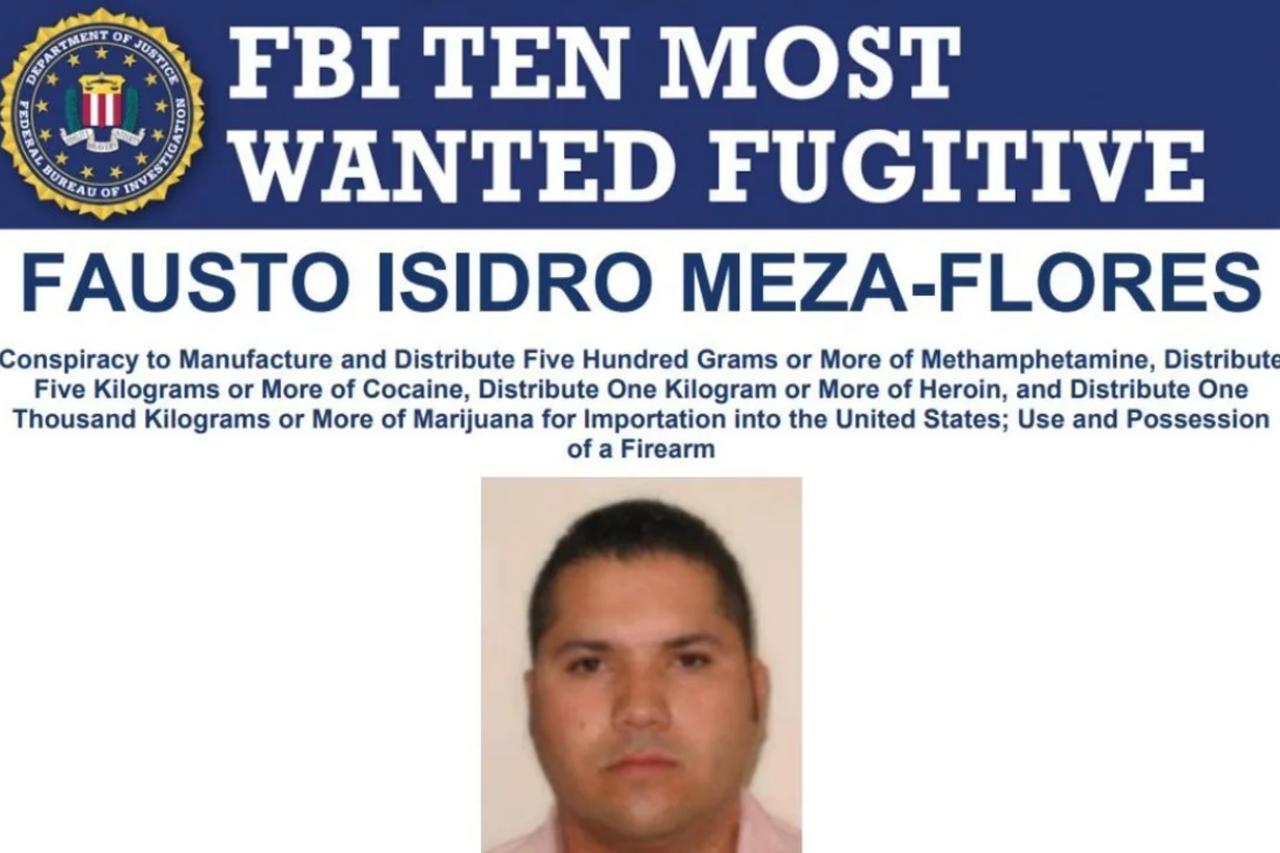
Mexico detains cartel boss El Chapo Isidro, triggering deadly violence in Sinaloa
The military arrest of top fugitive El Chapo Isidro in Sinaloa triggered a deadly wave of retaliatory violence and roadblocks across the region.
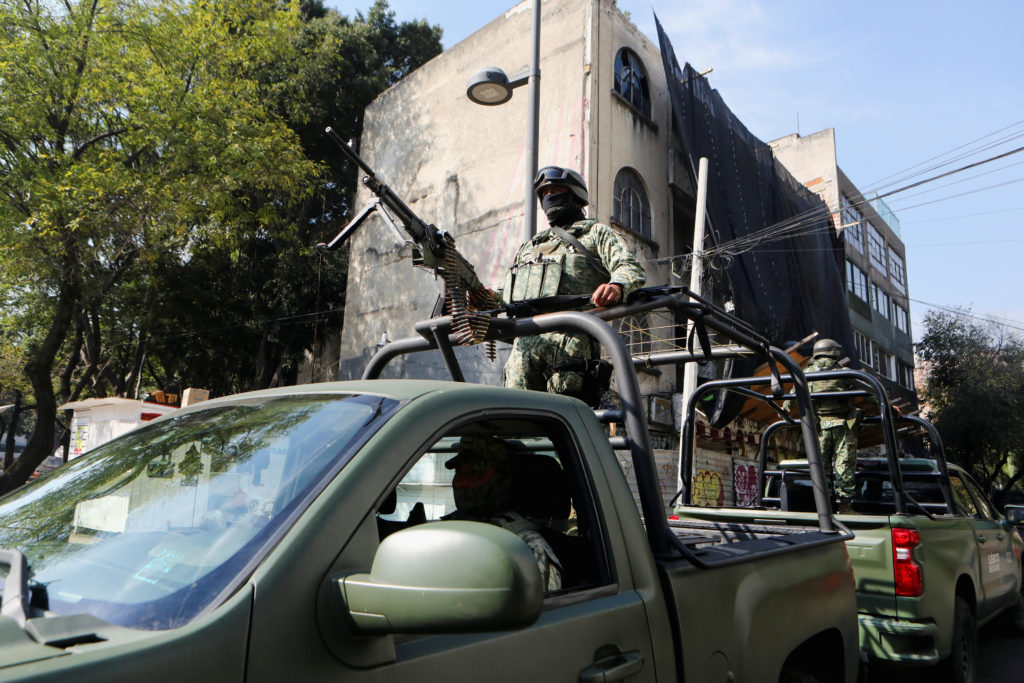
The arrest of a major drug lord by Mexican security forces unleashed a deadly wave of retaliatory unrest across Sinaloa state, testing the government's security strategy amid intense pressure from Washington.
Fausto Isidro Meza Flores, widely known as "El Chapo Isidro" and identified as one of the FBI's 10 most wanted fugitives, was captured during a heavy military raid on Friday night. The operation took place in Guasave, an agricultural municipality in northwestern Mexico. According to reports from the Mexican Defense Cabinet, the ensuing firefight resulted in the deaths of seven alleged cartel gunmen and four Mexican soldiers.
Media additions

Meza Flores rose through the criminal ranks to lead the Beltrán Leyva cartel before establishing his own network, the Meza-Flores Transnational Criminal Organization. U.S. Federal indictments accused him of directing large-scale importations of heroin, methamphetamine, cocaine, and marijuana into the United States. The FBI maintained a bounty on his capture, and authorities confirmed he was wanted for multiple counts of drug trafficking and firearms violations.
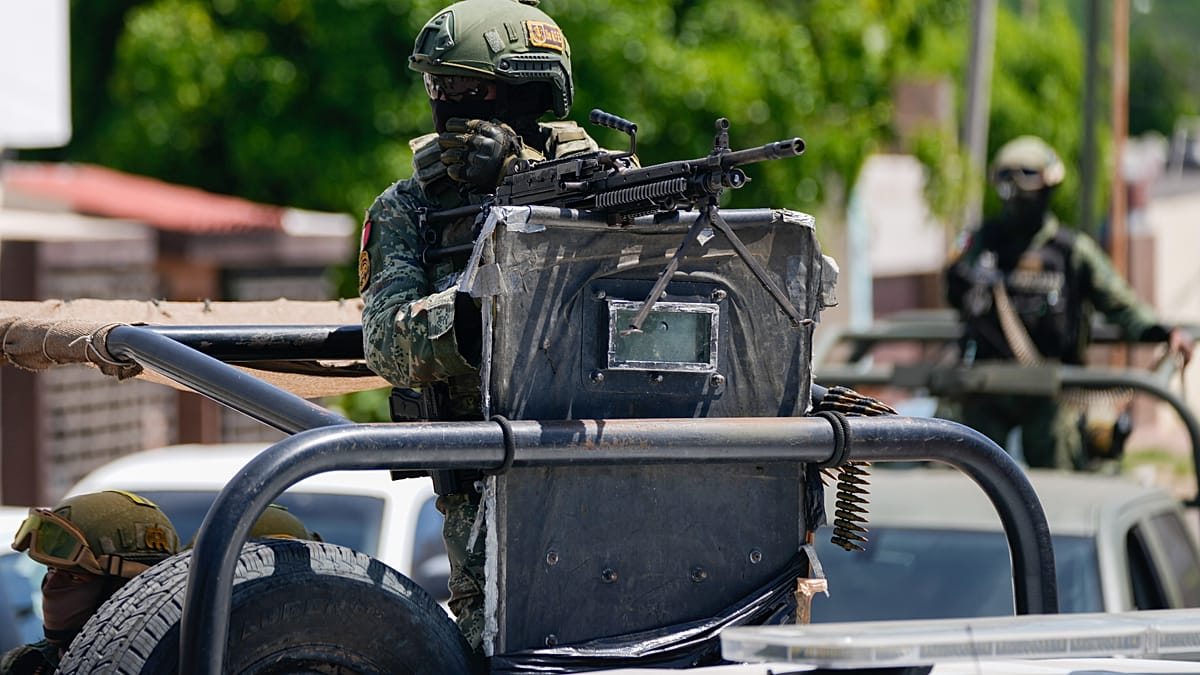
Mexican authorities stated that elite military and National Guard special forces utilized stealth and surprise to secure the perimeter around the building where Meza Flores was located. Suspected cartel operatives responded with heavy gunfire and explosives. Low-flying military helicopters and drones circled overhead, spraying bullets toward the ground as chaos enveloped the municipality.
The violence abruptly interrupted public events, including a professional baseball game between the Algodoneros de Guasave and Venados de Mazatlán at Kuroda Park. Panic swept through the stadium as players and spectators scrambled for the dugouts and exits amid echoing gunshots.
| Operation Detail | Reported Fact |
|---|---|
| Target | Fausto Isidro Meza Flores ("El Chapo Isidro") |
| Location | Guasave, Sinaloa, Mexico |
| Date of Raid | Friday, November 20, 2026 |
| Casualties | 4 Mexican soldiers and 7 alleged cartel gunmen killed |
| Extraction Time | Approximately 4:00 a.m. Saturday, November 21, 2026 |
Retaliatory actions by criminal elements paralyzed the region. Gang members established at least ten roadblocks using burning trucks and cargo vehicles across Guasave's streets to prevent the immediate extraction of the high-value prisoners. Local firefighters took shelter inside their station as convenience stores, businesses, and vehicles burned throughout the municipality.
Because of the intense armed resistance, elite units were unable to evacuate Meza Flores until early Saturday morning, when he was flown by aircraft to Mexico City to face federal prosecutors.
The apprehension highlights the complex dynamics of cross-border security cooperation. Mexico's government acknowledged that intelligence provided by the United States contributed to locating the fugitive. U.S. President Donald Trump has repeatedly exerted pressure on Mexican President Claudia Sheinbaum's administration to crack down aggressively on organized crime syndicates.
U.S. And Mexican officials praised the operation as a major tactical victory. Ambassador Ronald Johnson commended the joint efforts on social media, while the Drug Enforcement Administration issued a statement emphasizing the role of intelligence sharing in disrupting fentanyl trafficking networks. Secretary García Harfuch described the detention as an essential step toward pacifying the troubled state.
Independent security analysts offered a more cautious assessment of the long-term implications. David Saucedo argued that the government continues to rely on the traditional kingpin strategy, which targets top leadership without dismantling the underlying criminal infrastructure, network of hitmen, and financial connections. Observers warn that removing high-profile capos often exacerbates internal power struggles, pointing to the ongoing conflict between warring factions in the region, including the Los Mayos faction of the Sinaloa Cartel.
Security forces remain deployed across Sinaloa to protect civilians as an uneasy calm settles over Guasave. Future developments will depend on the formal extradition proceedings in Mexico City and whether regional cartels attempt to fill the leadership vacuum left by the detentions.