US Treasury Yields Hit Multi-Year Highs: ETFs to Gain
U.S. Treasury yields have surged to their highest levels in nearly two decades, driven by escalating energy prices and monetary policy expectations.

U.S. Treasury yields have surged to their highest levels in nearly two decades, driven by escalating energy prices and mounting expectations of tighter monetary policy. As reported by Yahoo Finance, the 10-year Treasury yield climbed to 5.04%, marking its highest peak since 2007, while the 30-year yield reached 5.39%. This dramatic shift in the debt markets has rippled across global equities and currencies, forcing a rapid reassessment of investment strategies in fixed-income and exchange-traded funds.
The sudden spike in yields comes as crude oil prices remain elevated above $100 a barrel, compounding fears that consumer inflation will stubbornly outpace central bank targets. According to The Economic Times, global stock indices faced downward pressure as the benchmark 10-year note climbed toward multi-year highs. The broader economic implications extend directly to consumer borrowing, increasing financing expenses for mortgages, auto loans, and corporate debt throughout the economy.
Media additions

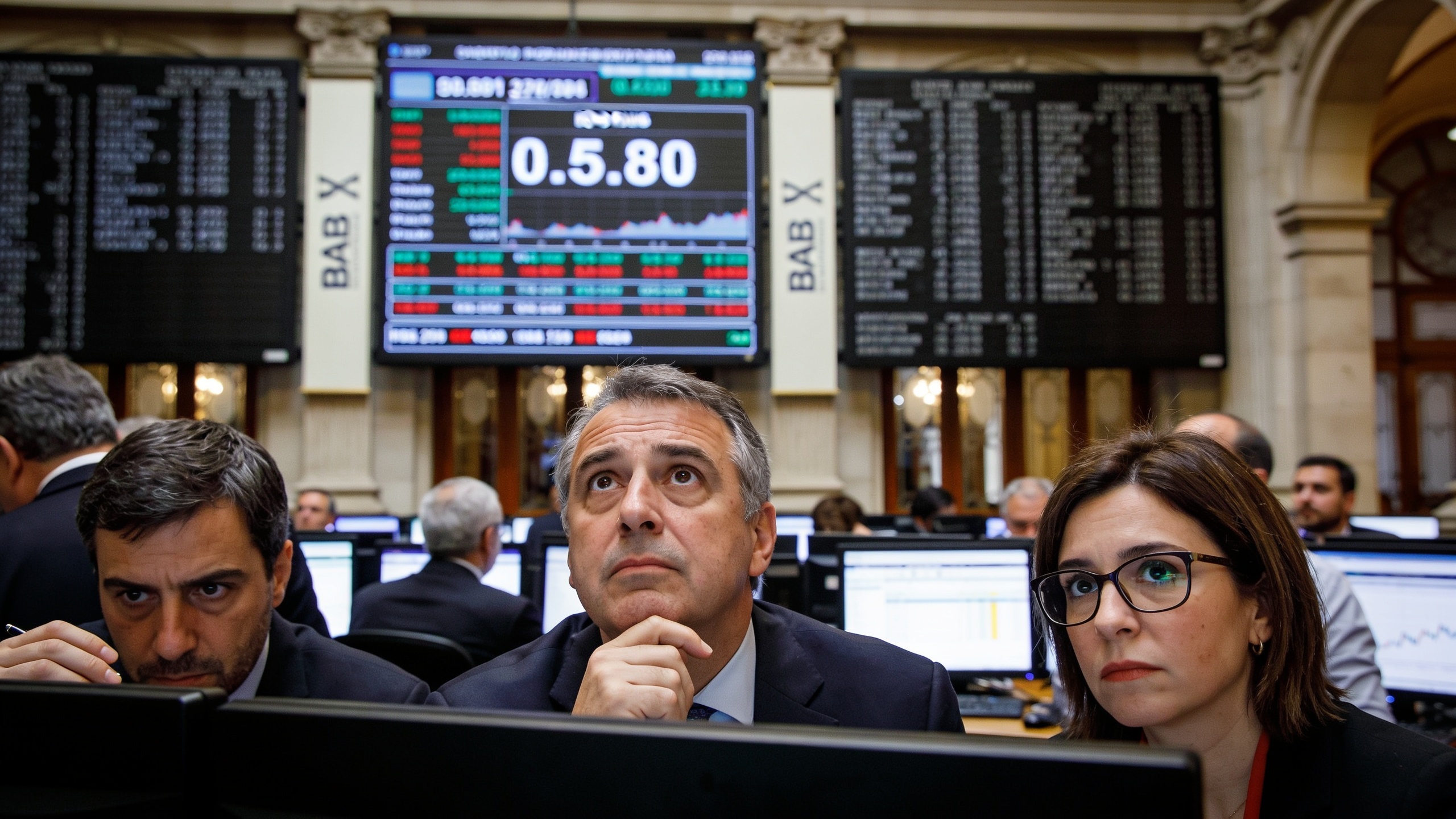

| Fixed-Income Asset / ETF | Category | Approximate Annual Yield |
|---|---|---|
| Virtus Seix Senior Loan ETF (SEIX) | Senior Loans | 7.05% |
| Invesco Global Short Term High Yield Bond ETF (PGHY) | Short-Term Debt | 7.15% |
| iShares Floating Rate Bond ETF (FLOT) | Floating Rate | 4.34% |
| Invesco Senior Loan ETF (BKLN) | Senior Loans | 6.41% |
| Fidelity Low Duration Bond Factor ETF (FLD) | Short-Duration | 4.21% |
The tightening cycle has not been confined to domestic shores. As detailed by Trading News, foreign exchange markets have contended with a widening policy gap and aggressive central bank maneuvers. The Bank of Japan prepared for a generational policy shift toward a 31-year high interest rate, while the Japanese Ministry of Finance intervened heavily to defend the yen against sharp depreciation driven by the widening interest rate differential with the United States.
Concurrently, fiscal pressures have surfaced in other developed nations. In the United Kingdom, official labor and inflation statistics triggered intense debate regarding public finances and state entitlements. As outlined in comprehensive reports on Yahoo News, government borrowing costs climbed to fresh multi-decade highs after data confirmed that the state pension triple lock would rise by 3.9%, threatening to push millions of retirees into income tax brackets for the first time.
The convergence of geopolitical instability in the Middle East, surging diesel and crude prices, and heavy government debt issuance has forced portfolio managers to pivot away from growth-heavy equities. Asset allocation surveys cited by Russpain indicate that a disorderly jump in bond yields has overtaken artificial intelligence valuation bubbles as the primary concern for institutional investors across Europe and North America.
Market participants seeking shelter from capital erosion are increasingly eyeing specialised financial instruments. In response, analysts recommend senior loan exchange-traded funds and floating-rate bonds, whose coupon payments reset periodically to neutralise interest rate risk. Conversely, inverse real estate and utility funds have gained traction among traders betting against rate-sensitive sectors.
What happens next depends heavily on upcoming central bank policy announcements, impending inflation readings, and potential interventions in sovereign debt markets. Analysts will monitor upcoming Federal Reserve statements for guidance on the terminal rate, while traders keep a close watch on Treasury debt repurchase operations designed to alleviate persistent supply pressures in the secondary bond market.