Gold slips as global banks diverge on bullion amid Fed uncertainty
Gold prices have slipped as investors weigh shifting Federal Reserve policy and conflicting outlooks from global financial institutions. The market remains volatile as participants monitor interest rate expectations and central bank demand.
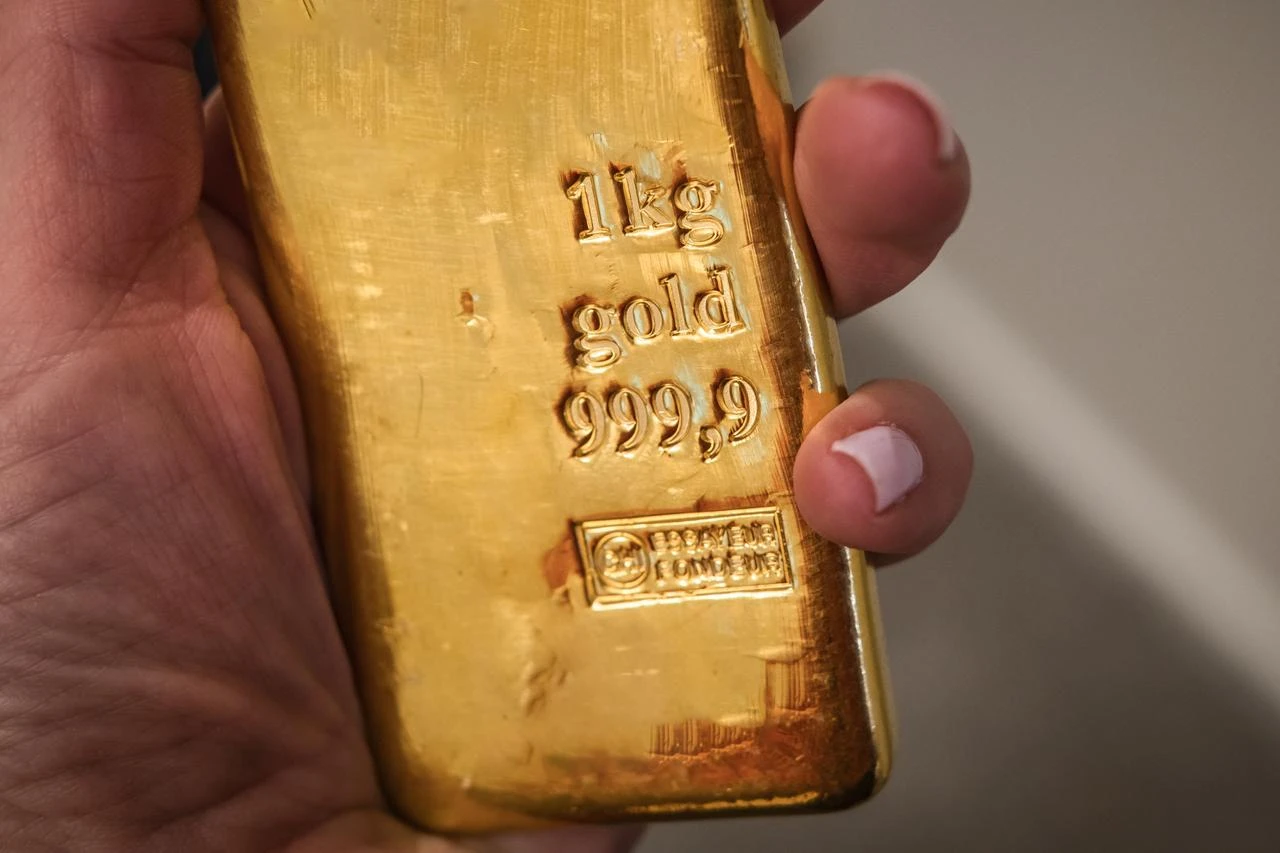
- Core Development: Gold prices have slipped as investors weigh shifting Federal Reserve policy and conflicting outlooks from global financial institutions. The market remains volatile as participants monitor interest rate expectations and central bank demand.
- Beat Context: Categorized under Cost of Living with independent corroboration.
- Reporting Depth: 3 minute analytical read synthesized from verified newsroom sources.
Gold prices saw a downward shift on Monday, retracting after reaching a peak in late June. As investors navigate the implications of a strengthened U.S. Dollar and evolving signals from the Federal Reserve, the precious metal has faced renewed pressure, trading at levels distinct from the highs observed only weeks prior. This movement reflects a broader divergence among global financial institutions regarding the future trajectory of bullion, as analysts attempt to reconcile shifting interest rate expectations, central bank purchasing trends, and changing investor demand.
The current market climate remains heavily influenced by the U.S. Monetary policy outlook. Following the most recent Federal Reserve meeting, where benchmark rates were maintained at 3.50% to 3.75%, Chair Kevin Warsh has emphasized that future policy will remain data-dependent. While early July comments from Warsh at an international forum suggested some easing of inflation risks, market participants are now looking to forthcoming Federal Open Market Committee minutes to clarify whether the central bank will maintain a hawkish stance or pivot toward a more dovish approach. The potential for further rate hikes — or a hold at current levels — remains a core factor in the pricing of non-yielding assets like gold.
Media additions


Investment banks are notably split on where gold prices are heading by the end of 2026:
| Institution | Forecast |
|---|---|
| Morgan Stanley / UBS | Up to $5,200 an ounce |
| Goldman Sachs | $4,900 an ounce |
| Bank of America / Deutsche Bank | $4,800 an ounce |
| JPMorgan | $4,500 an ounce |
The situation in the United Kingdom presents a parallel landscape of uncertainty. The Bank of England recently held the Bank Rate at 3.75%, a decision that followed a period of debate among policymakers. With UK headline inflation at 2.8%, interest rate forecasts remain deeply divided; while some economists anticipate a period of stability, others warn of the potential for further hikes should second-round inflation effects emerge. For homeowners, this uncertainty has direct consequences for the cost of living, as mortgage rates are heavily influenced by market expectations and swap rates, which have fluctuated alongside global geopolitical shifts.
Andrew Bailey, speaking at the Reykjavík Economic Conference, noted that while the current approach involves tolerating temporarily above-target inflation to support the real economy, this flexibility is not guaranteed. As households navigate these pressures, experts suggest that borrowers consider reviewing their options, as mortgage rates can shift rapidly based on broader economic data, even in the absence of a formal change to the Bank Rate.
The broader commodities complex has also felt the effects of this shifting environment. Brent crude and U.S. Benchmark WTI have remained under pressure, as improved production targets and increased tanker traffic have helped stabilize energy markets. For investors, the coming weeks will be defined by the synthesis of domestic earnings reports and the Federal Reserve’s updated communications. With market volatility remaining elevated, participants are closely monitoring the interplay between currency strength and geopolitical stability to determine whether the recent downward pressure on precious metals will persist or if the conditions for a rebound, driven by central bank demand and reserve diversification, will re-emerge.
What to watch next
- Federal Reserve Minutes: Market attention is fixed on this week’s release of the Federal Open Market Committee minutes to gauge the consensus among policymakers regarding interest rates.
- UK Mortgage Market: With the Bank of England’s next meeting scheduled for 30 July 2026, borrowers remain focused on whether lenders will continue to adjust fixed-rate products in response to cooling swap rates.
- Economic Data: Investors are preparing for the start of the second-quarter earnings season and further analysis of U.S. Payroll figures, which are viewed as critical catalysts for near-term market direction.
How significant is this development?
Contribute your assessment to the aggregated reader sentiment ledger.
Frequently Asked Questions
Key questions answered in this reportWhat is the key development in: Gold slips as global banks diverge on bullion amid Fed uncertainty?
Gold prices have slipped as investors weigh shifting Federal Reserve policy and conflicting outlooks from global financial institutions. The market remains volatile as participants monitor interest rate expectations and central bank demand.
Why is this Cost of Living development significant for the UK?
This report covers critical events in our Cost of Living beat. Independent reporting monitors related UK statements, regulatory shifts, and public responses as further verified details emerge.
How was this reporting corroborated and verified?
Newsarchy UK compiles and cross-references reporting from primary reporting from linkedin.com and cross-checked wire reports. All coverage adheres to published editorial standards.
When was this report published?
This briefing was published on July 6, 2026 and is permanently cataloged in the Newsarchy UK Cost of Living archives.