Right to Buy policy blamed for decades of UK social housing decline
Decades of public housing sales under the Right to Buy scheme have left over 1.3 million households on waiting lists. New government measures now seek to address this systemic decline and reform landlord practices.

- Core Development: Decades of public housing sales under the Right to Buy scheme have left over 1.3 million households on waiting lists. New government measures now seek to address this systemic decline and reform landlord practices.
- Beat Context: Categorized under Cost of Living with independent corroboration.
- Reporting Depth: 3 minute analytical read synthesized from verified newsroom sources.
For decades, the United Kingdom has grappled with an intensifying housing shortage that has fundamentally reshaped the nation’s social landscape. While recent public discourse has often fixated on the use of council-managed properties for asylum seekers, researchers and housing advocates point to a much older, structural origin: the aggressive dismantling of public housing systems starting in 1980.
The introduction of the Right to Buy policy marked a significant turning point. Under this scheme, tenants were enabled to purchase council-owned properties at discounts ranging from 33 to 50 percent. Because the policy was compulsory, local authorities were stripped of their discretion to pause sales, even in areas facing acute local need. Over time, approximately 2.8 million council homes were sold off. By 2022, the replacement ratio in England had plummeted to roughly one new home built for every five sold, a trend that critics argue was exacerbated by central government restrictions that prevented local authorities from reinvesting capital receipts into new housing stock.
Media additions

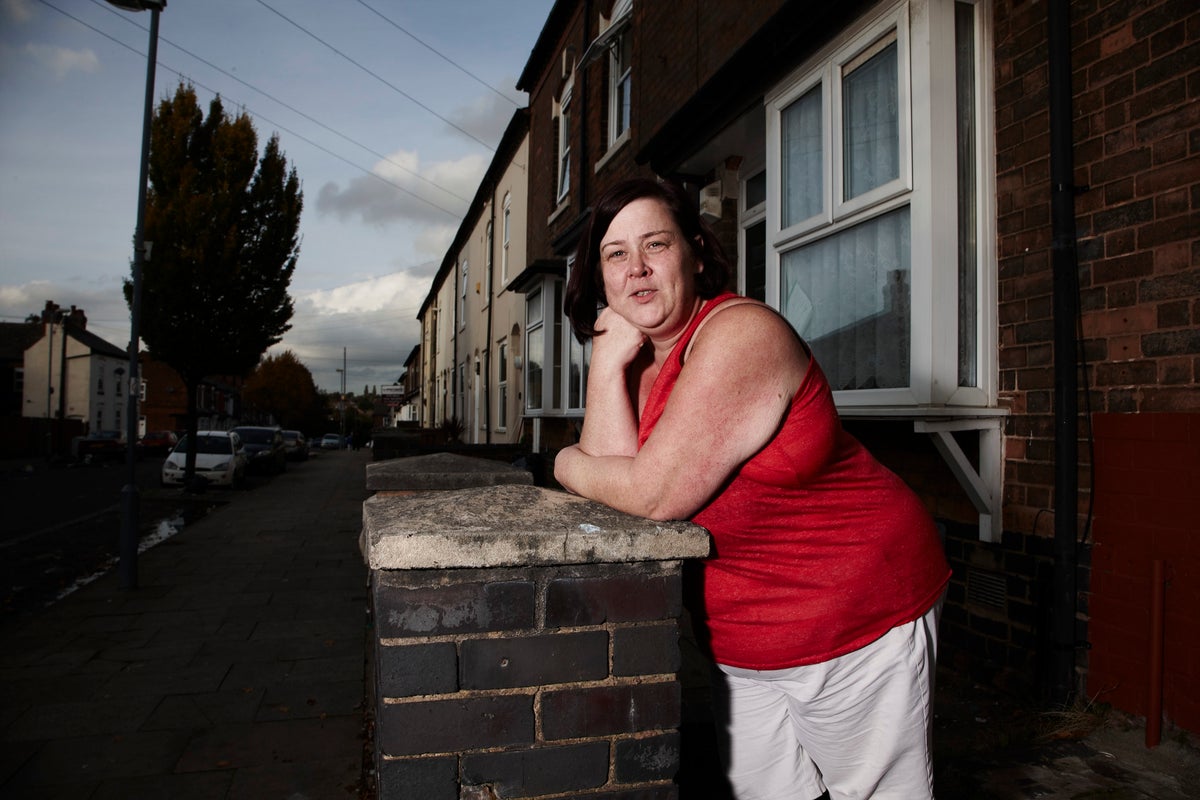

The Roots of Stigma
The decline in social housing supply triggered a process known as residualisation. Once a mainstream, aspirational tenure for nurses, tradespeople, and clerks in the post-war era, social housing increasingly became a restricted "safety net" for the most vulnerable. This demographic shift has been accompanied by a persistent social stigma, which researchers and housing associations—including the G15 group of London-based providers—argue is actively perpetuated by media portrayals. Programmes such as Benefits Street and Benefits Britain have been widely criticised for promoting stereotypes that associate social housing residents with welfare dependency and criminality.
According to findings from the G15, which represents the city’s largest housing associations, almost half of social housing residents report having experienced prejudice or discrimination because of their housing status. This stigma permeates daily life, influencing interactions with landlords, financial institutions, the police, and even affecting employment and dating prospects. The G15 asserts that such negative narratives act as a barrier to social mobility and community cohesion, treating residents as "second-class citizens" rather than active members of the social and economic fabric.
Policy and Management
Industry observers and documentary filmmakers have noted that the situation was compounded by the treatment of housing as an investment asset rather than essential infrastructure. Over the years, billions of pounds in capital receipts from property sales were frequently diverted to repay debt or returned to the Treasury, rather than being used to address the national waiting list, which now exceeds 1.3 million households.
Reliance on private market solutions has also drawn criticism. High-profile projects, such as the Battersea regeneration scheme, saw their initial pledges for affordable units reduced significantly, with remaining units contingent on future "financial viability." Activists suggest these outcomes reflect an ideological shift that prioritised private profit and land banking over the state’s historical responsibility to provide secure, long-term rentals.
Legislative Paths and Future Outlook
The current government has signalled a policy pivot, with a manifesto commitment to build 1.5 million homes over five years and a stated focus on protecting the existing social rental stock. Ongoing legislative efforts, led by deputy Prime Minister Angela Rayner, include the renters’ rights bill. Key measures within this bill aim to address systemic vulnerabilities:
- Abolition of Section 21: Ending "no-fault" evictions, which resulted in nearly 26,000 households facing homelessness last year alone.
- Ending Discriminatory Practices: Making it illegal for landlords to refuse tenants based on the receipt of benefits or the presence of children.
- Tenant Empowerment: Providing mechanisms to challenge unfair rent hikes and restricting "rental bidding wars."
As these legislative changes move through Parliament, the industry is calling for a fundamental change in the national narrative. Housing advocates and local authority representatives argue that the focus on temporary flashpoints, such as the housing of asylum seekers, distracts from the deeper history of policy neglect. Future scrutiny will focus on whether new housing targets prioritise genuine social rent levels, how local authority budgets will be supported to rebuild, and the extent to which the new legislation can effectively check landlord behaviour in the private sector.
How significant is this development?
Contribute your assessment to the aggregated reader sentiment ledger.
Frequently Asked Questions
Key questions answered in this reportWhat is the key development in: Right to Buy policy blamed for decades of UK social housing decline?
Decades of public housing sales under the Right to Buy scheme have left over 1.3 million households on waiting lists. New government measures now seek to address this systemic decline and reform landlord practices.
Why is this Cost of Living development significant for the UK?
This report covers critical events in our Cost of Living beat. Independent reporting monitors related UK statements, regulatory shifts, and public responses as further verified details emerge.
How was this reporting corroborated and verified?
Newsarchy UK compiles and cross-references reporting from primary reporting from linkedin.com and cross-checked wire reports. All coverage adheres to published editorial standards.
When was this report published?
This briefing was published on July 9, 2026 and is permanently cataloged in the Newsarchy UK Cost of Living archives.