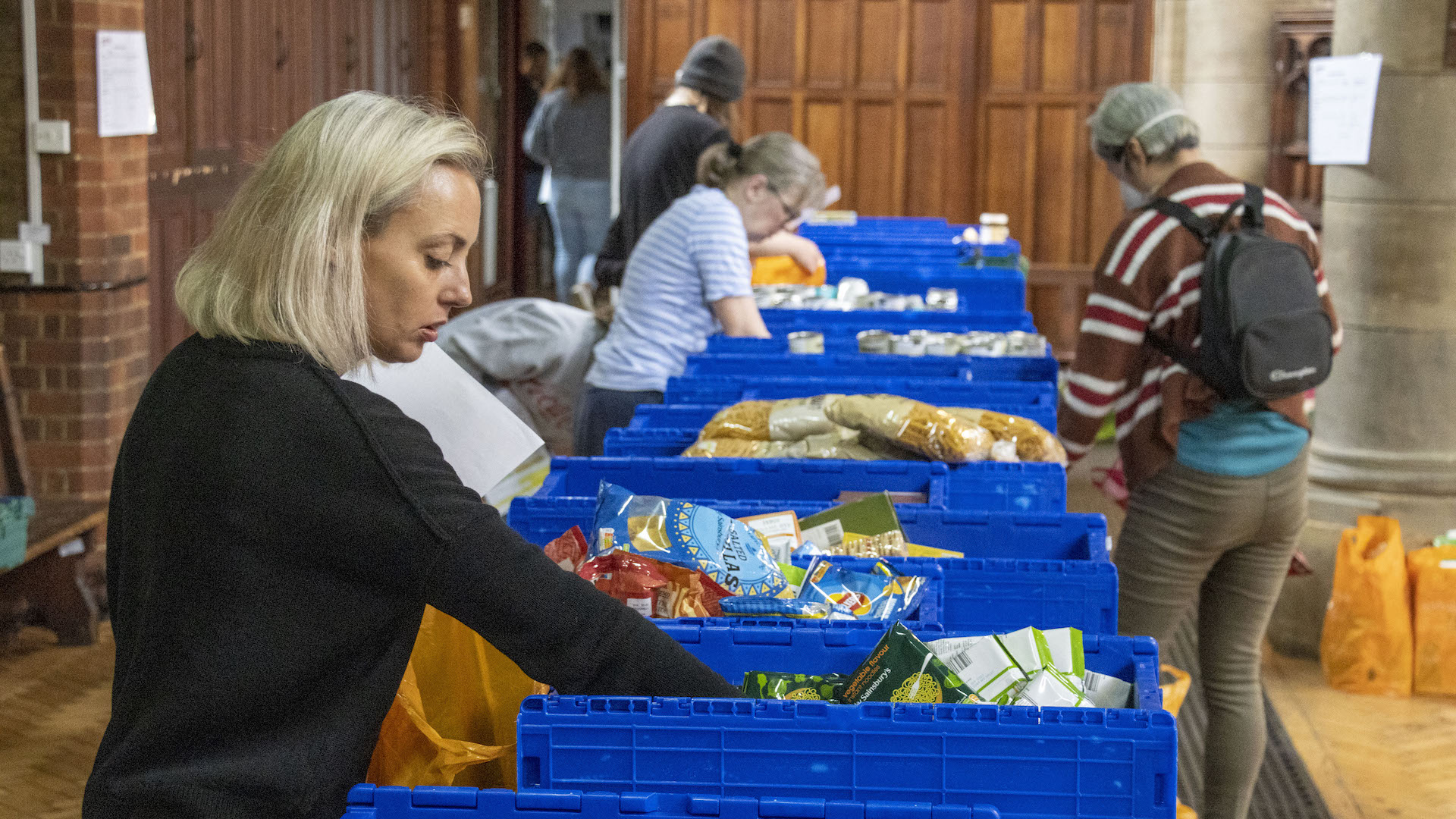
Food bank demand remains high despite falling inflation rates
While official inflation statistics show slowing price growth, food banks report record-breaking demand as households struggle with persistent costs and funding cuts.
- Core Development: While official inflation statistics show slowing price growth, food banks report record-breaking demand as households struggle with persistent costs and funding cuts.
- Beat Context: Categorized under Cost of Living with independent corroboration.
- Reporting Depth: 4 minute analytical read synthesized from verified newsroom sources.
Rising demand amid easing inflation
Official figures show price growth slowing, yet food‑bank queues are growing in both Britain and the United States. On 20 March the Office for National Statistics reported inflation at a two‑year low of 3.4 percent in February, with food inflation at 5 percent. The same data noted that food price growth had peaked at 19.2 percent in March 2023, the highest annual rate in more than 45 years.
For charities on the front line, the headline dip does not translate into relief. Charlotte White, a former food‑bank manager, told the Big Issue that “any reduction in costs is going to be welcome” but “the state of the situation is so severe that I don’t think it’s going to make a huge amount of difference.” She described a shift from “one or two people … in absolute crisis” to “10 to 15 households … every week” arriving with no food for days.
Media additions

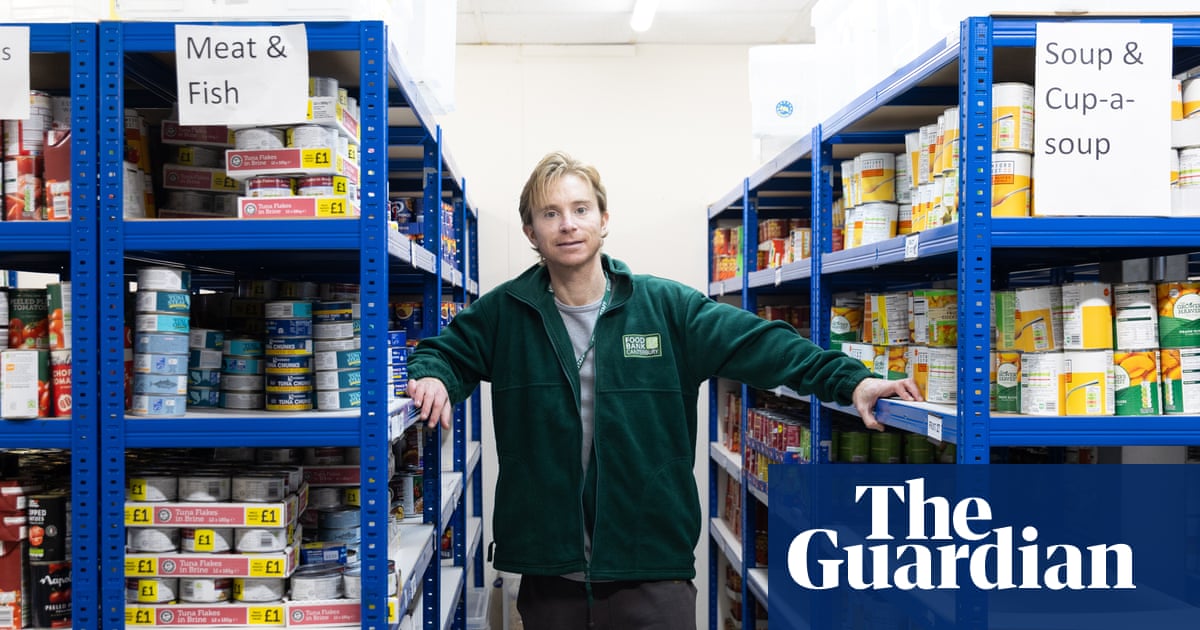
Sabine Goodwin, director of the Independent Food Aid Network, warned that the latest ONS numbers “do not mean goods are getting cheaper.” She said IFAN’s data “represents the tip of the iceberg” and that “large numbers of households have built up debt, cost of living payments have been removed and … the household support fund has been extended temporarily,” all of which “will continue to drive demand for food banks.”
Helen Barnard of the Trussell Trust confirmed the surge in the charity’s own reporting: 1.5 million emergency food parcels were handed out between April and September 2023, a 16 percent rise on the same period in 2022 and the highest total ever recorded at that point in the year.
Why prices stay high
Even as inflation eases, retail food costs remain near multi‑year highs. The Energy and Climate Intelligence Unit (Eciu) warns that “once prices are up, they’re up,” citing a “rocket and feathers” pattern where spikes from shocks linger for years. Their analysis shows staple items such as pasta, frozen vegetables, chocolate, eggs, beef and olive oil have risen between 50 percent and 113 percent since the start of the cost‑of‑living crisis.
War in the Middle East and a forecast “super” El Niño are identified as the main drivers of the upward trend. ECIU analyst Chris Jaccarini said, “War and extreme weather are increasingly pushing up the cost of the weekly shop.” The unit projects that UK food prices could be 50 percent higher by November 2026 compared with mid‑2021 levels, “almost quadrupling the pace of food inflation.”
U.S. Parallels: funding cuts and growing queues
Across the Atlantic, the picture mirrors the UK. The Campaign Against Hunger, a New York‑based pantry, saw “more than $1.3 million in grants” pulled, forcing the organisation to cut its bimonthly distributions to a monthly schedule. Its chief executive Melony Samuels told AP that “we were already in a bad state. But now we have been plunged head down into a crisis that should never have been.”
Federal cuts also hit the USDA’s food‑delivery programmes: $500 million of expected deliveries were halted and another $1 billion for hunger‑relief programmes supporting local producers was withdrawn. DHS Assistant Secretary Tricia McLaughlin said the agency was tightening controls “to ensure that all grant money going out is consistent with law and does not go to fraud, waste or abuse.”
Local impact is stark. In Brooklyn, 65‑year‑old Kim Dennis, who relies on Supplemental Nutrition Assistance Program benefits, now visits the pantry twice a month for “potatoes and pork chops,” noting “the lines are getting a lot, a lot, a lot, a lot.” In Alameda, California, Christina Santamaria, earning “nearly $3,000” a month, says even a full‑time military job does not stretch far enough to cover food, internet and car bills.
Houston Food Bank chief Brian Greene projected a total loss of around $4 million this year, including “$3 million for food storage and distribution” and “$7 million supporting local farmers.”
Policy responses on the horizon
In the UK, Chancellor Jeremy Hunt has claimed the inflation drop lets families “heave a sigh of relief,” yet food‑bank leaders argue that only benefits indexed to inflation could offset the persistent price rise. Meanwhile, the Bank of England has warned that climate‑driven supply shocks “are the kind of inflationary shocks central banks are least equipped to handle with interest rates alone.” ECIU senior policy fellow David Barmes warned that “interest‑rate policy alone cannot solve shocks that stem from supply disruptions.”
What unites the two sides of the Atlantic is a stark mismatch between macro‑level inflation data and the lived reality of millions struggling to put food on the table. As Charlotte White puts it, “the one time we do see an impact … is when there have been the cost of living payments.” Until policy catches up with the “deepening, structural nature of food insecurity,” the queues will keep growing, and the charities that keep them fed will remain stretched to the breaking point.
How significant is this development?
Contribute your assessment to the aggregated reader sentiment ledger.
Frequently Asked Questions
Key questions answered in this reportWhat is the key development in: Food bank demand remains high despite falling inflation rates?
While official inflation statistics show slowing price growth, food banks report record-breaking demand as households struggle with persistent costs and funding cuts.
Why is this Cost of Living development significant for the UK?
This report covers critical events in our Cost of Living beat. Independent reporting monitors related UK statements, regulatory shifts, and public responses as further verified details emerge.
How was this reporting corroborated and verified?
Newsarchy UK compiles and cross-references reporting from primary reporting from eciu.net and cross-checked wire reports. All coverage adheres to published editorial standards.
When was this report published?
This briefing was published on July 7, 2026 and is permanently cataloged in the Newsarchy UK Cost of Living archives.