Somalia revokes UAE defense and port deals amid regional fallout
Somalia has abruptly annulled its defense and port cooperation agreements with the United Arab Emirates, fracturing regional alliances along the Red Sea.
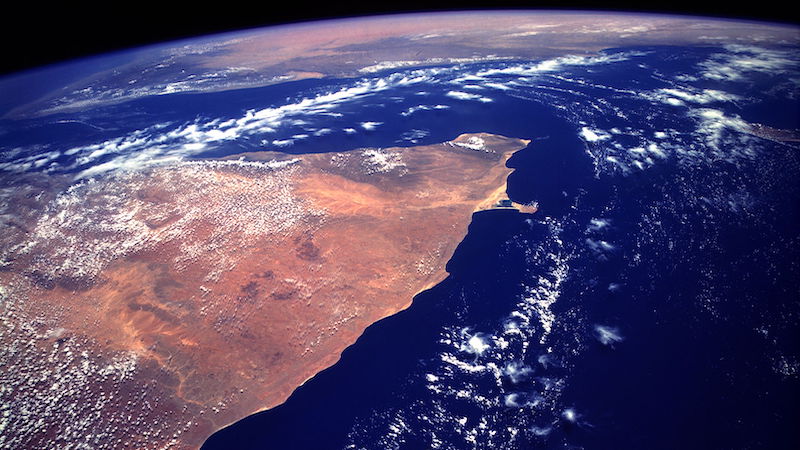
- Core Development: Somalia has abruptly annulled its defense and port cooperation agreements with the United Arab Emirates, fracturing regional alliances along the Red Sea.
- Beat Context: Categorized under Cost of Living with independent corroboration.
- Reporting Depth: 3 minute analytical read synthesized from verified newsroom sources.
Somalia has annulled its defense and port cooperation agreements with the United Arab Emirates, fracturing regional alliances along the Red Sea and exposing deep constitutional fractures within the federal state. The abrupt termination covers long-standing pacts concerning the ports of Berbera in Somaliland, Bosaso in Puntland, and Kismayo in Jubaland, alongside security agreements that had granted the UAE unrestricted access to Somali airspace and a mandate to rebuild domestic military forces.
The diplomatic rupture follows a dramatic escalation when a vessel carrying Aidarous al-Zubaidi, a UAE-backed southern Yemeni separatist leader, docked in Berbera. According to Eurasia Review, Saudi Arabia accused the UAE of spiriting al-Zubaidi out of Yemen to Abu Dhabi through the Somaliland port. Somalia’s state minister for foreign affairs denounced the unlisted presence of al-Zubaidi on a UAE-registered cargo plane flying from Berbera to Mogadishu as the final provocation, compounding years of underlying friction over Emirati conduct.
Media additions



Tensions between Mogadishu and Abu Dhabi have simmered for nearly a decade. In April 2018, Somali authorities intercepted millions of dollars in unmarked cash on an Emirati-operated Royal Jet flight, prompting the UAE to temporarily withdraw its military training program. Later that same year, DP World granted Ethiopia a minority stake in the Berbera port without the federal government's consent, leading Somali lawmakers to pass a resolution accusing the firm of violating national sovereignty.
The recent federal decree has starkly illuminated the limits of central authority in Somalia. Within hours of the announcement, regional administrations with close commercial and security ties to the UAE publicly rejected Mogadishu's mandate. Puntland officials asserted that the federal decision would have no legal or practical effect on its relations with Abu Dhabi, safeguarding a 30-year concession held by a DP World subsidiary to manage the port of Bosaso.
Ismail H. Warsame, a Somali policy analyst and founding chief of staff to Puntland's presidency, noted that while decentralized governance is vital for federal member states, entering into multidecade concessions on strategic national infrastructure without a national framework or parliamentary scrutiny undermines the state. A 30-year port lease is not a regional business decision. It is a foreign policy commitment that outlives every politician who signed it,
Warsame wrote.
Beyond commercial port leases, the entanglement extends into broader geopolitical conflicts. Reports from intelligence monitors and international media outlets have alleged that the Emirati base and airfield in Bosaso served as a transit hub for supplying arms and support to paramilitary forces involved in Sudan's ongoing civil war—allegations that the UAE denies and which Mogadishu has acknowledged as unverified flights originating from Somali territory without federal clearance.
The unfolding crisis places Somalia directly in the middle of a wider diplomatic fault line separating Riyadh and Abu Dhabi. In the wake of the annulment, regional observers note that Saudi Arabia and Egypt have urged Mogadishu to scale back its ties with the UAE as Somalia explores integration into a broader security framework alongside Cairo and Riyadh.
Ultimately, analysts emphasize that until Somalia's federal institutions resolve the constitutional ambiguity surrounding resource sharing, foreign concessions, and regional autonomy, the country will remain vulnerable to external friction. Restoring institutional integrity will require a binding national framework ratified by Parliament, public disclosure of all foreign infrastructure leases, and independent verification of military and cargo traffic.
What to Watch Next
- Pending parliamentary debates on a unified national framework for foreign port and military concessions.
- Potential formalization of a Saudi-Egyptian-Somali security arrangement to replace Emirati defense funding.
- Responses from federal member states regarding revenue-sharing models and oversight of strategic infrastructure leases.
How significant is this development?
Contribute your assessment to the aggregated reader sentiment ledger.
Frequently Asked Questions
Key questions answered in this reportWhat is the key development in: Somalia revokes UAE defense and port deals amid regional fallout?
Somalia has abruptly annulled its defense and port cooperation agreements with the United Arab Emirates, fracturing regional alliances along the Red Sea.
Why is this Cost of Living development significant for the UK?
This report covers critical events in our Cost of Living beat. Independent reporting monitors related UK statements, regulatory shifts, and public responses as further verified details emerge.
How was this reporting corroborated and verified?
Newsarchy UK compiles and cross-references reporting from primary reporting from eurasiareview.com and cross-checked wire reports. All coverage adheres to published editorial standards.
When was this report published?
This briefing was published on October 4, 2026 and is permanently cataloged in the Newsarchy UK Cost of Living archives.