UK house prices record biggest annual fall since October 2023
UK house prices recorded their steepest annual fall in three years, dropping 1.2% to an average of £296,285 amid rising borrowing costs and economic pressure.

- Core Development: UK house prices recorded their steepest annual fall in three years, dropping 1.2% to an average of £296,285 amid rising borrowing costs and economic pressure.
- Beat Context: Categorized under Cost of Living with independent corroboration.
- Reporting Depth: 3 minute analytical read synthesized from verified newsroom sources.
UK house prices have recorded their steepest annual fall in three years, compounding pressure on household finances as borrowing costs climb and geopolitical tensions reverberate through the domestic economy.
According to the latest Lloyds House Price Index, the average price of a typical UK property stood at £296,285 in October 2026. This unexpected 0.6% monthly drop follows a 0.1% decline in September and marks the fourth consecutive monthly fall. Analysts had anticipated a modest monthly rise. On an annual basis, prices fell 1.2%, matching the low point recorded three years prior and signaling a stark cooling in momentum across the Cost of Living landscape.
Media additions


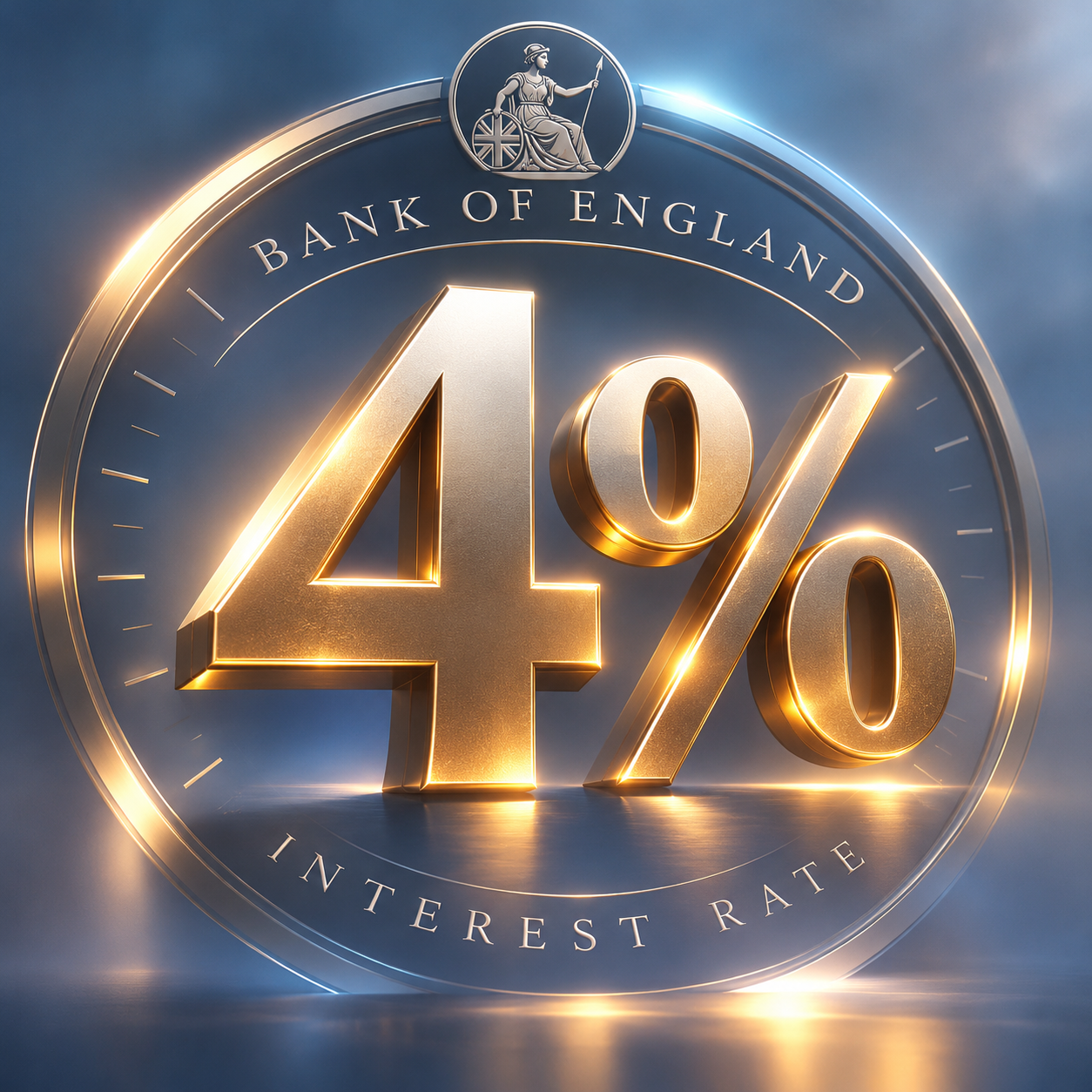
Lloyds pointed to a challenging economic backdrop driven by renewed inflationary pressures linked to the conflict in the Middle East. These global disruptions have kept borrowing costs elevated and squeezed household budgets. Prospective buyers face stiff financing hurdles, with Moneyfacts data showing average two-year fixed mortgages running at 5.97% and five-year fixed rates at 5.99%. This squeeze arrives just after the Bank of England's monetary policy committee raised the base rate by a quarter of a point to 4%, compounding earlier warnings about uk disposable incomes and mortgage rates hit three-year high conditions.
Andrew Asaam, Mortgages Director at Lloyds, explained that market demand is being severely tested.
Despite the downturn, Lloyds does not anticipate a sustained structural correction, noting that ongoing wage growth continues to outpace property price inflation and should gradually narrow the affordability gap."Housing demand is currently being tested by a challenging economic backdrop. Renewed inflationary pressures, driven in part by the conflict in the Middle East, are keeping borrowing costs high and adding to the squeeze on household finances, making some buyers understandably more cautious."
Andrew Asaam, Mortgages Director, Lloyds
Regional disparities remain pronounced across the country, with southern markets bearing the heaviest downward pressure while parts of the north and devolved nations hold firm. Greater London experienced the most severe annual decline, dropping 3.1% to an average of £524,892. The South East and South West followed closely, both recording annual reductions of 2.4%.
| Region | Average Property Price (£) | Annual Price Change (%) |
|---|---|---|
| Greater London | £524,892 | -3.1% |
| South East | £379,258 | -2.4% |
| South West | £298,057 | -2.4% |
| West Midlands | £261,656 | +0.3% |
| North West | £249,916 | +2.2% |
| Wales | £233,116 | +1.6% |
| Northern Ireland | £228,708 | +4.4% |
| Scotland | £222,667 | +2.8% |
| North East | £184,318 | +2.0% |
Industry experts emphasize that psychological factors and broader economic headwinds are driving the hesitation. Jeremy Leaf, a north London estate agent and former RICS residential chairman, noted that rising base rates offer no favors to an already flat market.
Leaf added that activity has held up somewhat better than feared due to wage growth outpacing property values."Yesterday’s rise in base rate will not do any favours to an already-flat housing market. It is continuing worries about the cost of living, prompted particularly by protracted hostilities in the Middle East, which is compromising confidence."
Jeremy Leaf, North London Estate Agent and former RICS Residential Chairman
Wider lending and transaction data corroborate the cooling sentiment. HM Revenue & Customs reported that seasonally adjusted home sales dipped in September to approximately 94,800, down 3.6% compared with the same period a year prior. Furthermore, Bank of England figures showed mortgage approvals for house purchases fell to 53,443 in September, representing a 19.4% drop year on year. Survey evidence from the Royal Institution of Chartered Surveyors showed buyer enquiries remaining in negative territory, even as new property instructions rose slightly.
Market observers anticipate a muted finish to the calendar year. While estate agents report that buyers remain active, caution dominates purchasing decisions, particularly among second-steppers and those facing upcoming remortgaging cliffs. Stakeholders will watch closely for upcoming central bank policy decisions, inflation prints mirroring broader uk inflation grocery bills climb pressures, and any sustained adjustments in lender fixed rates heading into the new year.
How significant is this development?
Contribute your assessment to the aggregated reader sentiment ledger.
Frequently Asked Questions
Key questions answered in this reportWhat is the key development in: UK house prices record biggest annual fall since October 2023?
UK house prices recorded their steepest annual fall in three years, dropping 1.2% to an average of £296,285 amid rising borrowing costs and economic pressure.
Why is this Cost of Living development significant for the UK?
This report covers critical events in our Cost of Living beat. Independent reporting monitors related UK statements, regulatory shifts, and public responses as further verified details emerge.
How was this reporting corroborated and verified?
Newsarchy UK compiles and cross-references reporting from primary reporting from aol.co.uk and cross-checked wire reports. All coverage adheres to published editorial standards.
When was this report published?
This briefing was published on November 6, 2026 and is permanently cataloged in the Newsarchy UK Cost of Living archives.