UK inflation remains at 3.1 percent as grocery bills climb
UK inflation remains at 3.1 percent as climbing grocery bills and ongoing economic pressures deepen a financial crisis affecting millions of households.
- Core Development: UK inflation remains at 3.1 percent as climbing grocery bills and ongoing economic pressures deepen a financial crisis affecting millions of households.
- Beat Context: Categorized under Cost of Living with independent corroboration.
- Reporting Depth: 4 minute analytical read synthesized from verified newsroom sources.
UK inflation remains at 3.1 percent as grocery bills climb across the nation, compounding a protracted financial squeeze that has left households drastically poorer over the past half-decade. According to official data cited by the UK Cost of Living Tracker, the Consumer Prices Index annual rate held at 3.1 percent, while the broader CPIH measure — which factors in owner-occupier housing costs — stood at 3.3 percent. Both figures remain stubbornly above the Bank of England target of 2.0 percent. The ongoing economic turbulence is deeply visible in everyday spending, where the average grocery bill has surged by nearly 40 percent compared to early 2021, severely eroding household purchasing power and widening the breadth of the nation's financial emergency.
The cumulative toll of the ongoing cost-of-living emergency was laid bare in a recent study by the Resolution Foundation, which assesses “the toll of three crises (the post-pandemic supply shock, the invasion of Ukraine and conflict in the Middle East),” concluding that they have left typical households £2,900 worse off this year.
Media additions

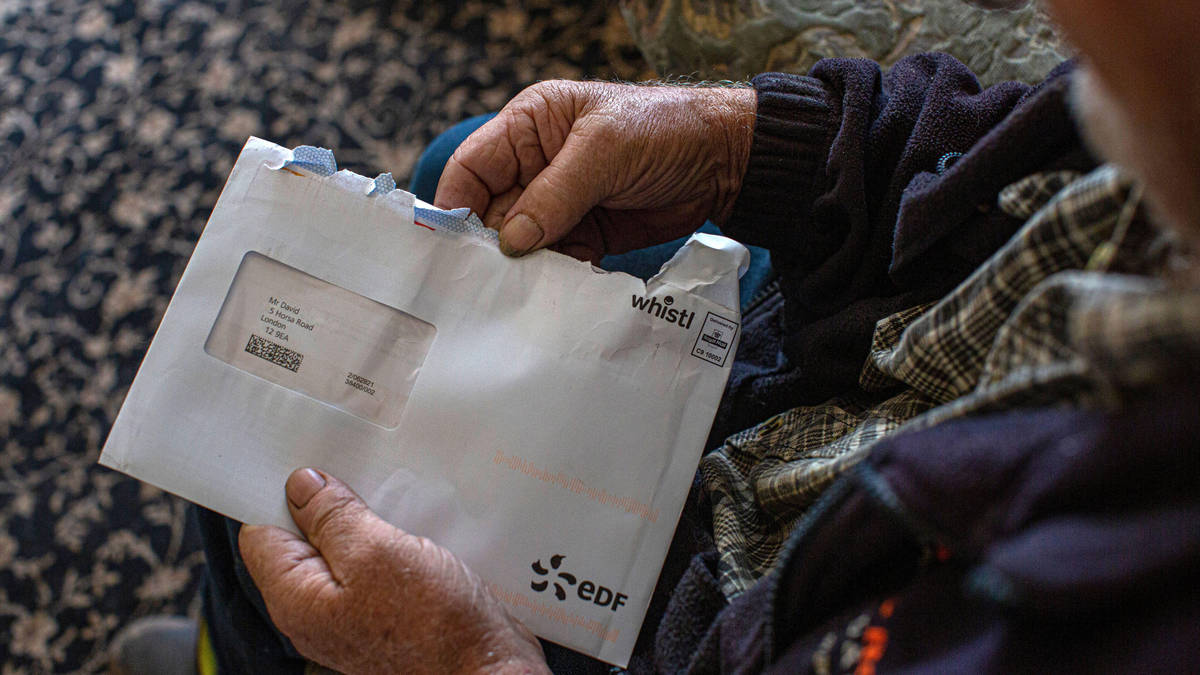

This widening distress is further captured by the Joseph Rowntree Foundation (JRF) social inequality charity, whose summer tracker estimated that 7.4 million low-income households were unable to afford at least one essential item, such as food, shampoo, clothing, or over-the-counter pain relief, in the months leading to May and June. As reported by the World Socialist Web Site, this figure represents the highest total since the tracker launched, up from 7.1 million the previous year. While households receiving Universal Credit experienced the most acute deprivation, the fastest growth in financial hardship occurred among groups traditionally shielded from poverty, including mortgage-free homeowners and older demographics.
| Economic Indicator | Current Figure | Comparison / Context |
|---|---|---|
| Headline CPI Inflation | 3.1% | Bank of England target is 2.0% |
| CPIH Inflation (including housing) | 3.3% | Up for a second consecutive month |
| Average Grocery Bill Increase | +39.8% | Compared to January 2021 levels |
| Ofgem Dual-Fuel Price Cap | £1,723 / year | Applies to standard variable tariffs (Oct–Dec 2026) |
| Average UK House Price | £272,611 | Up 1.4% year-on-year |
| Real-Terms Cash Loss (£100 from 2020) | £78.54 | Represents a 21.5% real-terms loss in purchasing power |
Food affordability remains a critical pressure point. Food inflation averaged 4.1 percent between May 2025 and May 2026, outpacing overall inflation, while separate figures from the British Retail Consortium noted food price inflation jumping rapidly over single-month periods. According to reporting highlighted by the World Socialist Web Site, nearly half of low-income families reported skipping meals or reducing portion sizes, and 1.5 million households relied on food banks in the span of six months. Community support providers, such as the Rainbow Surprise CIO in Greater Manchester, have reported soaring demand extending far beyond benefit claimants to working parents and care staff.
Simultaneously, energy costs continue to loom large over household budgets. The Ofgem price cap for a typical dual-fuel household stands at £1,723 per year for the October to December period. However, forecasts from the Energy and Climate Intelligence Unit and major energy suppliers warn that ongoing geopolitical conflicts, including fallout from the Middle East, could push bills significantly higher in the coming months, adding hundreds of pounds annually to consumer outgoings.
The broader economic backdrop incorporates housing market data and upcoming official releases. The average UK house price stands at £272,611, reflecting a modest annual increase of 1.4 percent, while private rents average £1,400 per month, up 3.8 percent annually. These figures continue to shape the financial resilience of tenants and aspiring homeowners alike as debt levels climb. Millions of households have turned to borrowing or high-cost credit lenders to cover basic food and utility bills, leaving millions in arrears.
Looking ahead, a busy sequence of official releases will provide further clarity on the nation's economic trajectory. Official updates on unemployment, earnings, and vacancies for the June-to-August period are scheduled, alongside the publication of the September headline CPI and CPIH rates, figures that traditionally dictate the annual uprating of benefits. As households brace for winter amid warnings of persistent energy price pressures, policymakers face mounting calls to address a cost-of-living crisis that continues to reshape daily life across the UK. For ongoing developments, consult our dedicated Cost of Living coverage.
How significant is this development?
Contribute your assessment to the aggregated reader sentiment ledger.
Frequently Asked Questions
Key questions answered in this reportWhat is the key development in: UK inflation remains at 3.1 percent as grocery bills climb?
UK inflation remains at 3.1 percent as climbing grocery bills and ongoing economic pressures deepen a financial crisis affecting millions of households.
Why is this Cost of Living development significant for the UK?
This report covers critical events in our Cost of Living beat. Independent reporting monitors related UK statements, regulatory shifts, and public responses as further verified details emerge.
How was this reporting corroborated and verified?
Newsarchy UK compiles and cross-references reporting from primary reporting from openaccessgovernment.org and cross-checked wire reports. All coverage adheres to published editorial standards.
When was this report published?
This briefing was published on October 17, 2026 and is permanently cataloged in the Newsarchy UK Cost of Living archives.