Mushroom killer Erin Patterson's lawyers claim hotel blunder caused unfair trial
Triple murderer Erin Patterson has returned to court as her legal team pursues a formal challenge, arguing that jury accommodation compromised her trial.

- Core Development: Triple murderer Erin Patterson has returned to court as her legal team pursues a formal challenge, arguing that jury accommodation compromised her trial.
- Beat Context: Categorized under World with independent corroboration.
- Reporting Depth: 3 minute analytical read synthesized from verified newsroom sources.
Triple murderer Erin Patterson, widely known internationally following proceedings in the landmark Australian case, has returned to court as her legal team pursues a formal challenge against her convictions, according to the Mirror. The legal battle centres on a series of contentious arguments regarding the original proceedings, including claims of an improper accommodation arrangement that defence representatives argue fatally undermined the integrity of the verdicts.
Patterson was previously convicted of multiple counts of murder and attempted murder following a fatal lunch held at her home in regional Victoria. The meal, consisting of a Beef Wellington laced with deadly deathcap mushrooms, resulted in the hospitalisation and subsequent deaths of three guests: her estranged former parents-in-law, Don Patterson and Gail Patterson, alongside Gail's sister, Heather Wilkinson. A fourth guest, local church minister Ian Wilkinson, survived after undergoing an emergency liver transplant.
Media additions
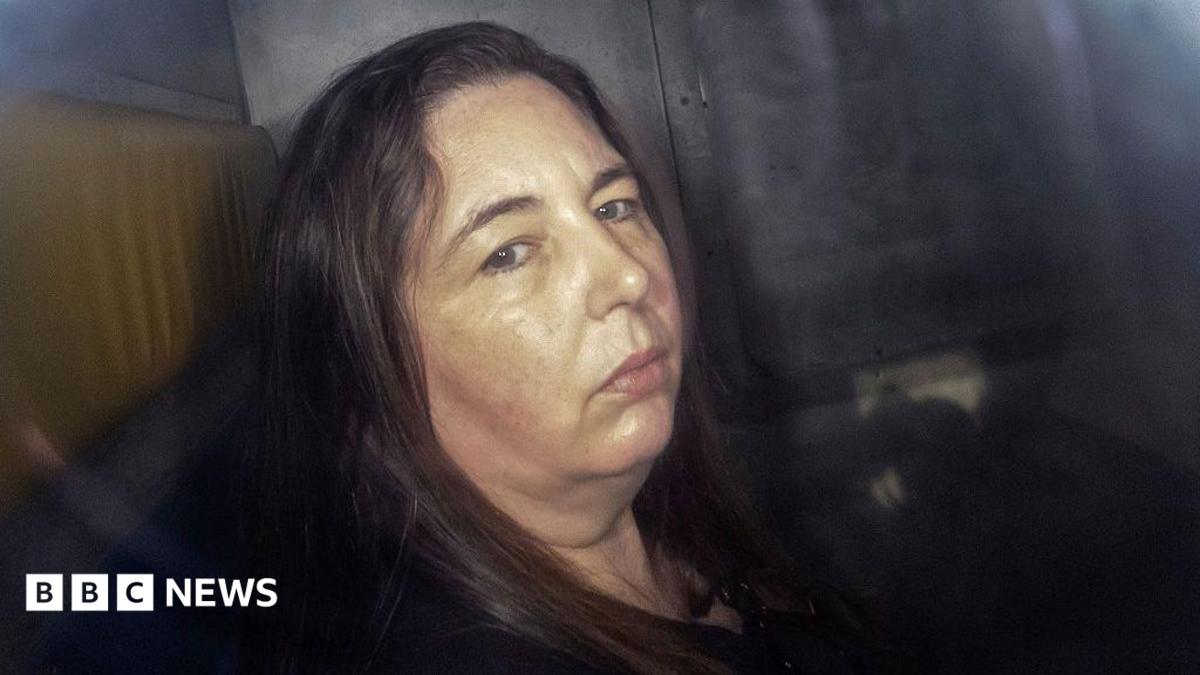
Throughout the ongoing Australian court hearings, the defence has maintained that the tragedy was entirely accidental. Legal representatives representing Patterson argue that the trial judge permitted inadmissible evidence, pointing specifically to mobile phone tower data and social media posts concerning sightings of deathcap mushrooms. Furthermore, the defence contended that the prosecution subjected Patterson to an overly aggressive five-day cross-examination that was both unfair and oppressive, while simultaneously excluding photographic evidence related to her mushroom-foraging hobby that could have supported her version of events.
The most striking element of the current appeal involves the jury's living arrangements during the trial. Because intense global attention surrounded the proceedings, jurors were placed in supervised accommodation to shield them from outside influence. However, Patterson's legal team has argued that a fundamental procedural irregularity occurred due to regional room shortages, resulting in the jury staying at a hotel that also housed members of the prosecution, a key police witness, and various journalists.
Defence lawyers assert that this proximity created a risk of subconscious influence, arguing that the situation requires the original convictions to be quashed and a retrial ordered. The trial judge previously noted that the jury occupied a dedicated floor with no verified evidence of direct contact with individuals linked to the case.
The prosecution has forcefully pushed back against these claims. Director of Public Prosecutions Brendan Kissane KC defended the handling of the situation, telling the court that the arrangement actually demonstrates how the judicial system functions as intended when potential issues are identified and managed. The evidence in this case is that there was no interaction between any other person and the jury,
Kissane stated, adding that the mere possibility of glimpsing individuals through a window does not constitute improper contact.
Key Issues Before the Court of Appeal
- Defence claims of prejudicial and irrelevant evidence, including mobile phone data and social media posts.
- Allegations of an unfair and oppressive five-day cross-examination by the prosecution.
- Disputes over hotel accommodations housing jurors alongside trial witnesses, prosecutors, and journalists.
- A separate prosecution appeal arguing that the current prison sentence is manifestly inadequate.
In addition to defending the conviction, the prosecution has lodged a separate challenge against the length of Patterson's sentence. Prosecutors argue that the punishment handed down is manifestly inadequate given the severity of the crimes, contending that the initial sentencing judge improperly factored in expectations that Patterson will spend extended periods in solitary confinement for her own protection while incarcerated. If the prosecution's counter-appeal succeeds, her non-parole period could be extended significantly, or she could face life imprisonment without the possibility of parole.
The appeal is being adjudicated by a three-judge panel at the Victorian Court of Appeal in Melbourne. Under local legal frameworks, such appeals are decided exclusively by senior judges rather than a fresh jury, with the defence bearing the burden of proving specific legal or procedural flaws in the original trial.
The appellate proceedings are scheduled to run over two days, with the panel expected to determine whether the convictions will stand, whether an acquittal or retrial will be ordered, or whether the sentence length will be modified.
How significant is this development?
Contribute your assessment to the aggregated reader sentiment ledger.
Frequently Asked Questions
Key questions answered in this reportWhat is the key development in: Mushroom killer Erin Patterson's lawyers claim hotel blunder caused unfair trial?
Triple murderer Erin Patterson has returned to court as her legal team pursues a formal challenge, arguing that jury accommodation compromised her trial.
Why is this World development significant for the UK?
This report covers critical events in our World beat. Independent reporting monitors related UK statements, regulatory shifts, and public responses as further verified details emerge.
How was this reporting corroborated and verified?
Newsarchy UK compiles and cross-references reporting from primary reporting from mirror.co.uk and cross-checked wire reports. All coverage adheres to published editorial standards.
When was this report published?
This briefing was published on August 19, 2026 and is permanently cataloged in the Newsarchy UK World archives.