UK inflation rises to 3.1% as petrol prices and airfares surge
UK consumer price inflation climbed to 3.1% in August, driven by surging fuel costs and airfares, raising pressure on the Bank of England ahead of its rate decision.

- Core Development: UK consumer price inflation climbed to 3.1% in August, driven by surging fuel costs and airfares, raising pressure on the Bank of England ahead of its rate decision.
- Beat Context: Categorized under Cost of Living with independent corroboration.
- Reporting Depth: 4 minute analytical read synthesized from verified newsroom sources.
UK inflation climbed back above three percent in the year to August, driven primarily by soaring fuel costs and airfares that have heaped renewed pressure on households ahead of a crucial monetary policy decision. According to official figures released by the Office for National Statistics (ONS), Consumer Prices Index (CPI) inflation rose to 3.1 per cent, up from 2.9 per cent in July and marking its highest level in five months.
The acceleration places further strain on British consumers while raising urgent questions for the Bank of England's Monetary Policy Committee as it prepares to announce its latest interest rate decision on Thursday. Analysts note that inflation has now remained above the central bank's two per cent target for over two years, prompting warnings from economists that price growth could edge closer to four percent before beginning to recede.
Media additions


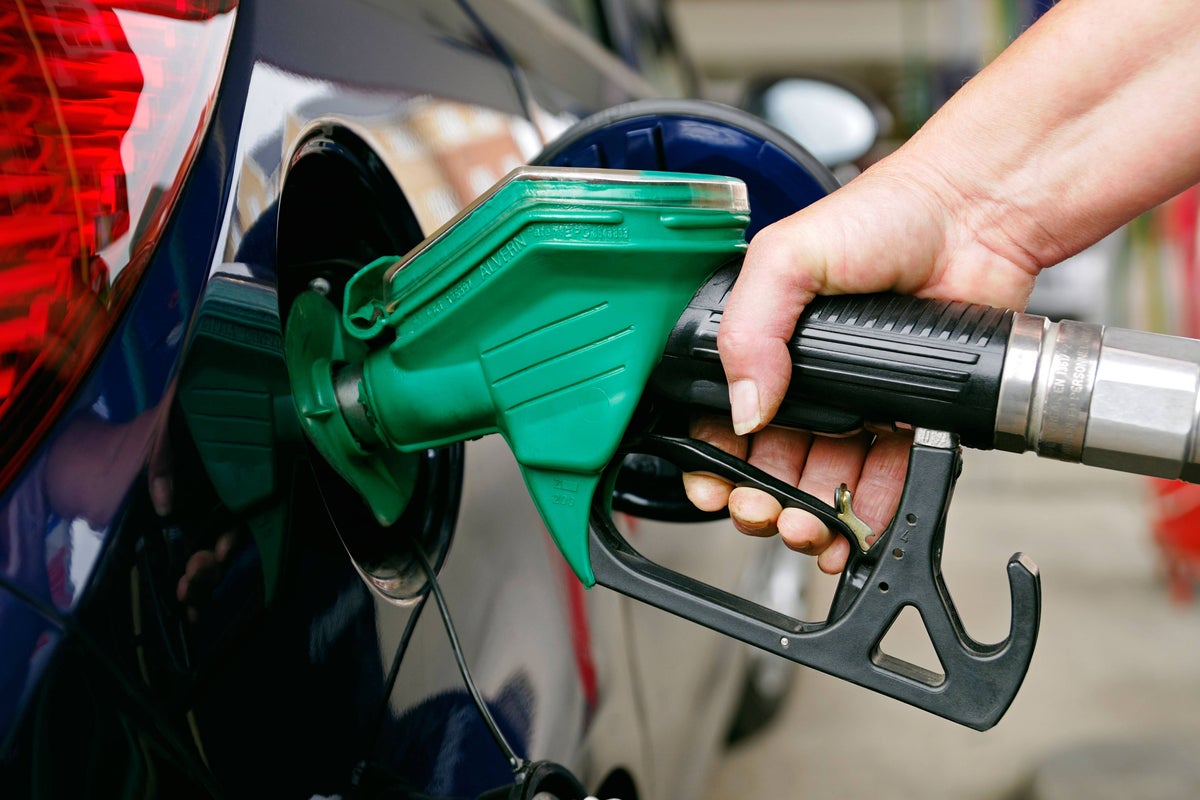
Transport costs emerged as the single largest upward driver behind the August figures, surging by 4.6 per cent across the 12-month period. ONS chief economist Grant Fitzner attributed the rise directly to sharp increases at the pumps and in the skies. "Sharp price rises for petrol and diesel pushed inflation up again in August," Fitzner said, adding that "higher airfares, particularly for long-haul journeys, also contributed to the increase." Motor fuel prices jumped by almost a quarter annually, with average petrol prices climbing by 9.1 pence per litre between July and August to reach 161.3 pence per litre, while diesel rose by 14.2 pence per litre to 181.8 pence per litre.
The renewed turbulence at forecourts stems directly from geopolitical conflict in the Middle East. The breakdown of the US-Iran ceasefire in July triggered a sharp escalation in global oil and gas prices, driving crude past $108 a barrel. According to data reported by Yahoo News, the RAC warned that filling a family car with fuel had risen by nearly £5 since the start of September, pushing diesel to its highest level since late July 2022 and petrol to levels unseen since August 2022.
Beyond motor fuel, airfares recorded a 6.2 per cent monthly increase, driven largely by long-haul routes. Meanwhile, core inflation — which excludes volatile energy, food, alcohol, and tobacco items — held steady at 2.6 per cent, and services inflation remained unchanged at 3.4 per cent. Food and non-alcoholic drink inflation remained relatively subdued at 1.3 per cent, though industry experts warn that upstream pressures could soon filter down to supermarket shelves.
| Inflation Measure | July Rate | August Rate |
|---|---|---|
| Consumer Prices Index (CPI) | 2.9% | 3.1% |
| CPI Including Housing (CPIH) | 3.1% | 3.3% |
| Retail Prices Index (RPI) | 3.2% | 3.4% |
Political reaction to the inflation data was immediate. Chancellor John Healey pointed directly to international factors, stating that the war in the Middle East is impacting inflation worldwide. The Guardian reported Healey's remarks detailing government interventions: "We have taken early action to help families and businesses breathing space, by cutting tax on electricity bills, capping bus fares at £2 and lowering rates for pubs, social clubs and live music venues." Despite the headwinds, Healey maintained that the UK economy is proving resilient.
Opposition figures and critics offered a sharply different assessment. Shadow chancellor Andrew Griffith argued that government policies are compounding the crisis, claiming that higher taxes on businesses and additional employment regulation mean rising costs are being passed directly onto consumers in the weekly shop.
The timing of the inflation spike has injected intense volatility into financial markets. With the Bank of England scheduled to review interest rates currently held at 3.75 per cent, Moneymarketing reported that market analysts view an eventual rate hike as an increasing probability. Richard Carter, head of fixed income at Quilter Cheviot, noted that the figures put a rate hike firmly into consideration as borrowing costs climb and the UK government faces a challenging fiscal backdrop.
Economists remain divided on whether Threadneedle Street will pull the trigger immediately. While some experts, such as Scott Gardner of J.P. Morgan Personal Investing, suggest the latest uptick is unlikely to provoke an immediate rate rise given a cooling jobs market and slowing wage growth, others warn that persistent energy shocks could force policymakers' hands before the year is out. Thomas Pugh, chief economist at RSM UK, expects inflation to peak near four per cent in early 2027 before gradually easing back toward the two per cent target by 2028.
As households brace for further pain, including expected increases in domestic energy bills from October, attention turns squarely to the Bank of England's upcoming announcement. Markets will scrutinise Thursday's policy statement for any signal that Threadneedle Street is preparing to tighten monetary policy further to combat imported price pressures.
How significant is this development?
Contribute your assessment to the aggregated reader sentiment ledger.
Frequently Asked Questions
Key questions answered in this reportWhat is the key development in: UK inflation rises to 3.1% as petrol prices and airfares surge?
UK consumer price inflation climbed to 3.1% in August, driven by surging fuel costs and airfares, raising pressure on the Bank of England ahead of its rate decision.
Why is this Cost of Living development significant for the UK?
This report covers critical events in our Cost of Living beat. Independent reporting monitors related UK statements, regulatory shifts, and public responses as further verified details emerge.
How was this reporting corroborated and verified?
Newsarchy UK compiles and cross-references reporting from primary reporting from BBC and cross-checked wire reports. All coverage adheres to published editorial standards.
When was this report published?
This briefing was published on September 16, 2026 and is permanently cataloged in the Newsarchy UK Cost of Living archives.