UK inflation rises to 3.1% in August as fuel costs surge
UK inflation climbed back above three per cent in August driven by soaring fuel costs, placing renewed pressure on households and the Bank of England.
- Core Development: UK inflation climbed back above three per cent in August driven by soaring fuel costs, placing renewed pressure on households and the Bank of England.
- Beat Context: Categorized under Cost of Living with independent corroboration.
- Reporting Depth: 4 minute analytical read synthesized from verified newsroom sources.
UK inflation returned above three per cent as soaring fuel and transport prices triggered by conflict in the Middle East heaped renewed pressure on British households, according to official figures released on Wednesday, 16 September 2026. Data from the Office for National Statistics showed the consumer prices index rose to 3.1 per cent in August, up from 2.9 per cent in July.
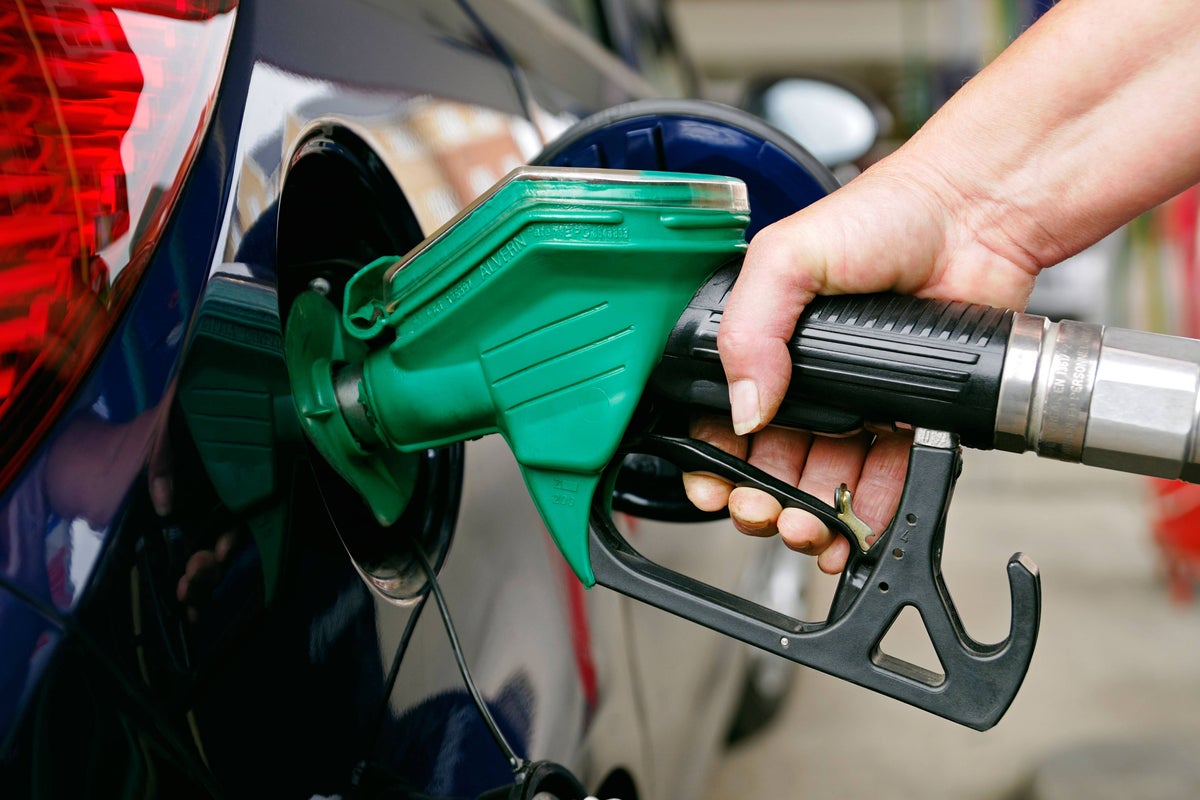
The acceleration matched City forecasts and was primarily driven by motor fuel prices climbing by nearly a quarter. The average petrol price rose by 9.1p between July and August to 161.3p a litre, reaching its highest level since November 2022, while diesel prices jumped by 14.2p to 181.8p a litre. Regional data from Fuel Map UK showed unleaded costs varying sharply across the country, with the Isle of Wight seeing average prices reach 176.6p per litre, contrasted with Dyfed in Wales where prices averaged 168.6p, as detailed by The Independent.
Media additions
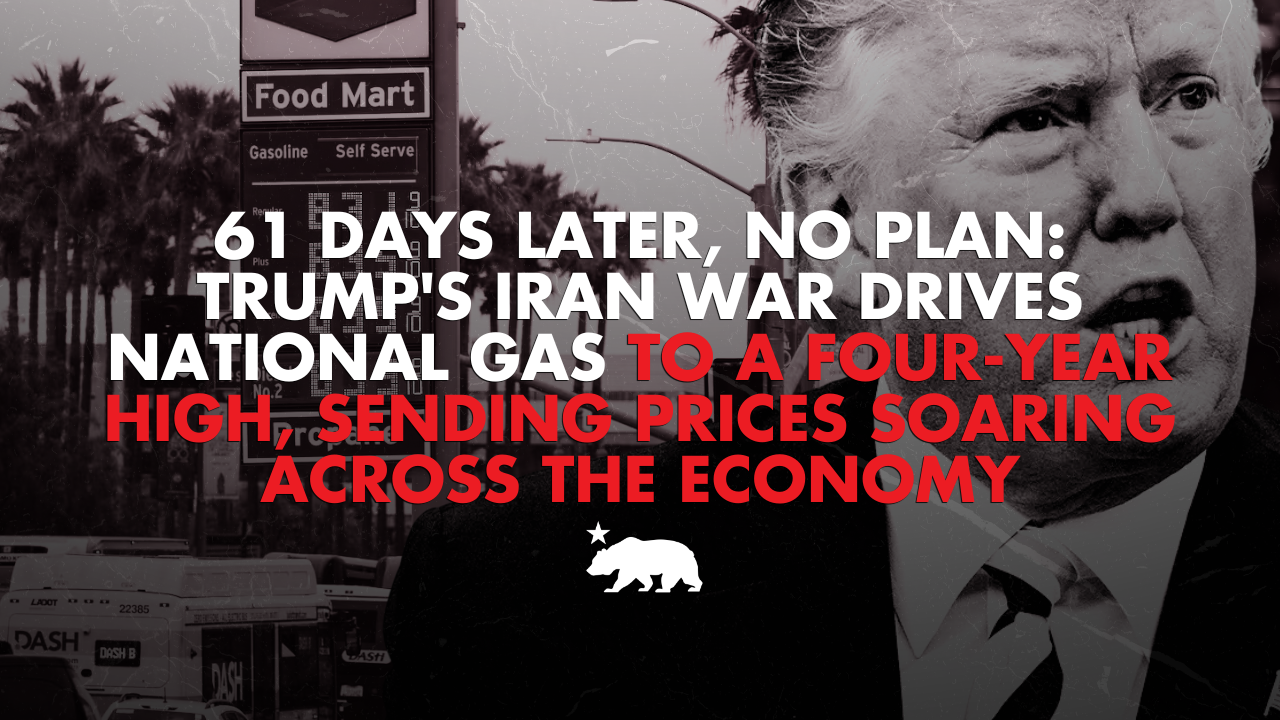


Air fares also contributed significantly to the monthly uptick, registering a 6.2 per cent increase between July and August, particularly on long-haul routes. Higher crude oil and fuel expenses simultaneously pushed up the cost of raw materials and goods leaving factories. ONS chief economist Grant Fitzner noted that sharp price rises for petrol, diesel, and air fares propelled the headline index upward. The turbulence stems from ongoing disruptions following US and Israeli strikes on Iran earlier in the year, which effectively closed the Strait of Hormuz and sent global crude prices soaring past $108 a barrel.
The wider economic fallout has rattled supply chains well beyond the forecourt. According to the British Retail Consortium (OilPrice.com), shop price inflation reached a two-year high of 1.5 per cent in the year to August, up from 0.9 per cent in July. Food price inflation ticked up to 2.8 per cent, reversing a previous downward trend. Helen Dickinson, chief executive of the BRC, warned that higher energy and commodity costs are filtering directly into retail prices. Economists cautioned that the worst may be yet to come. Thomas Pugh, chief economist at RSM UK, projected that inflation could peak at nearly four per cent in early 2027 before eventually easing back.
| Metric / Category | Previous Reading | August / Latest Reading | Key Drivers & Context |
|---|---|---|---|
| Headline CPI Inflation | 2.9% (July) | 3.1% (August) | Driven by a ~23% surge in motor fuel and higher air fares. |
| Petrol Prices (Average) | Lower in July | 161.3p per litre (+9.1p jump) | Highest level since November 2022; global oil trade constraints. |
| Diesel Prices (Average) | Lower in July | 181.8p per litre (+14.2p jump) | Impacted by Middle East shipping disruptions and refinery costs. |
| Shop Price Inflation | 0.9% (July) | 1.5% (August) | Two-year high reported by the British Retail Consortium. |
| Food Price Inflation | 2.2% (July) | 2.8% (August) | Reversed months of downward trends as energy costs feed supply chains. |
| Service Sector Inflation | 3.4% | 3.4% (Unchanged) | Closely watched metric remaining steady alongside core inflation at 2.6%. |
Politically, the data presents a severe challenge for the administration. Chancellor John Healey acknowledged that the war in the Middle East is impacting inflation worldwide, affecting weekly shops and petrol pumps. Highlighting government measures, Healey noted that authorities have cut taxes on electricity bills, capped bus fares at £2, and lowered rates for pubs, social clubs, and live music venues. Yet independent experts expressed skepticism. Richard Carter, head of fixed interest research at Quilter Cheviot, described the inflation figures as a kick in the teeth for an administration aiming to make easing the cost of living its central mission.
Financial markets are reacting swiftly to the shifting economic landscape. Threadneedle Street is preparing for a crucial interest rate decision on Thursday, 17 September 2026. While financial markets predict a one-in-five chance of a quarter-point increase from the current rate of 3.75 per cent, most analysts anticipate borrowing costs will be held steady in the short term, even as Threadneedle Street faces mounting pressure. Susannah Streeter, chief investment strategist at Wealth Club, observed that consumers are once again feeling the pinch from geopolitical events outside their control.
Consumers face further headwinds on the horizon. Ofgem’s upcoming price cap changes will push energy bills higher in October, with Independent forecasters warning that rates could climb by up to nine per cent from January, potentially adding hundreds of pounds to household outgoings. As the government budget approaches next month, policymakers must navigate tightening fiscal constraints while borrowing costs hover near multi-decade highs. Households must now prepare for prolonged volatility as energy markets, supply chains, and central bank deliberations intersect through the remainder of the year.
How significant is this development?
Contribute your assessment to the aggregated reader sentiment ledger.
Frequently Asked Questions
Key questions answered in this reportWhat is the key development in: UK inflation rises to 3.1% in August as fuel costs surge?
UK inflation climbed back above three per cent in August driven by soaring fuel costs, placing renewed pressure on households and the Bank of England.
Why is this Cost of Living development significant for the UK?
This report covers critical events in our Cost of Living beat. Independent reporting monitors related UK statements, regulatory shifts, and public responses as further verified details emerge.
How was this reporting corroborated and verified?
Newsarchy UK compiles and cross-references reporting from primary reporting from Capital & Main and cross-checked wire reports. All coverage adheres to published editorial standards.
When was this report published?
This briefing was published on September 16, 2026 and is permanently cataloged in the Newsarchy UK Cost of Living archives.