UK inflation holds steady at 2.8 percent as food prices slow
UK inflation remained steady at 2.8 percent in May 2026, defying expectations as cooling food costs balanced out the impact of rising transport prices.
- Core Development: UK inflation remained steady at 2.8 percent in May 2026, defying expectations as cooling food costs balanced out the impact of rising transport prices.
- Beat Context: Categorized under Cost of Living with independent corroboration.
- Reporting Depth: 3 minute analytical read synthesized from verified newsroom sources.
The UK’s headline inflation rate remained steady at 2.8 percent in the year to May 2026, according to data released by the Office for National Statistics. This reading defied expectations from economists, who had anticipated that the rate would rise to 3 percent.
The stability of the consumer price index was the result of a push-and-pull effect between various sectors of the economy. While transport costs placed significant upward pressure on the index, these increases were countered by a simultaneous cooling in the cost of food and non-alcoholic beverages.
Media additions


Drivers of May's price movements
Transport costs experienced a notable surge, climbing by 6.8 percent in the 12 months to May 2026. This figure represents the highest rate of transport inflation recorded since December 2022. According to the Office for National Statistics, this increase was driven by rising motor fuel prices, air fares, and sea fares. The closure of the Strait of Hormuz to shipping, a consequence of conflict in the Middle East, has exerted upward pressure on oil prices over the preceding three months, with secondary effects impacting fuel, chemical products, and fertilizer costs.
Air fares rose by 10.3 percent between April and May 2026. Official analysis suggests this movement was influenced by the timing of Easter and associated school holidays. Flights priced one month before departure—collected after the outbreak of the Middle East conflict—contributed to the upward trend, while the correction of a series error regarding Vehicle Excise Duty in the previous year also exerted an upward influence.
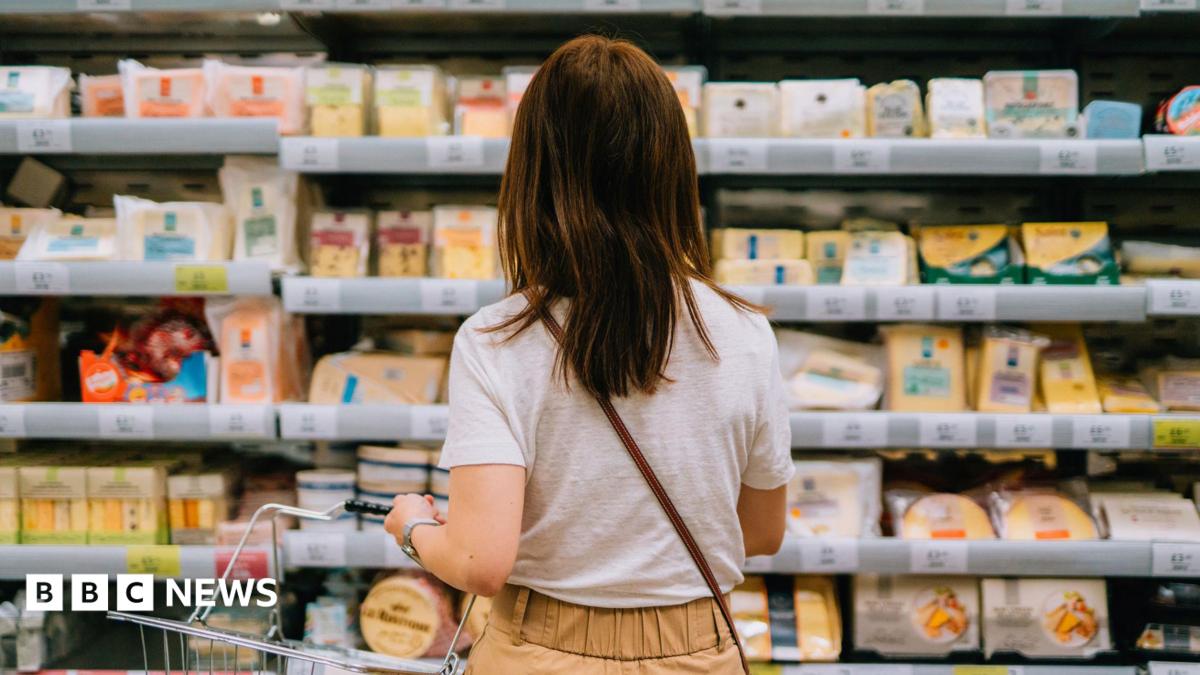
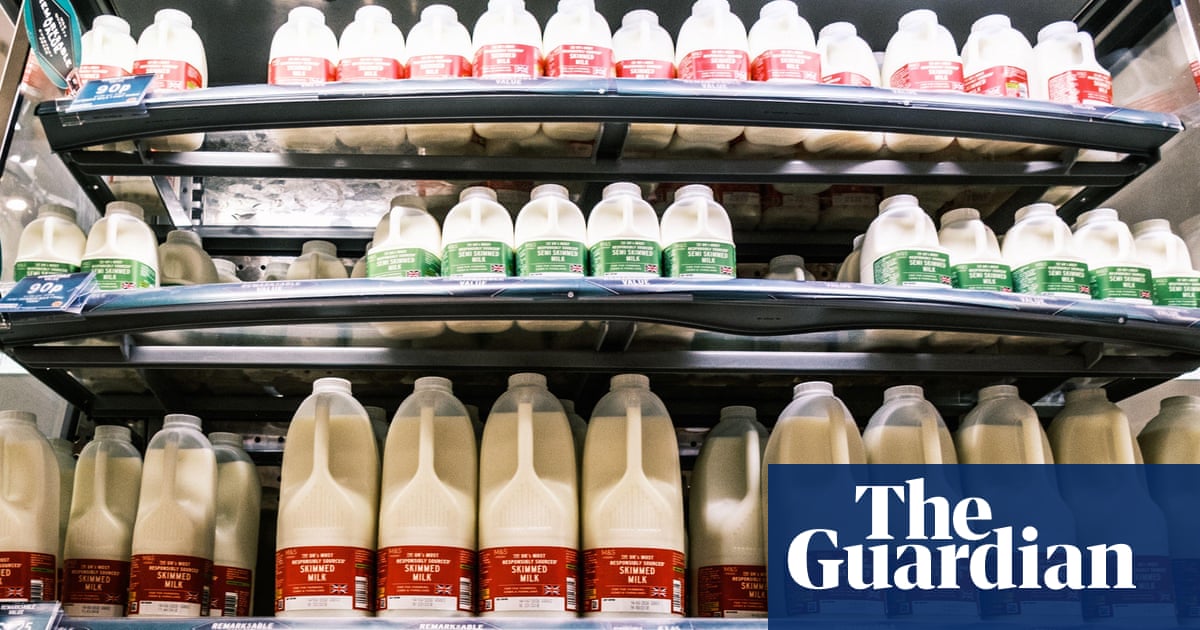
In contrast, food and non-alcoholic beverage prices saw inflation ease to 2.2 percent in May, marking the lowest rate since December 2024. Decreases were observed across meat, dairy, vegetable, and fish categories. Additionally, the cost of domestic heating oil fell back in May after climbing during the previous months, further offsetting the higher costs seen elsewhere in the economy.
Economic and political context
Despite the steady headline figure, inflation remains above the Bank of England's 2 percent target set by the government. The release of the data prompted a split in political reaction. Chancellor Rachel Reeves argued that the government’s economic plan is functioning effectively, emphasizing actions taken to mitigate costs for households.
"While the war in the Middle East pushes prices up globally, we have got the right economic plan and inflation has held steady. We’re protecting families and businesses from rising costs, with cuts in energy bills and freezes in fuel duty and rail fares."
Rachel Reeves, Chancellor of the Exchequer, via The Guardian
Opposition figures, including Shadow Chancellor Mel Stride, have maintained that prices are rising too quickly for the public, despite the stabilizing headline rate.
Monetary policy outlook
The latest inflation figures are expected to influence the Bank of England’s ongoing interest rate deliberations. The Bank’s Monetary Policy Committee is responsible for setting interest rates, which currently stand at 3.75 percent. Economists have suggested that the unexpectedly benign inflation reading could strengthen the case for maintaining current interest rate levels in the short term.
Looking ahead, market observers and policymakers remain focused on international trade developments. Economists have noted that an agreement involving the United States and the Iranian regime regarding the reopening of maritime choke points could eventually facilitate a normalization of energy and commodity prices. However, experts warn that even if energy markets stabilize, supply chain pressures and existing cost burdens may take several months to fully resolve.
How significant is this development?
Contribute your assessment to the aggregated reader sentiment ledger.
Frequently Asked Questions
Key questions answered in this reportWhat is the key development in: UK inflation holds steady at 2.8 percent as food prices slow?
UK inflation remained steady at 2.8 percent in May 2026, defying expectations as cooling food costs balanced out the impact of rising transport prices.
Why is this Cost of Living development significant for the UK?
This report covers critical events in our Cost of Living beat. Independent reporting monitors related UK statements, regulatory shifts, and public responses as further verified details emerge.
How was this reporting corroborated and verified?
Newsarchy UK compiles and cross-references reporting from primary reporting from foodmanufacture.co.uk and cross-checked wire reports. All coverage adheres to published editorial standards.
When was this report published?
This briefing was published on July 6, 2026 and is permanently cataloged in the Newsarchy UK Cost of Living archives.