No elevated lead levels in drinking water following Iowa explosion, EPA finds
Initial environmental testing following a controlled military blast in southeastern Iowa has revealed no elevated lead levels in local water supplies, according to the EPA.

Initial environmental testing following a controlled military blast in southeastern Iowa has revealed no elevated lead levels in local water supplies, according to the U.S. Environmental Protection Agency (BBC).
Controlled Detonation of Aging Munitions
The military operation took place on Wednesday, 25 November 2026, at the Iowa Army Ammunition Plant in Middletown, Iowa (Suaragarut). Military explosives specialists destroyed 68 drums containing roughly five tons of lead azide, an aging and highly volatile compound that had been stored at the facility for about 20 years (BBC, JournalArta). According to the Army, the compound had degraded through recrystallisation, making it susceptible to accidental detonation from friction or movement (BBC). Officials determined that disposing of the material in place was safer than attempting to pack and move it, particularly as colder winter temperatures threatened to increase the risk of an uncontrolled explosion (BBC, NewsBreak).
Media additions


The controversial plan faced intense public scrutiny, local pushback, and legal challenges from environmental groups aiming to block the blast (BBC, Demokratis). A federal appeals court cleared the way for the operation, ruling that the danger posed by a potential uncontrolled explosion outweighed other risks (BBC). Ahead of the detonation, authorities recommended evacuations for residents within five miles and issued shelter-in-place advisories over fears of a toxic lead dust plume (BBC, JournalArta). Residents were permitted to return home on Wednesday night after authorities issued an all-clear (Demokratis).
Environmental Testing and EPA Findings
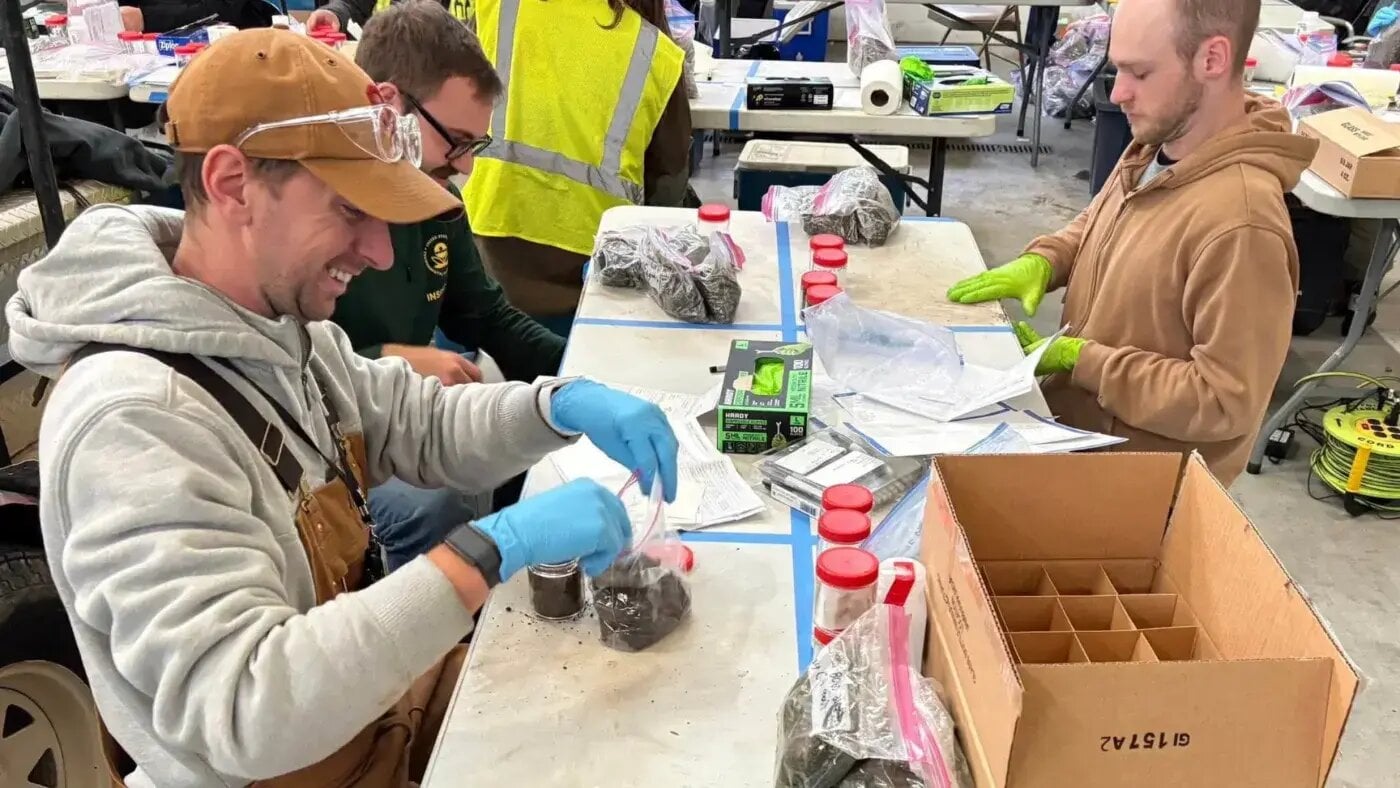
In a public statement released on Saturday, 28 November 2026, the EPA announced that preliminary testing found no lead in 38 post-detonation samples collected from public water supplies, which included finished treated drinking water and untreated water at intake points (BBC, Demokratis). Initial testing also identified no detonation-associated lead in 26 non-drinking water sources, such as lakes and ponds (JournalArta).
Federal officials, including Bureau of Alcohol, Tobacco, Firearms and Explosives Director Robert Cekada, noted that the downward-facing explosives and blast channels successfully directed the energy into the ground to limit atmospheric dispersion (NewsBreak). Major General Eric Shirley stated that the operation achieved its goals without secondary explosions or infrastructure damage, reducing risks to surrounding communities as close to zero as humanly possible (Demokratis). Missouri Governor Mike Kehoe also reported that preliminary assessments showed successful containment (Demokratis).
| Monitoring Category | Initial Scope / Sample Count | Preliminary Findings |
|---|---|---|
| Public Drinking Water Supplies | 38 samples (treated and untreated intake water) | No lead detected (BBC) |
| Non-Drinking Water Sources | 26 samples (lakes and ponds) | No detonation-associated lead detected (JournalArta) |
| Airborne Monitoring | Tracked for 30 consecutive hours post-blast | Zero levels of airborne lead detected (NewsBreak) |
| Pre-Detonation Baseline Sampling | 35 drinking water sources across Iowa, Illinois, and Missouri | Established baseline levels prior to the blast (BBC) |
Community Concerns and Independent Scrutiny
Despite the reassuring initial results, experts and residents have raised persistent questions regarding government communication and the thoroughness of the response (JournalArta, Demokratis). Lead is a toxic heavy metal that does not break down over time, and health organizations emphasize that no level of exposure is safe, particularly for children and pregnant individuals (BBC, JournalArta).
Iowa Democratic Governor-elect Rob Sand criticized the communication surrounding the event and called for an investigation into how the stockpile was allowed to degrade so severely (JournalArta, Suaragarut). Purdue University professor Andrew Whelton argued that poor messaging created unnecessary stress, anxiety, and operational challenges for local businesses and agricultural operators (Demokratis).
Local agricultural producers have also expressed caution. Sue Dyer, a corn and bean farmer whose land is located roughly 18 miles southwest of the site, stated that advanced notice was minimal (JournalArta, Suaragarut). While she had her farmland sampled before the explosion, she plans to collect additional samples for independent verification alongside findings from the EPA and academic research groups (JournalArta, Suaragarut). Similarly, Wally Taylor, legal chair for the Sierra Club Iowa Chapter, noted that it remains too early to draw firm conclusions while awaiting independent research data (JournalArta).
What to Watch Next
- The EPA is processing and validating laboratory results for more than 3,200 air, soil, dust, and water samples collected before and after the explosion (BBC, Demokratis).
- Federal agencies have pledged to release ongoing updates as new validation data becomes available (BBC).
- Independent agricultural and academic testing groups are expected to release separate soil and water analyses in the coming weeks (JournalArta, Suaragarut).