Andy Burnham signs UK up to EU food and carbon rules in Brussels summit
Prime Minister Andy Burnham has secured a post-Brexit reset with EU leaders in Brussels, agreeing to a pact on food, carbon, and youth mobility.
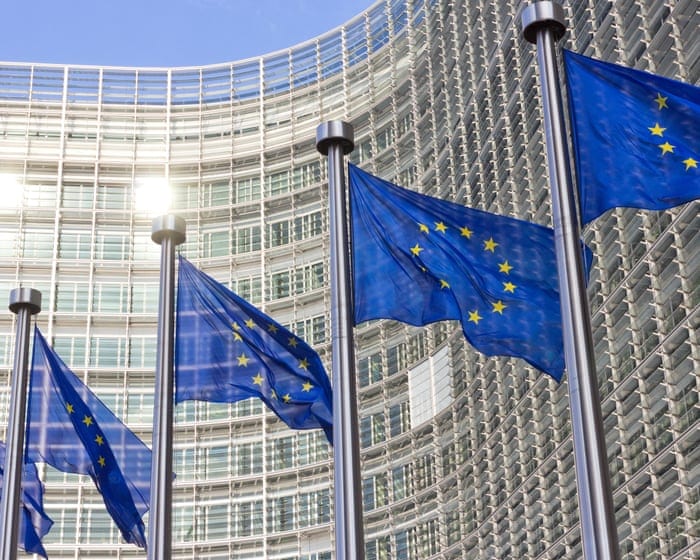
Prime Minister Andy Burnham secured a sweeping post-Brexit reset with European Union leaders in Brussels on Friday, 20 November 2026, though the package immediately triggered fierce political controversy across Westminster and EU capitals alike.
Standing alongside European Commission President Ursula von der Leyen and European Council President António Costa, the Prime Minister finalised an accord centered on three primary pillars: a sanitary and phytosanitary agrifood pact, the linking of carbon emissions-trading systems, and a reciprocal youth mobility initiative.
Media additions


According to Treasury figures cited by The i Paper, the comprehensive agreement is projected to deliver a £17bn boost to the economy by 2040. Proponents argue the measures will dismantle a decade of trade friction and economic drag. Critics from across the political spectrum, however, have condemned the pact as rule-taking without representation.
The Core Pillars of the Brussels Reset
At the heart of the agrifood agreement is the elimination of cumbersome border red tape that has plagued British exporters since the departure from the single market. Exporters have previously faced administrative burdens requiring hundreds of pages of documentation per lorry, alongside veterinary checks costing up to £1,400 for single shipments of items such as salmon, which contributed to a severe contraction in agri-food exports.
Under the new terms, the vast majority of animal, plant, and food product movements will proceed without current certification hurdles, allowing previously banned goods — including fresh sausages, burgers, seed potatoes, and molluscs — to re-enter the bloc. Both sides anticipate implementation of the agrifood provisions by 1 March 2028, according to reporting by The i Paper. In exchange, Britain has accepted the principle of dynamic alignment
, meaning the UK must update its domestic regulations in lockstep with evolving EU rules while possessing only an early decision-shaping role rather than a vote.
Pet owners will also benefit from a multi-use pet passport system, replacing individual animal health certificates for European travel.
Concurrently, the linking of the UK and EU Emissions Trading Systems (ETS) will exempt British exporters from impending EU carbon border adjustment taxes on high-carbon goods like steel and cement, as outlined by The i Paper. While proponents suggest this harmonization will stabilize long-term decarbonisation planning, analysts note that differing carbon pricing structures could introduce short-term cost pressures for British industry.
The third major pillar, the Youth Experience Scheme (YES), establishes a reciprocal framework allowing 100,000 citizens under the age of 32 from the EU to live, work, study, or travel in the UK for up to three years, with an identical quota for young Britons heading to Europe. EU and UK joint statements indicate an ambition to apply the scheme no later than 2028, ensuring full operational availability by January 2030.
Tuition Fee Sticking Point and Ratification Hurdles
Despite the celebratory atmosphere in Brussels, the summit faced a near-collapse over a late EU demand regarding higher education financing. European member states insisted that the UK reduce tuition fees for EU students down to the subsidized home-fee rate currently paid by British students, rather than international rates reaching up to £38,000 annually.
Because the two delegations failed to resolve the matter during the summit, they established a six-month window to negotiate a supplementing agreement. Crucially, reports highlighted by Briefings For Britain indicate that EU member states intend to withhold final ratification of the broader reset agreements until the UK concedes on the student fee issue, a concession estimated by some analysts to potentially cost British universities billions in lost fee revenue.
Political Fallout and Divergent Perspectives
The summit reactions laid bare deep ideological fault lines over Britain's long-term trajectory. European leaders echoed this positive framing, with Ursula von der Leyen hailing the summit as a turning point
and welcoming British youth back to educational exchanges.
Conversely, opponents launched blistering attacks. Reform UK leader Nigel Farage, speaking at a Brussels press conference alongside policy analysts, accused the Prime Minister of naivety and falling victim to EU strong-arming over tuition fees.
| Policy Area | Proposed Benefit / Objective | Identified Cost / Risk |
|---|---|---|
| Agrifood (SPS) Agreement | Eliminates border red tape and checks; restores exports of banned products like fresh sausages and seed potatoes by March 2028. | Requires dynamic alignment with EU rules with no voting rights; potential import and administrative costs. |
| Emissions Trading System (ETS) | Links UK and EU systems, exempting British exporters from EU carbon border taxes. | Divergent baseline carbon prices could raise short-term costs for UK businesses. |
| Youth Experience Scheme | Enables 100,000 young people under 32 from each side to live, work, and study abroad for up to three years. | Concerns raised over labour market competition and university fee concessions tied to broader approvals. |
Writing for Briefings For Britain, researchers challenged the government's economic projections, arguing that the recurring regulatory and access costs could outweigh projected gains.
What to Watch Next
- Parliamentary Scrutiny: The government is expected to lay foundational legislation regarding the Brussels agreements before Parliament within the week, sparking the first major legislative test of the reset.
- Tuition Fee Negotiations: UK and EU delegations have exactly six months from the summit date to resolve the contentious dispute over European student fee structures.
- Ratification Timeline: Member states will evaluate progress on student fees before formally ratifying the agrifood and emissions frameworks.
- Broader Horizon Talks: Further discussions regarding potential integration into the EU's electricity market are slated to conclude through 2027.
For ongoing updates on parliamentary developments, visit News coverage.