Australians warned to brace for severe hay fever season ahead
Allergy sufferers across Australia are being warned to prepare for an above-average pollen season as severe weather and El Niño patterns converge.

Australians are facing a difficult season ahead as a combination of severe environmental conditions, volatile global energy markets, and shifting economic pressures converge across the country.
According to 7NEWS reporting, allergy sufferers are being warned to brace for an above-average pollen season as spring arrives in Australia. Many individuals are turning to long-term treatments to keep their allergies at bay. The seasonal changes are already prompting severe reactions, with people reporting blocked noses, running and irritated eyes, and feelings of debility. Sufferers are reaching for antihistamines, with some spending hundreds of dollars every month on medication.
Media additions

To combat the financial and physical toll, some are turning to allergen immunotherapy or desensitisation before the sneezing starts. Dr Aaron Chambers from Allergy First explained the medical procedure in 7NEWS:
"It’s a treatment that’s given as an injection once a month for three to five years to help switch off your immune system and effectively cure allergy."
Dr Aaron Chambers, Allergy First, via 7NEWS
Alternative daily drops under the tongue are also available. Dr Chambers noted that well north of 50 to 60 per cent of people have very significant improvement.
Aerobiologist Dr Kira Hughes warned in 7NEWS that pollen usually peaks around early November, but this year experts warn the season could strike earlier and harder. Hot, dry, and windy conditions create the optimal environment for plants to release pollen. High pollen counts paired with thunderstorms can also trigger asthma, prompting warnings to reduce time spent outdoors, especially on high pollen days.
This climate pressure forms part of a broader weather shift across the nation. According to Yahoo News Australia, the Bureau of Meteorology on Thursday released its long-range forecast for November to January, sharing a mixed bag of weather for the rest of 2026. Two major climate drivers—the Indian Ocean Dipole and El Niño—are joining forces. October was wetter than average across most of the mainland, with Queensland and northern NSW experiencing heavy rain and flooding, while Tasmania recorded two consecutive days above 30 degrees for the first time in October.
Bureau of Meteorology hydrologist Dr David Wilson explained the outlook in Yahoo News Australia:
"There is an increased chance of unusually warm days, meaning temperatures in the top 20 per cent for this time of year."
Dr David Wilson, Bureau of Meteorology, via Yahoo News Australia
Dr Wilson added that unusually warm nights will offer little break from the heat, elevating the risk of heatwaves and marine heatwaves, especially in the southeast early in the season. However, he stressed that a strong El Niño event doesn't necessarily mean stronger impacts for Australia, noting that as the climate warms, more moisture in the atmosphere can increase the risk of heavy rainfall and flooding.
At the same time, households are navigating compounding economic strains. InDaily South Australia reported that dark clouds are gathering on the economic horizon despite the addition of more than 76,000 jobs in June. Following a strong labour force report released on Thursday, bonds traders ratcheted up expectations that the Reserve Bank will raise interest rates for a fourth time in 2026. The market has now full priced in for a rate hike by Christmas.
Economic Indicators and Forecasts
| Indicator | Current Figure / Observation | Forecast / Context |
|---|---|---|
| Unemployment Rate | 4.4 per cent nationally; Victoria at 5.1 per cent | Higher than RBA's June quarter forecast of 4.2 per cent |
| Brent Crude Oil | Rose to more than $US96 a barrel | Up from $US72 a barrel in recent weeks |
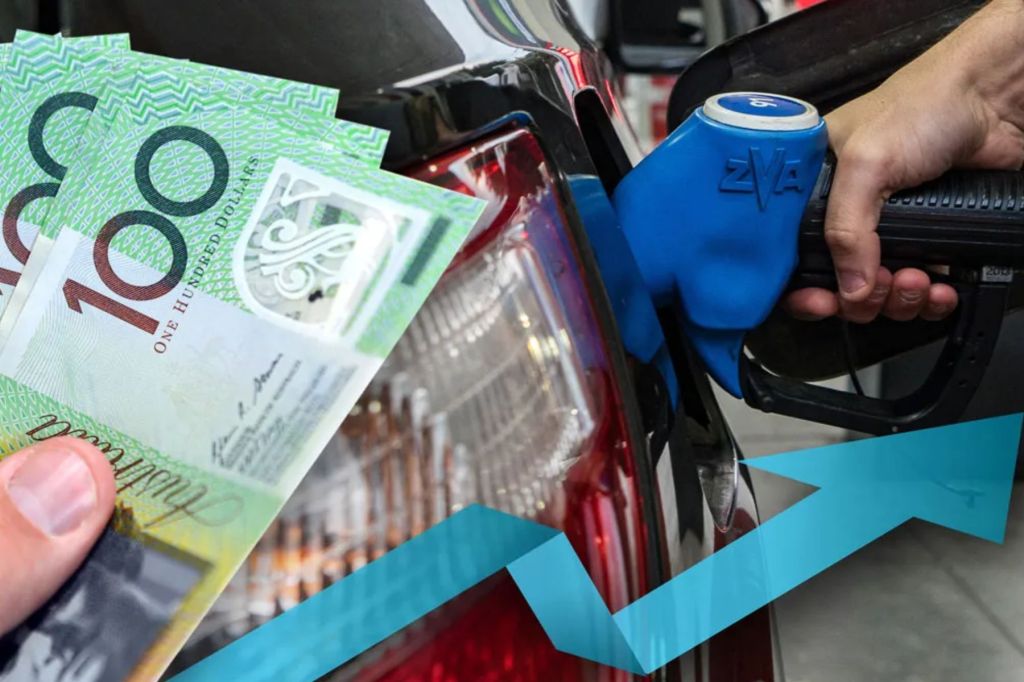
| Petrol Prices | Expected to top $2 a litre | Impacted by Middle East hostilities and a 16 cents a litre fuel excise resumption on August 2 |
| Interest Rates | Market fully priced in a rate hike by Christmas | Fourth rate hike anticipated for 2026 |
Geopolitical tensions are driving domestic cost pressures. Renewed hostilities in the Middle East have sent oil prices rising again from $US72 a barrel to more than $US96 a barrel in recent weeks. Economists at National Australia Bank warned in InDaily South Australia that the cost shock looks set to be less of a one-off spike and instead something that proves more grinding and protracted. Commuters could soon again see petrol prices above $2 a litre, compounded by 16 cents a litre being added to fuel prices from August 2 with the full resumption of the federal excise.
Commonwealth Bank head of Australian economics Belinda Allen noted that while higher oil prices risked pushing inflation higher, they also posed risks for growth. Meanwhile, political friction has intensified around the labour market. Federal opposition employment spokesperson Jane Hume stated in InDaily South Australia that Victoria’s economy is leading the way down, with the state’s unemployment rate climbed to 5.1 per cent, serving as a warning sign that both the Allan and Albanese governments are failing to create the economic conditions businesses need to invest, grow and create jobs.
What to Watch Next
- Late July 2026: Release of the June quarter inflation data, which will be crucial to the RBA’s next rates decision in August.
- August 2, 2026: Full resumption of the federal excise, adding 16 cents a litre to fuel prices.
- November 2026 to January 2027: Peak of pollen around early November, alongside the beginning of the tropical cyclone season in November and heightened summer heatwave risks driven by El Niño and the positive IOD.