Energy bills set to soar as Ofgem predicted to raise price cap by 26% from January
Households across England, Scotland, and Wales face a steep surge in heating and electricity costs as Ofgem prepares to adjust the energy price cap.
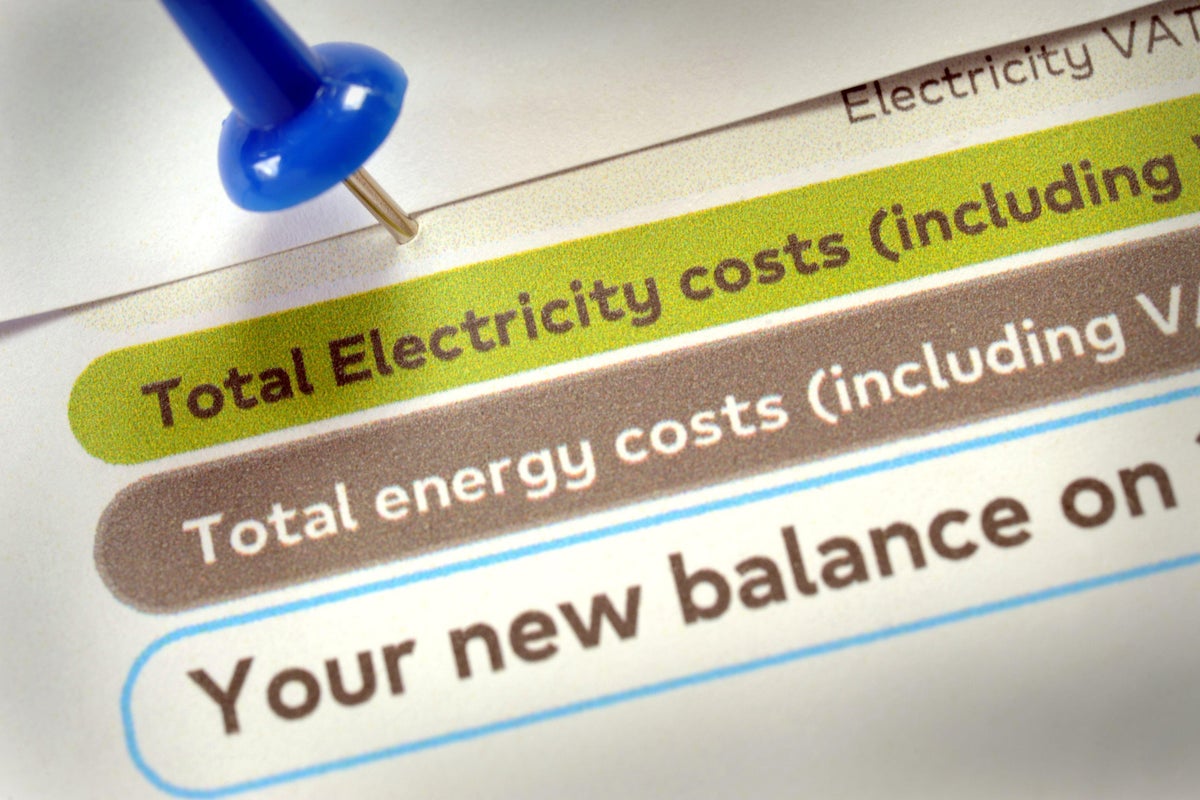
Households across England, Scotland, and Wales face a steep surge in heating and electricity costs as the energy regulator Ofgem prepares to unveil adjustments to the household energy price cap.
According to The Independent and Newswav, analysts at Cornwall Insight have projected that the energy cap is likely to rise by 26 per cent to £2,166 from January 1. This potential adjustment could see a typical household’s dual-fuel bill jump by £443, taking the cap to its highest level in four years. The upcoming announcement follows an earlier increase of 4 per cent at the start of the previous month.
Media additions
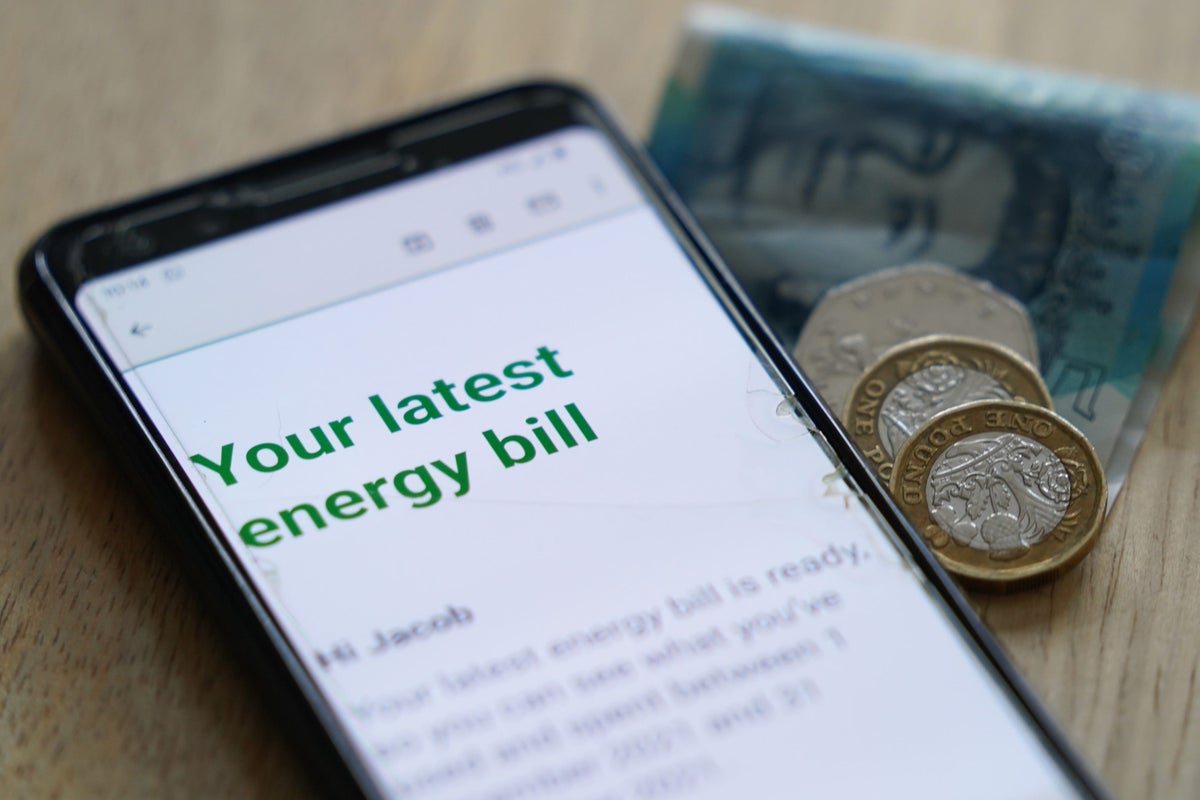

Reporting by the BBC notes that broader pressures on household budgets stem directly from international conflict. Escalating violence involving the US, Israel, and Iran has severely disrupted global energy markets. The effective closure of the Strait of Hormuz — a crucial shipping route through which a fifth of the world's oil and gas flows — triggered a 25 per cent increase in the global price of gas. Wholesale prices, which make up about 40 per cent of a household gas and electricity bill, surged through October amid deepening fears of constrained gas supply levels in Europe. Although wholesale prices have since eased back enough to support a reduction in petrol prices, the relief arrived too late to influence the calculations for the upcoming price cap.
The regulatory cap covers millions of homes on variable tariffs in England, Scotland, and Wales, though regulation and bills differ in Northern Ireland. Approximately 40 per cent of bill-payers are on fixed tariffs and remain unaffected until their current terms end. To calculate the impact, Ofgem traditionally evaluates a typical household using specific annual energy consumption figures, though the regulator has also discussed reducing its baseline consumption estimates as consumers increasingly cut back and improve energy efficiency.
| Metric / Source | Projected Increase | Estimated New Cap / Impact | Key Driver |
|---|---|---|---|
| Cornwall Insight (via The Independent & Newswav) | 26% rise | £2,166 annual cap (£443 jump) | Middle East conflict and October gas supply fears |
| BBC reporting (reflecting broader market shocks) | Variable impacts | Higher winter bills following global market turbulence | Closure of the Strait of Hormuz and regional conflict |
Government officials have pointed to ongoing mitigation measures. A spokeswoman for the Department for Energy Security and Net Zero highlighted that up to 20 million households will receive £100 towards their energy costs from next year, alongside the Warm Home Discount for vulnerable households and a temporary 5 per cent VAT cut on electricity bills lasting until June. Furthermore, the Chancellor announced in the autumn budget that gas standing charges will be scrapped in England, Scotland, and Wales.
Despite these interventions, consumer advocates warn that the measures fall short of protecting vulnerable residents during the coldest months. Simon Francis, coordinator of the End Fuel Poverty Coalition, cautioned that households are set to pay more for gas than ever before.
"Households are set to pay more for gas than ever before with changes coming in the depths of winter. For millions of people that equals cold homes, mounting debt and having to make impossible choices. It means parents going without so their children can stay warm, people who rely on medical equipment rationing their electricity and households on prepayment meters left with no heat at all once their credit runs out."
Simon Francis, coordinator of the End Fuel Poverty Coalition, via The Independent
Energy Secretary Ed Miliband described the rising price cap as deeply unwelcome news driven by a conflict the country did not choose. Meanwhile, energy suppliers and support organizations suggest that while major structural changes require government intervention, smaller household adjustments, ranging from draft-proofing to utilizing community-led solar panel grants, remain vital for managing immediate costs.
Ofgem is officially scheduled to reveal its latest energy cap figures covering the period from January to March on Wednesday. Households across the affected regions await the definitive figures to determine the exact scale of their winter utility expenses.