US jury convicts Huawei of bank fraud and trade secret theft, acquits of racketeering
A federal jury found Huawei Technologies guilty of bank fraud and trade secret theft across 10 felony counts while clearing the company of racketeering.
An American jury convicted Huawei Technologies on multiple felony counts including bank fraud and industrial espionage conspiracies, though it rejected the government's sweeping attempt to brand the global telecommunications giant as an organized criminal enterprise.
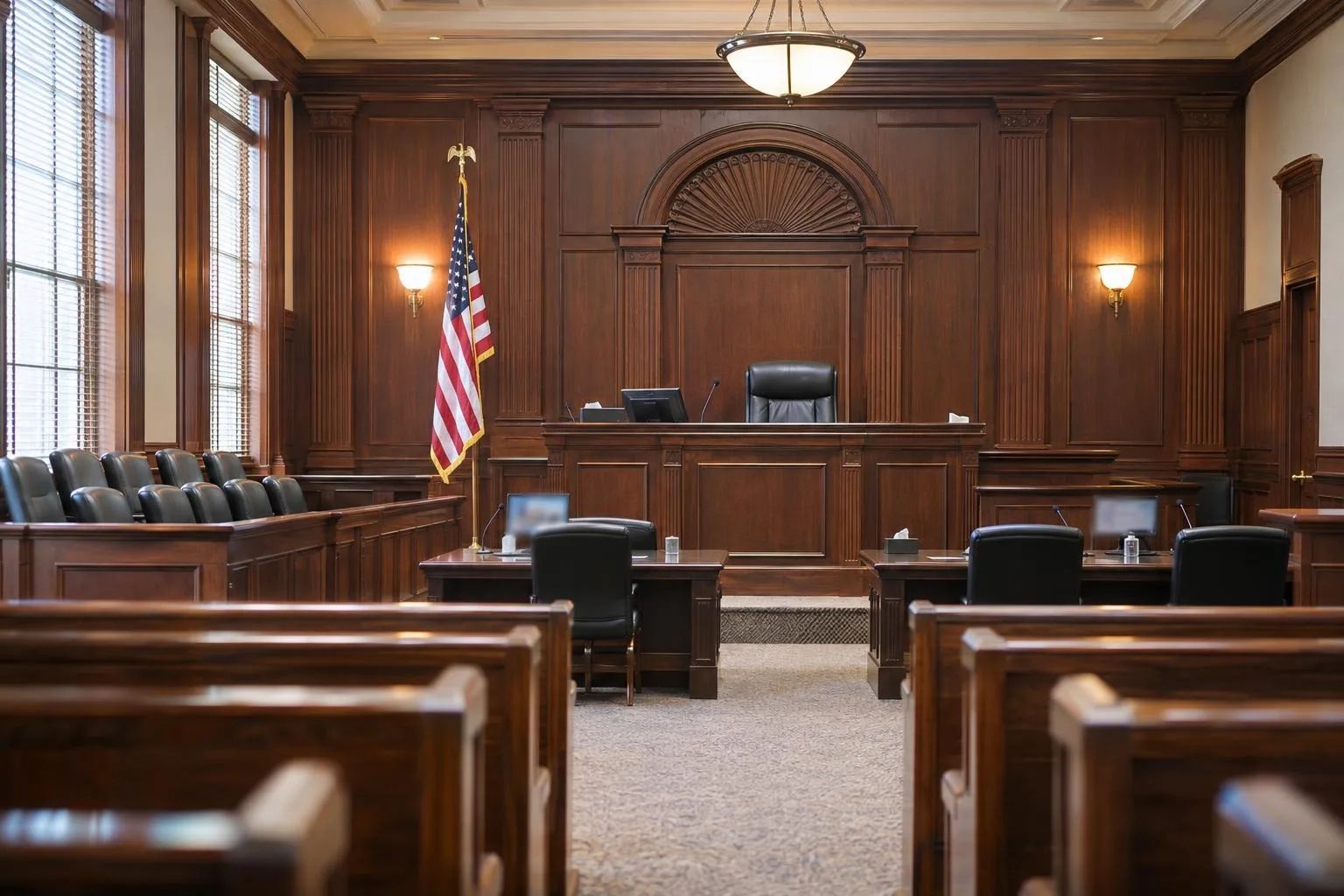
The landmark verdict, delivered on Tuesday, November 24, 2026, at the US District Court for the Eastern District of New York in Brooklyn, marks a pivotal moment in a legal battle that began with the detention of a top executive in Canada. Jurors spent roughly four days deliberating following an arduous trial that ran for more than two months, presiding over proceedings overseen by US District Judge Ann Donnelly, according to reporting by Startup Fortune.
Media additions


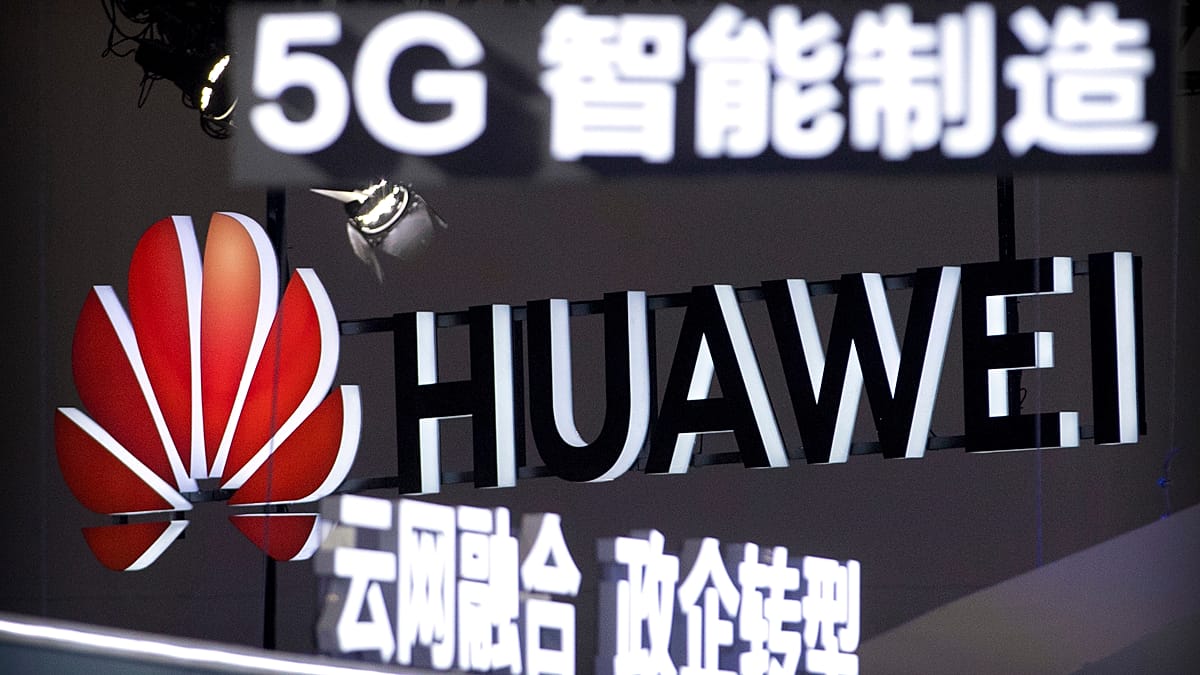
Out of 12 criminal counts brought against Huawei and its affiliates, the jury convicted the company on 10 counts. These included conspiracy to steal trade secrets, bank fraud, wire fraud, money laundering, defrauding the United States, and conspiring to violate US sanctions by conducting unauthorized business in countries such as Iran and North Korea, as detailed by The Verge and NBC News. However, the panel cleared the technology giant of the gravest charge it faced: an overarching racketeering conspiracy under the Racketeer Influenced and Corrupt Organizations Act, alongside a separate count of conspiracy to obstruct justice, according to Kiprinform and The Verge.
Federal prosecutors argued during the trial that Huawei spent decades employing deception, financial fraud, and industrial theft to secure a competitive edge. Assistant US Attorney Meredith Arfa told jurors that the corporation's leaders set a tone that encouraged staff to lie to banks and steal intellectual property, according to reports by Euronews and Al Jazeera. To substantiate the espionage claims, the government presented evidence and video footage regarding specific misappropriated technologies.
Prosecutors alleged that Huawei personnel stole source code from Cisco Systems for routers, acquired antenna technology from Quintel, obtained circuit board designs via a hired professor from CNEX, photographed Fujitsu equipment at a trade show, and even removed a robotic testing arm from a T-Mobile laboratory, as outlined by Al Jazeera and The Killeen Daily Herald. Witnesses at the trial included more than 60 prosecution witnesses, whereas the defense presented testimony from 15 witnesses, according to Kiprinform.
| Trial Metric / Charge Category | Prosecution Position & Evidence | Defense Position & Verdict Outcome |
|---|---|---|
| Racketeering Conspiracy (RICO) | Argued Huawei operated as a corrupt enterprise with a corporate culture condoning systemic crime. | Acquitted by jury; defense called the charge a massive overreach built on isolated incidents. |
| Trade Secret Theft & Conspiracies | Presented evidence of source code copying, robot arm removal from T-Mobile labs, and stolen router manuals. | Convicted on trade secret conspiracy counts; defense argued disputes were old civil matters or public data. |
| Bank Fraud & Sanctions Violations | Alleged Huawei hid business dealings in Iran and North Korea, misleading international banks like HSBC. | Convicted on bank fraud counts; defense maintained banks were fully aware of Iran operations. |
| Obstruction of Justice | Highlighted intercepted calls discussing moving employees out of the US to evade investigators. | Acquitted by jury on the obstruction conspiracy charge. |
Huawei’s legal team fiercely contested the government's narrative. Defence attorney Brian Heberlig told reporters outside the courthouse that the prosecution had relied on innuendo, cherry-picked facts, and disgruntled former employees to construct a fictional plot, according to The Killeen Daily Herald. Heberlig argued that the company achieved its status through hard work, heavy research investment, and innovation rather than theft, pointing out that Huawei employs more than 200,000 workers across approximately 170 countries, as reported by Yahoo News and Al Jazeera.
"The RICO count that alleged that Huawei was a corrupt organisation, with a corporate culture and policy of committing crime. That was, in our view, a significant overreach, and the jury soundly rejected it."
Brian Heberlig, Defence Attorney, via Yahoo News
In an official statement reported by Yahoo News, Huawei stated that the racketeering acquittal confirmed the lack of factual basis for the most severe allegations and vindicated its position over the preceding eight years. Nevertheless, the company expressed mixed emotions regarding the remaining convictions and confirmed its intention to challenge the verdict on appeal, as noted by Kiprinform and Yahoo News.
The origins of this sprawling criminal case stretch back to December 2018, when Huawei's chief financial officer, Meng Wanzhou — daughter of the company's founder — was detained in Canada on a US extradition warrant, triggering a significant diplomatic standoff involving Washington, Beijing, and Ottawa, according to Al Jazeera. Meng ultimately secured her release in 2021 via a deferred prosecution agreement after acknowledging that the company conducted business in Iran, which led American authorities to drop the charges against her, as detailed by The Verge and The Killeen Daily Herald. The US government subsequently added Huawei to a trade blacklist in 2019, cutting off its access to vital American technology, as reported by Kiprinform and Al Jazeera.
US officials praised the jury's decision as a major vindication for national security and the rule of law. Acting Principal Deputy Assistant Attorney General M. Scott Proctor stated that Huawei had violated American laws and empowered foreign adversaries, according to The Bureau. Meanwhile, Brooklyn US Attorney Joseph Nocella Jr. Emphasized that no entity remains above the law, as reported by The Killeen Daily Herald. Conversely, Chinese officials criticized the prosecution as economic bullying that improperly weaponized national security pretexts to suppress domestic enterprises, according to The Killeen Daily Herald.
Industry analysts point out that despite enduring years of Western blacklists, spanning the United States, Canada, and the United Kingdom, Huawei has continued to thrive globally, expanding its footprint into consumer smartphones and domestic semiconductor manufacturing amid surging global demand for artificial intelligence infrastructure, according to Al Jazeera, The Killeen Daily Herald, and Startup Fortune.
What happens next
- Pre-sentencing motions and filings: Legal arguments and written responses ahead of sentencing are scheduled to commence in the third week of January, as reported by Startup Fortune.
- Sentencing hearing: Judge Ann Donnelly has scheduled Huawei's sentencing for September 14, 2027, where the company faces potential financial penalties including multi-billion dollar criminal fines, forfeitures, and restitution, according to Yahoo News, The Verge, and The Killeen Daily Herald.
- Appeals process: Huawei's defense counsel has announced plans for aggressive post-trial advocacy to minimize penalties, followed by a formal appeal through the federal court system, as noted by Kiprinform and Yahoo News. Additional international reporting developments can be monitored via World coverage.