UK net migration falls to 77,000, latest data shows
UK net migration dropped to 77,000 in the year to June 2026, marking a 92% fall from its peak driven by tighter visa rules and rising emigration.
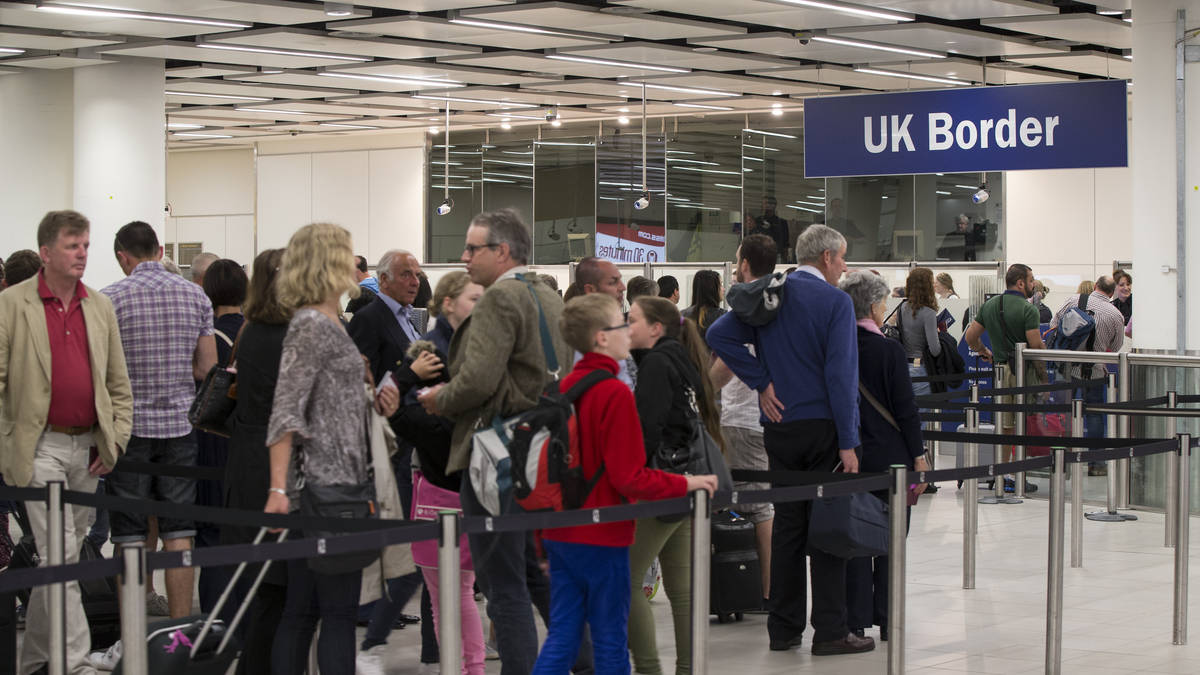
UK net migration has fallen to 77,000, and this rapid decline is now reshaping political debates over border control, public services, and economic growth.
Net migration to the UK dropped to an estimated 77,000 in the 12 months leading up to June 2026, according to provisional data released by the Office for National Statistics. This marks a decrease of more than half from the previous year's total of 204,000, and represents a 92% fall from the record peak of 944,000 recorded in the year to March 2023. According to reporting by Yahoo News and other outlets, this is the lowest annual total outside the Covid-19 pandemic since 1997. During the peak of pandemic travel restrictions, the figure dropped temporarily as low as 35,000 in the year to September 2020.
Media additions


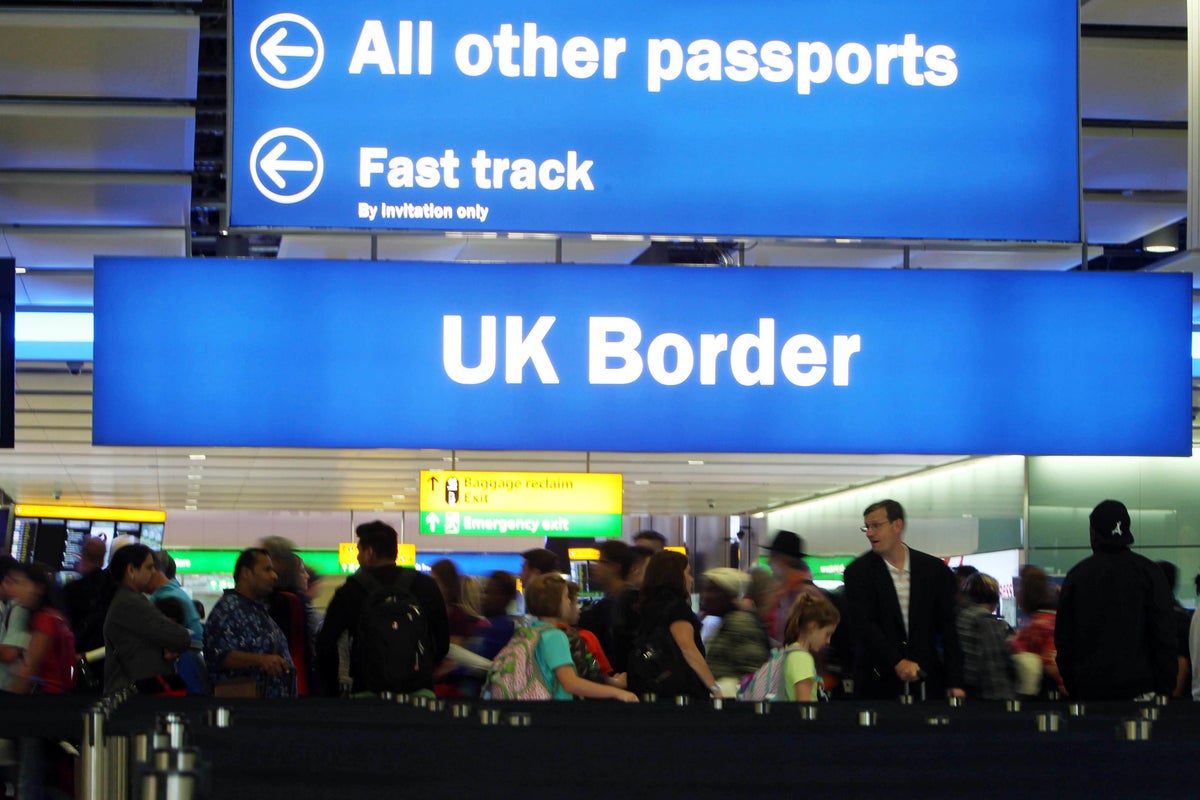
The dramatic contraction has been driven by a combination of falling immigration and rising emigration. An estimated 738,000 people immigrated to the UK in the year to June 2026, while 661,000 emigrated. The fall in arrivals has been particularly pronounced among non-EU nationals, driven by policy restrictions on work and study visas. These measures include higher salary thresholds, stricter graduate-level requirements, and bans on most overseas students and care workers bringing dependants with them. Social care work visa numbers fell sharply from a peak of 108,000 to just 1,400 in the prior year, following successive policy tightenings introduced by the previous Conservative administration and continued by the Labour government.
Concurrently, emigration has remained strong as foreign workers and international students who arrived during the post-pandemic "Boriswave" return home after completing their studies or visa terms. Data shows that more British and EU-plus nationals left the UK long-term than arrived. Net migration for British nationals remained stable at a negative balance, with an estimated 245,000 leaving in the year to June 2026 compared to 109,000 arriving.
Political leaders offered contrasting interpretations of the milestone. Home Secretary Shabana Mahmood stated: This Government has restored control. We have brought net migration to 77,000, down 92% from its peak under the Conservatives. Where they failed, we have delivered for the British people.
Meanwhile, Shadow Home Secretary Chris Philp argued that the reduction was mainly a result of changes made by the previous Conservative government,
and called for a legally binding annual inward migration cap set by Parliament at far lower levels.
Independent experts noted that the speed of the decline caught many policymakers by surprise. Dr Madeleine Sumption, director of the University of Oxford’s Migration Observatory, explained that the UK had entered a period of unusually low net migration due to the combination of restricted immigration rules and high ongoing emigration. Sunder Katwala of the think tank British Future pointed out that public perception has lagged behind the data, citing a recent study showing that over half of the public anticipated immigration would rise rather than fall in 2026.
| Period | Estimated Net Migration | Immigration Total | Emigration Total |
|---|---|---|---|
| Year to June 2023 (Peak) | 924,000 | Not reported | Not reported |
| Year to June 2025 | 204,000 | Not reported | Over 500,000 |
| Year to June 2026 | 77,000 | 738,000 | 661,000 |
Alongside the ONS migration data, the Home Office released figures covering asylum and irregular migration for the year to September 2026. These figures showed that 31,000 people were detected arriving in the UK illegally, with small boat arrivals accounting for 86% of that total. While small boat arrivals fell by 42% compared to the previous year, the average number of people per boat rose to 67. Additionally, the number of asylum seekers temporarily housed in UK hotels dropped to 13,185 at the end of September 2026, marking a 64% decline year-on-year from 36,273 and the lowest level since monitoring began in 2022.
Ministers have reiterated their pledge to end the use of hotels for asylum seekers by the next election, while analysts warn that sustained drops in migration below replacement levels could present new structural challenges for public finances, university funding, and key public services such as the NHS.