US launches new strikes on Iran as Trump warns of retaliation for deaths
President Trump has warned that Iran will pay a heavy price for the deaths of American soldiers as the U.S. conducts its tenth night of airstrikes.
- Core Development: President Trump has warned that Iran will pay a heavy price for the deaths of American soldiers as the U.S. conducts its tenth night of airstrikes.
- Beat Context: Categorized under News with independent corroboration.
- Reporting Depth: 3 minute analytical read synthesized from verified newsroom sources.
United States military forces carried out a fresh round of airstrikes against Iran late Monday, marking the tenth consecutive night of combat operations in a conflict that both Washington and Tehran acknowledge has entered a volatile new phase. The escalation follows the confirmed deaths of American service members, an event that has prompted President Donald Trump to issue a direct warning to the Iranian leadership.
In a post on Truth Social, President Trump declared that for every American soldier killed, Iran would pay many times over
. He further stated that this directive had been communicated to Secretary of War Pete Hegseth, Chairman of the Joint Chiefs of Staff Daniel Caine, and military leadership. According to the White House, the President is scheduled to attend a dignified transfer ceremony for the fallen personnel on Tuesday evening at Dover Air Force Base.
Media additions

Escalating Regional Conflict
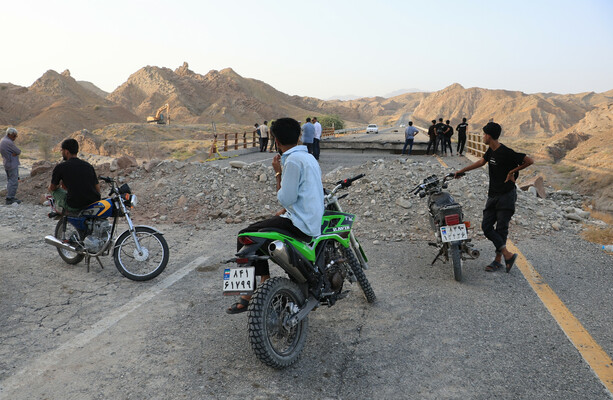
The latest strikes by U.S. Central Command are specifically designed to further degrade Iranian military capabilities used to attack commercial shipping in the Strait of Hormuz
, according to official statements. The waterway, a critical artery for global energy supplies, has become the central focus of the hostilities. The current fighting erupted after a June framework agreement and an earlier April ceasefire collapsed, leading to a reimposed naval blockade of Iranian ports by Washington and a reciprocal blockade of the strait by Tehran.
The situation widened further on Monday when Iranian-backed Houthi rebels in Yemen threatened a maritime blockade of Saudi ports. Such an action could force Riyadh to rely exclusively on its Red Sea port of Yanbu for oil exports, potentially complicating global energy logistics. Saudi Arabia has formally condemned the Houthi threat, characterizing the group as a terrorist Houthi militia
.
The conflict has also seen Iranian forces target U.S.-aligned nations across the region. The Iranian army reported striking assets in Kuwait, while the Revolutionary Guards claimed to have targeted sites in Bahrain, Jordan, and Syria. Jordanian authorities confirmed that their air defenses successfully intercepted three Iranian missiles, reporting no injuries or damage.
Diplomatic Uncertainty
Despite the intensification of military engagement, Iranian foreign ministry spokesman Esmaeil Baqaei indicated that diplomatic channels remain open. Ideas have been conveyed to us by certain mediators,
Baqaei said. Iranian Interior Minister Eskandar Momeni traveled to Pakistan on Monday for discussions, a move seen by observers as a potential attempt to navigate the current standoff. However, Iranian President Masoud Pezeshkian maintained a combative stance, stating that the Islamic Republic is now engaged in a full-scale war
.
Casualties and Economic Impact
The human toll of the conflict continues to rise, with the total number of American fatalities reaching 17 since the start of the current war. The Pentagon reported that nearly 100 U.S. Service members have been wounded since July 7, with the majority sustaining minor concussions. Meanwhile, Iranian authorities claimed that over 50 people have been killed and more than 500 wounded due to U.S. Strikes.
The instability has had immediate effects on the global economy. Oil prices surged to a one-month high on Monday, reflecting market anxiety regarding the potential for further disruptions to shipping through the Strait of Hormuz. In the United States, gasoline prices have climbed above the $4-a-gallon mark, a development that carries potential political implications ahead of the November midterm elections.
What to Watch Next
- Dignified Transfer: President Trump is set to honor the recently killed service members at Dover Air Force Base on Tuesday.
- Diplomatic Missions: Ongoing talks in Pakistan involving Iranian officials will be monitored for any indication of a formal ceasefire agreement.
- Maritime Security: Reports from the United Kingdom Maritime Trade Operations (UKMTO) regarding attacks on vessels in the Strait of Hormuz and off the coast of Oman remain a key metric for the success of U.S. Naval operations.
As the conflict enters its second week of sustained airstrikes, the U.S. Military continues to reposition assets, including fighter jets and refueling tankers, into the Middle East to maintain its operational posture.
How significant is this development?
Contribute your assessment to the aggregated reader sentiment ledger.
Frequently Asked Questions
Key questions answered in this reportWhat is the key development in: US launches new strikes on Iran as Trump warns of retaliation for deaths?
President Trump has warned that Iran will pay a heavy price for the deaths of American soldiers as the U.S. conducts its tenth night of airstrikes.
Why is this News development significant for the UK?
This report covers critical events in our News beat. Independent reporting monitors related UK statements, regulatory shifts, and public responses as further verified details emerge.
How was this reporting corroborated and verified?
Newsarchy UK compiles and cross-references reporting from primary reporting from apnews.com and cross-checked wire reports. All coverage adheres to published editorial standards.
When was this report published?
This briefing was published on July 21, 2026 and is permanently cataloged in the Newsarchy UK News archives.