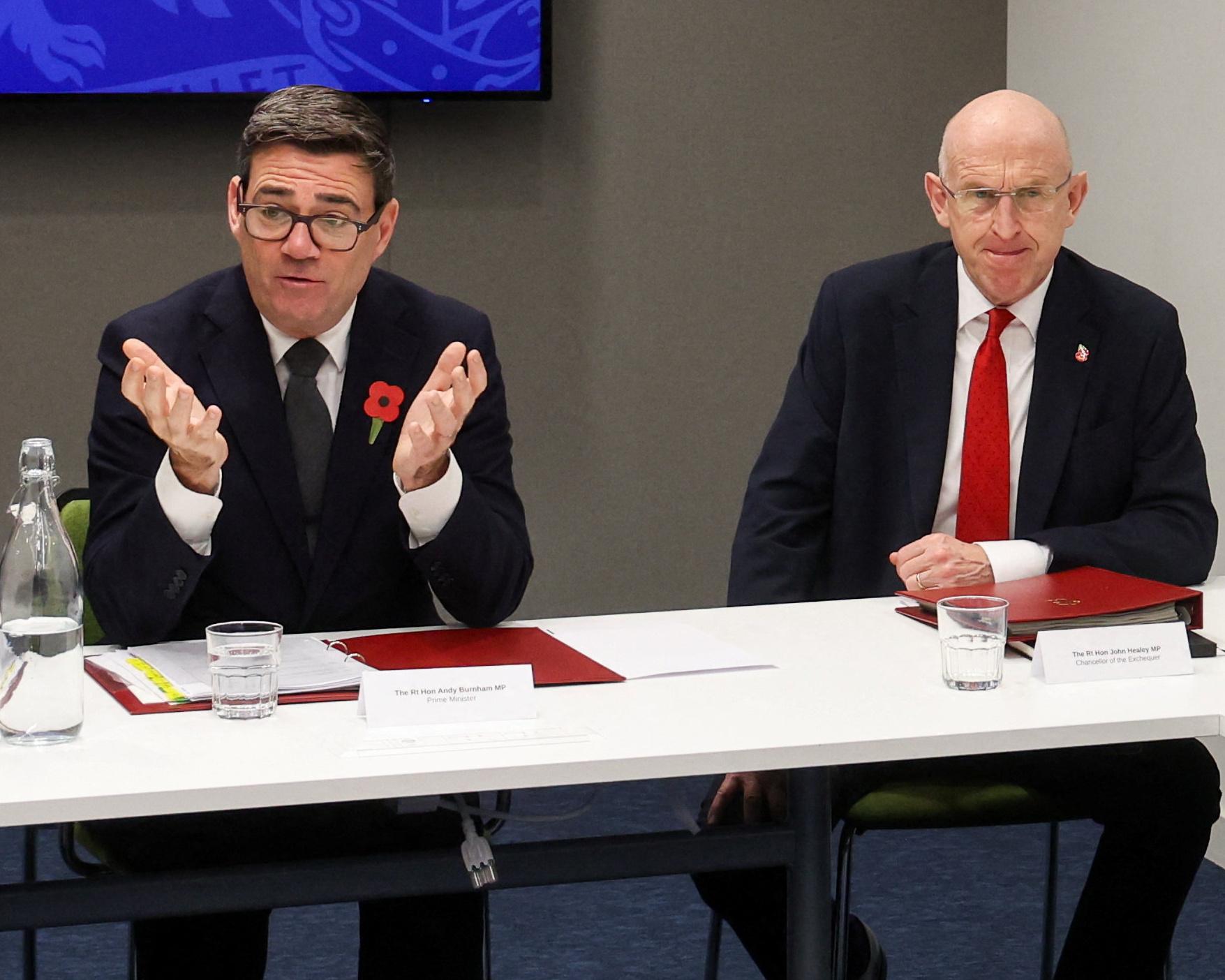
Andy Burnham pledges to end rough sleeping as he becomes prime minister
Andy Burnham has succeeded Sir Keir Starmer as the UK's prime minister, launching his administration with a pledge to end rough sleeping in England.
- Core Development: Andy Burnham has succeeded Sir Keir Starmer as the UK's prime minister, launching his administration with a pledge to end rough sleeping in England.
- Beat Context: Categorized under Politics with independent corroboration.
- Reporting Depth: 4 minute analytical read synthesized from verified newsroom sources.
Andy Burnham has assumed office as the UK's prime minister, succeeding Sir Keir Starmer and immediately setting out an ambitious domestic agenda anchored by a pledge to eradicate rough sleeping in England. In his first address following his elevation to No 10, Burnham rejected the notion that the crisis is intractable, declaring that a government can fix the issue if it chooses to do so. The administration swiftly backed up the rhetoric with a dedicated press release detailing an injection of funding and targeted assistance aimed at tackling homelessness, while framing the move as part of a much broader restructuring of the British state.
According to the official government announcement, an additional £340m will be directed toward delivering 1,200 homes alongside intensive support for at least 3,000 vulnerable individuals across a multi-year window. Proponents of the strategy argue that early intervention will relieve pressure on public services, pointing to estimates that keeping tens of thousands of people from losing their homes over a year could yield substantial savings for taxpayers. Yet the pledge represents only one facet of a sweeping governing platform that encompasses public utilities, housing, taxation, and constitutional reform.
Media additions


Central to Burnham's vision is a radical rebalancing of power away from Whitehall, overseen by a new No 10 unit based in Manchester. This body will be tasked with fostering equivalent living conditions across Britain, drawing inspiration from constitutional frameworks abroad, while extending existing devolution settlements deeper down into communities across England, Scotland, Wales, and Northern Ireland. Observers have noted that while regional leaders and some political figures anticipate a short-term polling boost—frequently described by senior Labour insiders as a potential Burnham bounce
—questions remain regarding how these sweeping structural ambitions will be financed and executed.
| Policy Area | Proposed Measure | Financial / Structural Detail |
|---|---|---|
| Housing & Homelessness | End rough sleeping and expand social rent | £340m for 1,200 homes and support for at least 3,000 people; shift entire affordable housing budget toward social rent |
| Devolution | Rewired Britain and deeper power transfer | New Manchester-based unit to promote equivalent living conditions and regional control over housing and transport |
| Social Care | Universal system reform | Potential replacement of inheritance tax with a national care levy; funding models projected to cost billions by the mid-2030s |
| Business & Economy | Rates overhaul and public utility oversight | 20% business rates cut for pubs and music venues funded by higher taxes on out-of-town warehouses |
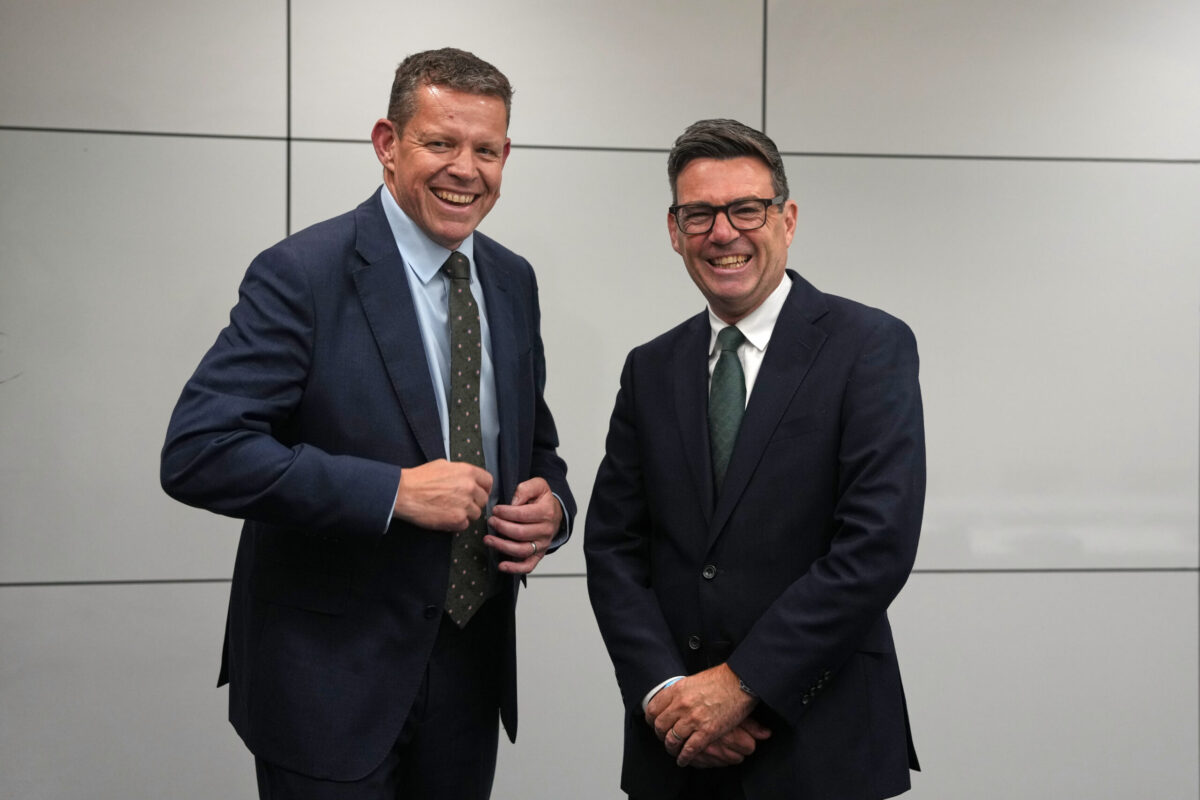
The challenges facing the new administration extend deep into questions of regional governance and economic levers. Writing for The Guardian, commentator Will Hayward drew upon a decade of covering Welsh politics to caution that transferring administrative responsibilities without adequate financial tools risks setting regions up to fail. Pointing to historic limitations on borrowing capacity and research funding disparities, the analysis stressed that a uniform, cookie-cutter approach to devolution ignores the distinct constitutional status of the UK's constituent nations.
These tensions were already visible during Burnham's earlier campaigning phase, when initial regional policy documents submitted across different parts of the country drew fierce local criticism for applying identical templates with interchangeable location names. Analysts have emphasized that any successful constitutional overhaul must avoid repeating past mistakes where devolved administrations were handed new responsibilities without the accompanying financial capacity to sustain them.
On the economic front, Burnham has vowed to adhere to existing debt and spending rules while keeping Labour's election promise not to raise the main rates of income tax, VAT, or National Insurance. Nevertheless, he has left room for manoeuvre regarding wealth taxes, capital gains tax, and potential adjustments to the income tax starting threshold and personal allowance. Discussions around public utilities echo the regional bus franchising model implemented in Greater Manchester, though concrete plans for sectors such as water and energy remain under development, alongside targeted relief for high street businesses funded by higher levies on large online retail warehouses.
Foreign policy and international relations also loom large over the incoming administration. Burnham has expressed a long-term desire for the UK to forge a closer relationship with European neighbours and eventually rejoin the EU, though he has ruled out immediate referendums. His government inherits live negotiations concerning youth mobility, food standards, and carbon pricing, alongside complex defence spending commitments and the ongoing task of managing diplomatic relations with the United States.
As the new prime minister settles into Downing Street, attention turns to the practical implementation of his manifesto and upcoming fiscal events. Read more political analysis and updates on our dedicated Politics coverage page, and stay informed on impending legislative decisions as the autumn Budget approaches.
How significant is this development?
Contribute your assessment to the aggregated reader sentiment ledger.
Frequently Asked Questions
Key questions answered in this reportWhat is the key development in: Andy Burnham pledges to end rough sleeping as he becomes prime minister?
Andy Burnham has succeeded Sir Keir Starmer as the UK's prime minister, launching his administration with a pledge to end rough sleeping in England.
Why is this Politics development significant for the UK?
This report covers critical events in our Politics beat. Independent reporting monitors related UK statements, regulatory shifts, and public responses as further verified details emerge.
How was this reporting corroborated and verified?
Newsarchy UK compiles and cross-references reporting from primary reporting from BBC and cross-checked wire reports. All coverage adheres to published editorial standards.
When was this report published?
This briefing was published on October 30, 2026 and is permanently cataloged in the Newsarchy UK Politics archives.