Russia tries to freeze Ukraine as it suffers record casualties and retreats
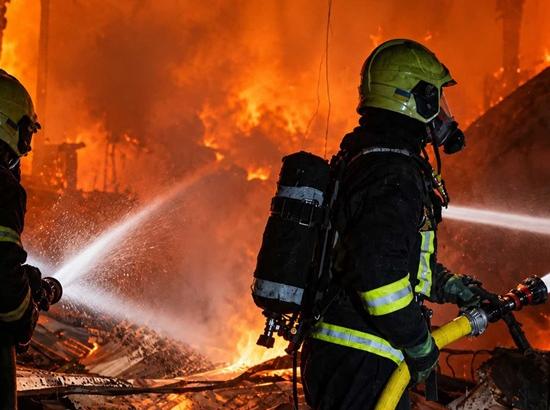
Russia intensifies aerial attacks on Ukraine's energy infrastructure ahead of winter, even as its forces face record casualties, severe fuel shortages, and strategic battlefield retreats.

- Core Development: Russia intensifies aerial attacks on Ukraine's energy infrastructure ahead of winter, even as its forces face record casualties, severe fuel shortages, and strategic battlefield retreats.
- Beat Context: Categorized under World with independent corroboration.
- Reporting Depth: 5 minute analytical read synthesized from verified newsroom sources.
Russia has intensified its campaign to freeze Ukraine ahead of the winter months, launching massive aerial bombardments against energy infrastructure, residential buildings, kindergartens, schools, and office buildings across the country, according to Al Jazeera reporting. Prime Minister Sergii Koretskyi stated on social media that such a massive and combined attack has not occurred since the end of the previous heating season, noting that enemy strikes on energy infrastructure have been relentless since the summer. This winter assault unfolds as Russian forces endure record personnel losses and strategic retreats on the eastern front, where Ukrainian defenders have pushed back through targeted counteroffensives and an unrelenting long-range drone campaign that has severely crippled Russian fuel production and e-commerce logistics.
The human toll of the conflict remains severe on both sides. Ukrainian military officials reported that Russian losses reached 46,230 killed or wounded in September, following a consistent monthly average of about 40,000 casualties since June. These figures approach the monthly target set by Ukrainian President Volodymyr Zelenskyy. A single-day peak occurred when Russia allegedly lost 2,090 troops, representing its highest 24-hour casualty rate of the war. While Al Jazeera could not independently verify these casualty figures, Ukraine stated it possesses video evidence for each casualty, noting that more than 90 percent result from first-person view drones.
Media additions

Despite these heavy losses, Russian forces have pressed forward in attempts to capture remaining unheld areas of the Luhansk and Donetsk regions, where casualties have concentrated. On the eastern front around Lyman, the Third Army Corps executed the third phase of a counteroffensive designated Operation Vivaldi. Brigadier General Andriy Biletsky explained that the corps succeeded by feigning a western assault that forced the Russian army to burn through reserves in counterattacks before striking from the north. Tactics included deploying remotely operated Russian armored personnel carriers packed with explosives directly into enemy defenses. According to Al Jazeera, Operation Vivaldi reclaimed 176 square kilometers of territory in recent weeks. Assessments by the Institute for the Study of War and DeepState place Russia's net territorial gains this year at 148 square kilometers, falling far short of the 5,300 square kilometers claimed by Moscow.
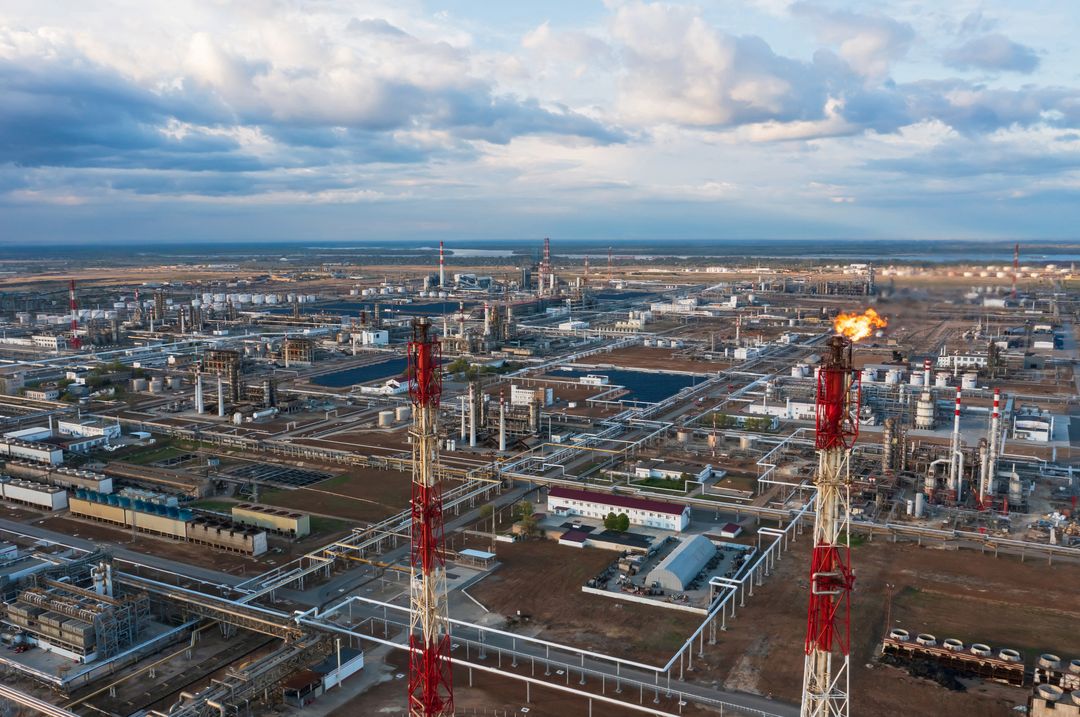
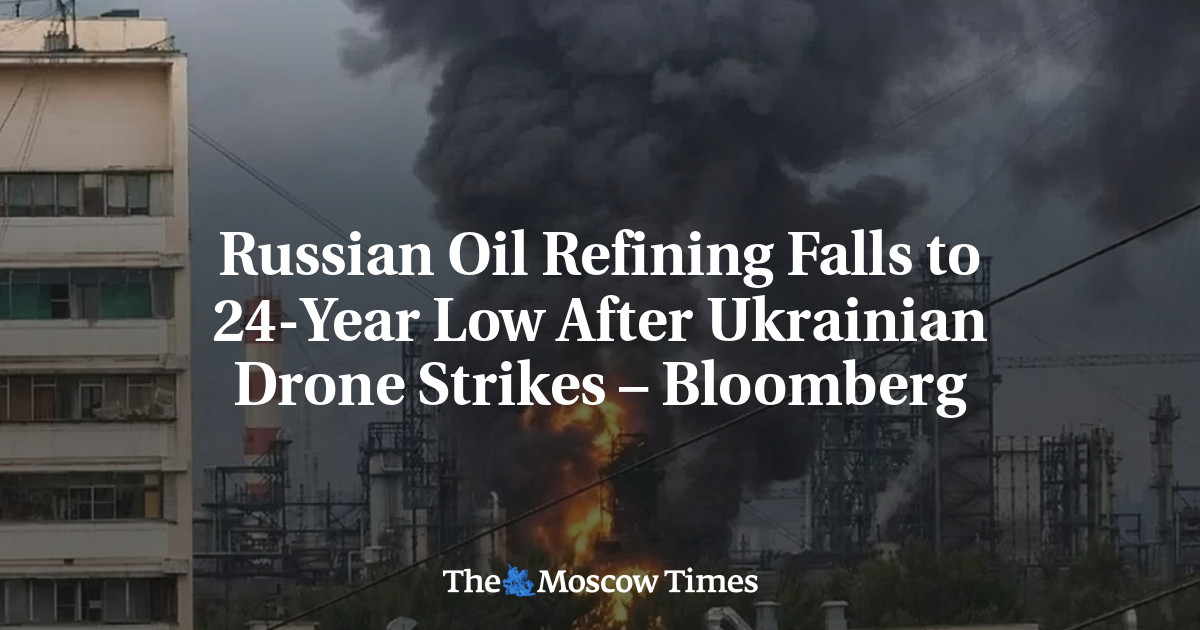
To starve the Russian war machine of fuel and disrupt its economic stability, Kyiv has maintained deep-strike operations against oil refineries, transport infrastructure, and industrial production facilities. According to The Moscow Times citing Bloomberg data, Russian oil refining fell in July to its lowest level in more than two decades, with refineries processing an estimated 3.6 million barrels of crude per day—roughly one-third below the seasonal norm and the lowest level since May 2002. Eighteen Russian refineries were targeted in July alone, matching an intensity previously seen in May when 17 refineries were struck. Major facilities hit across the campaign include the Omsk refinery, located nearly 2,500 kilometers from the Ukrainian border, as well as the Perm, Novoshakhtinsk, and Ilsky refineries.
| Metric | Previous Benchmark | Recent Figures / Impact |
|---|---|---|
| Russian Monthly Casualties | ~40,000 per month (since June) | 46,230 killed or wounded in September |
| Russian Oil Refining Volume | 5.3M – 5.6M barrels per day (2020–2025 norm) | 3.6 million barrels per day in July (24-year low) |
| Refinery Attacks (Monthly High) | 17 refineries targeted in May | 18 refineries targeted in July |
| Wildberries Warehouse Capacity Impact | Nationwide e-commerce logistics network | Up to 20% total warehouse space destroyed, ~7 of 10 largest hubs knocked out |
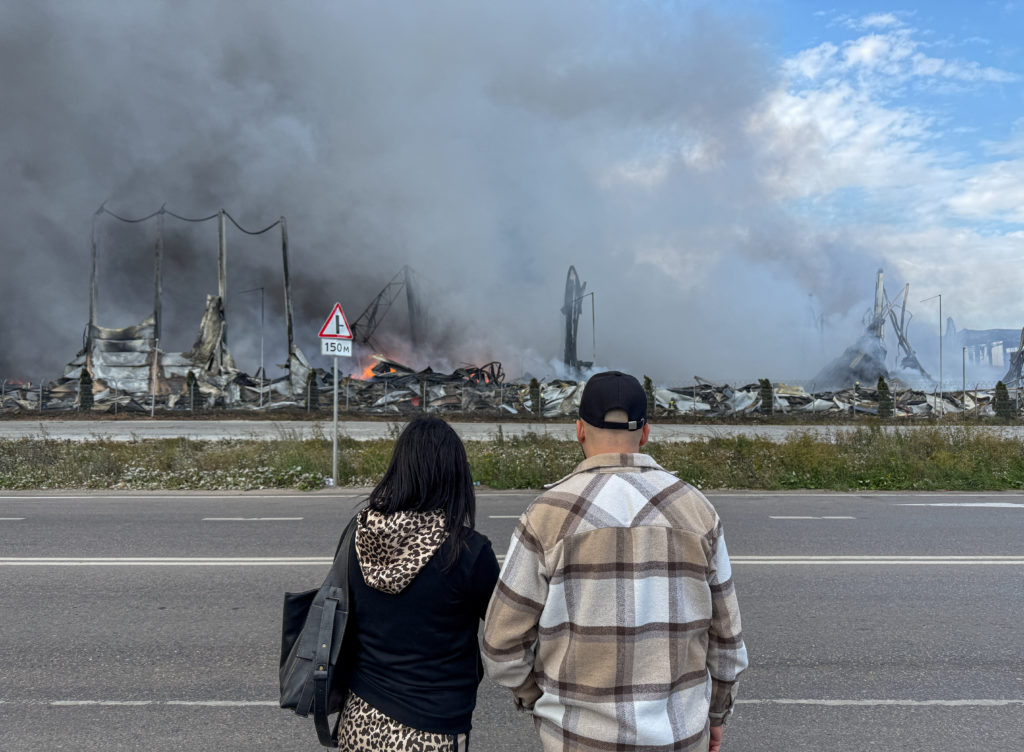
Expanding beyond traditional energy targets, Ukraine initiated a campaign against the commercial backbone of Russia by striking warehouses belonging to Wildberries, Russia's largest online retailer, as reported by Associated Press via PBS. Spanning locations from Moscow and St. Petersburg to the Ural Mountains, the drone attacks targeted about 20 mega-depots. These facilities, some measuring up to 300,000 square meters, lacked military-grade hardening and burned for days. The strikes destroyed billions of dollars in merchandise owned by hundreds of thousands of independent sellers, putting severe pressure on major financial institutions like VTB that extended massive loans to the retailer. Mykhailo Podolyak, an adviser to Zelenskyy, stated that the operations were designed to disrupt military supplies, breed popular discontent, and generate a domino effect within the Russian financial system.
Air warfare dynamics have simultaneously evolved with the introduction of jet-powered drones. While Ukrainian forces previously mastered the interception of propeller-powered Shahed drones with success rates exceeding 90 percent, interception rates dropped to 55 percent for jet-powered variants during the week ending October 1, as reported by Al Jazeera. Kyiv faces an ongoing shortage of interceptor missiles for systems like the Patriot, and multiple ballistic missiles successfully struck targets during late September. Meanwhile, Russian defense planning indicates plans to increase defense spending further. According to Al Jazeera, leaked documents cited by Reuters show Moscow aims to raise its defence budget to $204 billion next year through increased borrowing and nonmilitary budget cuts, while Ukraine seeks an additional $27 billion in meetings with the European Commission and International Monetary Fund to cover advance payments for early 2027 supplies.
The tactical reliance on autonomous systems has also reshaped international defense strategies. According to CNBC, NATO Secretary-General Mark Rutte announced the launch of the NATO Drone Edge initiative, committing allies to invest more than $40 billion in counter-drone capabilities over the next five years. Security analysts point out that Ukraine's rapid innovation cycles and agile procurement models have established a new baseline for modern warfare, shifting the balance of tactical expertise toward decentralized startups and battle-tested software solutions.
As winter approaches, the immediate trajectory of the conflict hinges on whether Russia's upgraded navigation beacons and jet-powered drones can systematically disable Ukraine's high-voltage power grids, and whether Ukraine's continued deep strikes can further constrain Moscow's fuel supply and economic resilience. Further developments are expected as international financial institutions weigh emergency funding requests and NATO allies begin rolling out their newly pledged counter-drone investments.
How significant is this development?
Contribute your assessment to the aggregated reader sentiment ledger.
Frequently Asked Questions
Key questions answered in this reportWhat is the key development in: Russia tries to freeze Ukraine as it suffers record casualties and retreats?
Russia intensifies aerial attacks on Ukraine's energy infrastructure ahead of winter, even as its forces face record casualties, severe fuel shortages, and strategic battlefield retreats.
Why is this World development significant for the UK?
This report covers critical events in our World beat. Independent reporting monitors related UK statements, regulatory shifts, and public responses as further verified details emerge.
How was this reporting corroborated and verified?
Newsarchy UK compiles and cross-references reporting from primary reporting from Al Jazeera and cross-checked wire reports. All coverage adheres to published editorial standards.
When was this report published?
This briefing was published on October 30, 2026 and is permanently cataloged in the Newsarchy UK World archives.