Andy Burnham's first week pledges total £1.5bn as he launches No10 North
Andy Burnham has opened a new northern government hub in Manchester, marking the start of his premiership with a suite of measures totaling £1.5 billion. The initiative aims to balance power between the capital and the regions, though critics have raised concerns regarding funding and the move's long-term impact.
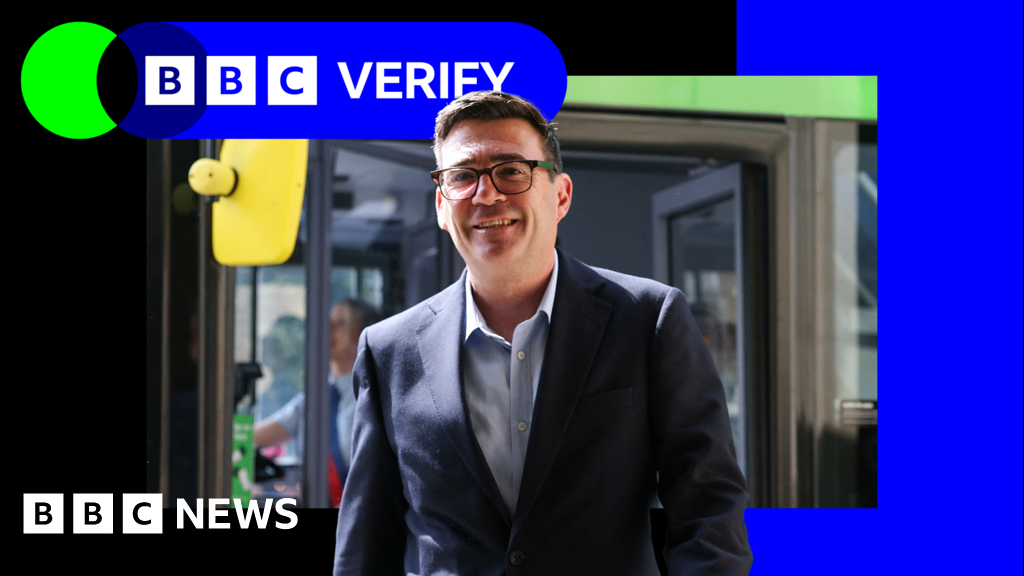
- Core Development: Andy Burnham has opened a new northern government hub in Manchester, marking the start of his premiership with a suite of measures totaling £1.5 billion. The initiative aims to balance power between the capital and the regions, though critics have raised concerns regarding funding and the move's long-term impact.
- Beat Context: Categorized under Politics with independent corroboration.
- Reporting Depth: 5 minute analytical read synthesized from verified newsroom sources.
Andy Burnham’s first week pledges total £1.5bn as he launches No 10 North
At the end of a whirlwind seven‑day start to his premiership, Labour Prime Minister Andy Burnham announced a package of cost‑of‑living measures worth about £1.5 billion – the first concrete output of his promise to “rewire Britain” from a newly‑opened northern headquarters.
The money‑heavy week mattered because it marked the first time a British prime minister has run government from outside the traditional Whitehall enclave, signalling a shift in how and where decisions are made. Burnham’s move to Manchester is intended to “balance power” between the capital and the regions, a theme he repeated in speeches, social‑media posts and at the inaugural meeting of the revived National Economic Council.
Media additions


From Downing Street to Heron House: a timetable
- Monday – Burnham delivered his “first instruction” to end rough sleeping, earmarking £340 million over five years.
- Tuesday – Treasury announced a VAT cut on domestic electricity, projected to cost £850 million in the 2026‑27 financial year.
- Wednesday – Department for Transport revealed a reduced bus‑fare cap, estimated to cost more than £500 million.
- Thursday – Business‑rate relief for pubs, clubs and live‑music venues was set to cost around £100 million a year.
- Friday – Burnham opened No 10 North at Heron House, chaired the first National Economic Council meeting and declared the site the “nerve centre of a rewired Britain”.
What the £1.5 billion covers
| Policy | Funding | Intended impact |
|---|---|---|
| Rough‑sleeping instruction | £340 million | Support at least 3,000 people over five years |
| VAT cut on electricity bills | £850 million | Reduce average household bill by roughly £45 annually |
| Bus‑fare cap (£2 from £3) | £500 million + | Make commuting cheaper outside London |
| Business‑rate cut for pubs, clubs, live‑music venues | £100 million per year | Relieve small‑venue operators |
The breakdown, compiled by the BBC, shows that each measure is being funded from “uncommitted” budgets, existing Cabinet Office allocations, or by reshuffling other spending programmes. For example, the VAT reduction is said to be payable by scrapping a previously announced digital ID scheme, although the Office for Budget Responsibility noted that the scheme was itself unfunded.
“I cannot tell you what a proud moment this is. I think this might be the best day of my life. I’m not joking either.”
Andy Burnham, Prime Minister, via The Standard
Burnham’s personal enthusiasm mirrored the theatricality of the launch. The building, Heron House at 47 Lloyd Street, was temporarily repurposed from a GCHQ hub and fitted with a replica Downing Street door – a symbolic gesture that the Mirror described as “the place where Whitehall meets the rest of the country”.
Critics, however, have warned against viewing the move as a mere “gimmick”. The Prime Minister’s own spokesperson insisted that No 10 North will be financed from existing Cabinet Office budgets, “with no additional cost to the taxpayer”. This claim was echoed by officials at Downing Street, who highlighted that the site will host up to 300 civil servants by the end of next year.
Policy context and fiscal headwinds
The spending package, while sizeable in absolute terms, represents roughly 0.1 % of total public expenditure projected at £1.4 trillion this year. Analysts at the Institute for Fiscal Studies cautioned that the funding assumptions for the bus‑fare cap, which relies on converting international climate‑project grants into loans, remain “unclear”.
Burnham’s broader agenda includes proposals that could dwarf the £1.5 billion tally. He has signalled a possible rise in the personal‑income‑tax allowance – an idea the IFS estimates could cost up to £9 billion – and has hinted at a “biggest council‑house building programme since the post‑war period”, which think‑tank estimates suggest could require another £13 billion a year. Both would have to be reconciled with the government’s pledge to keep borrowing for day‑to‑day spending under control.
Chancellor John Healey, who attended the Friday meeting, is expected to push defence spending up to 3 % of GDP by 2030, an increase that could add roughly £9 billion a year. The convergence of these large‑scale ambitions underscores why Burnham’s early‑stage spending commitments are being watched closely.
Political reactions
Opposition Conservative leader Kemi Badenoch dismissed the northern focus as “behaving like he’s still the mayor of Manchester”, questioning whether the model can deliver for the whole of the United Kingdom. Cbc reported that some critics also raised concerns about security costs associated with relocating civil servants and establishing a permanent campus, which is not slated for completion until 2032.
Supporters inside government framed the move as a concrete step toward devolution. First Secretary of State Louise Haigh told staff that No 10 North “is as much for Scotland, Wales and Northern Ireland as it is for the regions of England”, reinforcing the broadened ambition to shift decision‑making power down to local communities.
“It’s not just a new office. Through this place, power is going to flow, energy is going to flow, new ideas are going to come through… That is a different way of running Britain.”
Andy Burnham, speech to staff, via Manchester Evening News
What to watch next
- How the Treasury will reconcile the VAT cut with the unfunded digital ID scheme in the upcoming autumn budget.
- Whether the bus‑fare cap funding model survives scrutiny from the Institute for Fiscal Studies and the Office for Budget Responsibility.
- Progress on the permanent digital campus in Ancoats, slated for completion in 2032, and its impact on civil‑service relocation.\li>
- Reactions from regional mayors and devolved administrations after the first National Economic Council meeting.
- Potential legislative moves on the personal‑allowance rise and council‑house programme, both of which could reshape the £1.5 billion baseline.
Burnham’s inaugural week blended symbolic gestures with concrete fiscal measures. Whether the £1.5 billion spend will translate into lasting change depends on how the government navigates the fiscal constraints highlighted by watchdogs and opposition parties, and on whether the “nerve centre” in Manchester can deliver the promised “balance” between London and the rest of the country.
How significant is this development?
Contribute your assessment to the aggregated reader sentiment ledger.
Frequently Asked Questions
Key questions answered in this reportWhat is the key development in: Andy Burnham's first week pledges total £1.5bn as he launches No10 North?
Andy Burnham has opened a new northern government hub in Manchester, marking the start of his premiership with a suite of measures totaling £1.5 billion. The initiative aims to balance power between the capital and the regions, though critics have raised concerns regarding funding and the move's long-term impact.
Why is this Politics development significant for the UK?
This report covers critical events in our Politics beat. Independent reporting monitors related UK statements, regulatory shifts, and public responses as further verified details emerge.
How was this reporting corroborated and verified?
Newsarchy UK compiles and cross-references reporting from primary reporting from manchestereveningnews.co.uk and cross-checked wire reports. All coverage adheres to published editorial standards.
When was this report published?
This briefing was published on July 24, 2026 and is permanently cataloged in the Newsarchy UK Politics archives.