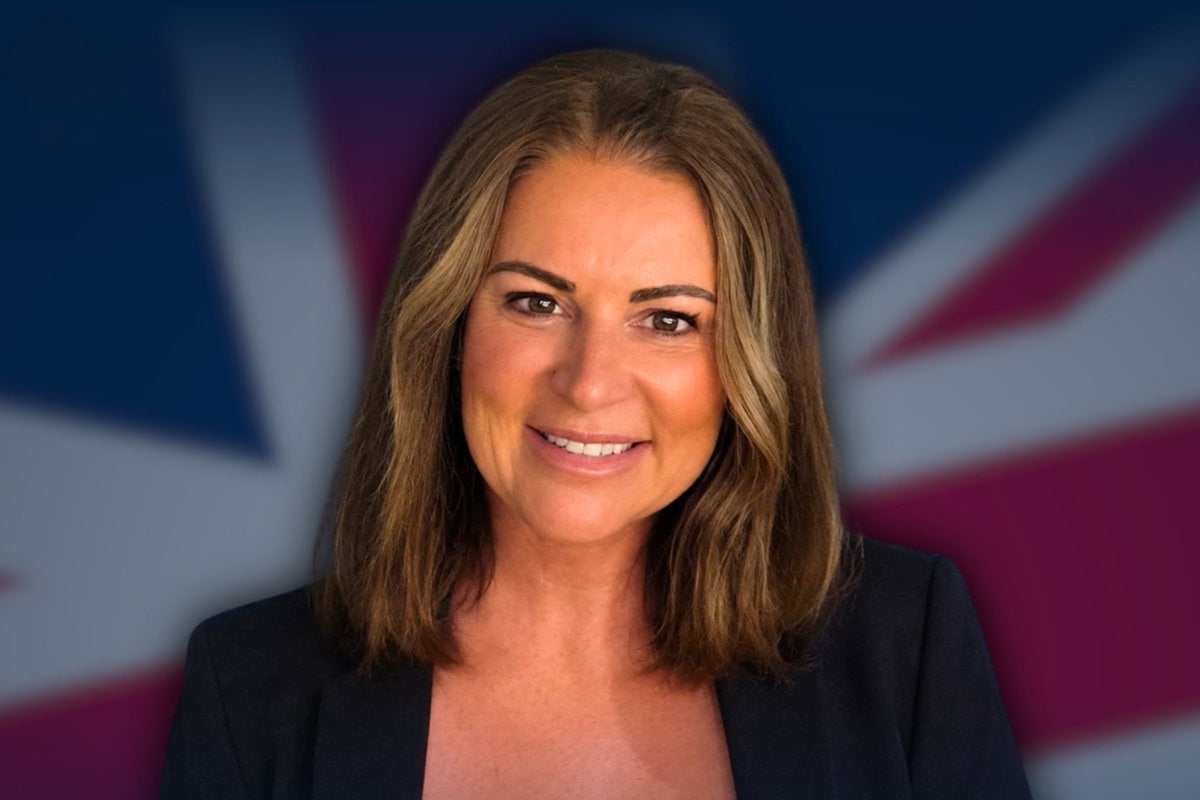
How England's class divide shaped Andy Burnham, the U.K.'s likely next prime minister
As Andy Burnham prepares to succeed Keir Starmer, his political identity rooted in regional advocacy and the Hillsborough inquiry defines his rise. His premiership aims to apply the Greater Manchester regeneration model on a national scale.
- Core Development: As Andy Burnham prepares to succeed Keir Starmer, his political identity rooted in regional advocacy and the Hillsborough inquiry defines his rise. His premiership aims to apply the Greater Manchester regeneration model on a national scale.
- Beat Context: Categorized under Politics with independent corroboration.
- Reporting Depth: 4 minute analytical read synthesized from verified newsroom sources.
As the United Kingdom enters a period of government transition, Andy Burnham is widely expected to succeed Keir Starmer as prime minister later this month. At 56, Burnham draws heavily on a political identity tied to his northern, blue-collar roots. Observers suggest this upbringing and his time as mayor of Greater Manchester have shaped his national policies and could help his center-left Labour Party win back working-class voters, some of whom have shifted to voting for right-wing parties in recent years.
Burnham was born in a suburb of Liverpool to parents who worked as a telephone engineer and a receptionist. He was raised in a village about halfway between there and Manchester. After graduating from Cambridge, he and van Heel stayed south, moving to London. Burnham was first elected to Parliament at age 31, with Labour, representing a northern district. He served as secretary of state for culture, media and sports under Prime Minister Gordon Brown, and in 2009, was sent to Liverpool to give a speech on the anniversary of the 1989 Hillsborough disaster, when nearly 100 soccer fans were crushed to death in an overcrowded stadium in northern England. It was the deadliest sports accident in British history. But the victims were labeled as hooligans, and many survivors and victims' families felt the government had not done enough to investigate. Initially, the crowd heckled Burnham. Fighting back tears, he abandoned his prepared remarks, nodding his head as the crowd chanted for justice.
"They were treated so badly, and [Burnham] was one of the first politicians to really listen,"
Charlotte Wildman, a University of Manchester historian who studies the working class.
Burnham launched a government inquiry that found police failures, not the victims themselves, were responsible for the disaster. That helped change a national stereotype, Wildman says.
Governance and the Manchesterism
Model
In the 1980s and '90s, Manchester was known for two things: post-industrial blight, and a vibrant indie music scene (with bands like The Smiths, New Order, The Stone Roses and Oasis). Burnham set out to fix the former, and immerse himself in the latter. Redevelopment was already underway in Manchester when Burnham took office, and he doubled those efforts, seeking to change the stereotype of his city, in the same way he'd done for soccer fans. He took control of city buses, and convinced the central government to devolve more powers over education and housing to cities like his. Today, Manchester's skyline is lined with construction cranes. An area of canals and former industrial warehouses hosts an arts center. There are glass skyscrapers that look more like Dubai than England. And Manchester now has one of the fastest-growing municipal economies in the United Kingdom. Burnham is pitching what he calls "Manchesterism" as a model for economic growth nationwide. He says he'll shift power away from the central government in London, toward cities and regions — and open a branch of Downing Street in the north.
"'Manchesterism' for us is people coming together to effect change, doing things for themselves, and having a real can-do attitude,"
Rose Marley, CEO of Co-operatives UK, a Manchester-based federation of cooperative businesses.
Burnham said in a June 29 policy speech: "Imagine good growth in every postcode and hope in every heart. Imagine no more, let's make it happen." He also promises to cut tax rates for retail businesses, build the most public housing since World War II, and cut welfare spending in a way that's "fair and lasting."
In October 2020, Burnham happened to be holding a news conference on live TV, when an aide passed him a phone with news of another lockdown — and the mayor reacted angrily, lashing out at the central government. Burnham's outburst went viral, and he became a national hero during those dark, uncertain days of the pandemic, says Joshi Herrmann, founder of The Mill, a local Manchester news site.
"He expressed helplessness, a feeling that perhaps the government didn't really understand what it's like to be in a place like Manchester. He really identified himself as a different type of politician in this country,"
Joshi Herrmann, founder of The Mill, a local Manchester news site.
Future Challenges
But he's likely to face many of the same challenges that hurt Starmer: low national growth, high energy prices, pressure to ramp up defense spending, amid Russia's ongoing war in Ukraine, and a certain volatile ally across the Atlantic. Governing a country rather than a city, he says, is something Britain's next prime minister will quickly have to get used to.
How significant is this development?
Contribute your assessment to the aggregated reader sentiment ledger.
Frequently Asked Questions
Key questions answered in this reportWhat is the key development in: How England's class divide shaped Andy Burnham, the U.K.'s likely next prime minister?
As Andy Burnham prepares to succeed Keir Starmer, his political identity rooted in regional advocacy and the Hillsborough inquiry defines his rise. His premiership aims to apply the Greater Manchester regeneration model on a national scale.
Why is this Politics development significant for the UK?
This report covers critical events in our Politics beat. Independent reporting monitors related UK statements, regulatory shifts, and public responses as further verified details emerge.
How was this reporting corroborated and verified?
Newsarchy UK compiles and cross-references reporting from primary reporting from knau.org and cross-checked wire reports. All coverage adheres to published editorial standards.
When was this report published?
This briefing was published on July 9, 2026 and is permanently cataloged in the Newsarchy UK Politics archives.