China tests submarine-launched nuclear missile in show of military power
The test-launch of a dummy warhead has sparked criticism from regional leaders and the U.S. regarding transparency and Pacific security pacts.
- Core Development: The test-launch of a dummy warhead has sparked criticism from regional leaders and the U.S. regarding transparency and Pacific security pacts.
- Beat Context: Categorized under World with independent corroboration.
- Reporting Depth: 4 minute analytical read synthesized from verified newsroom sources.
China conducted a test-launch of a long-range ballistic missile from a nuclear-powered submarine in the South Pacific on Monday, 6 July 2026. The operation, which involved a projectile carrying a dummy warhead, signals a shift in the regional security outlook as Beijing demonstrates the sea-based leg of its nuclear triad. This move serves as a public display of the nation’s evolving military capabilities and second-strike potential, occurring as China continues to modernize the People’s Liberation Army.
Operational Context and Disputed Details
The launch occurred at 12:01 p.m. Local time. While Beijing officially described the event as part of annual, routine training that complied with international law, the lack of technical specifics regarding the missile type and flight path has fueled international debate. Taiwan’s National Security Council identified the weapon as a JL-2, an older submarine-launched ballistic missile. In contrast, Chinese state media presented experts suggesting the test involved a JL-3, a system noted for an extended range capable of reaching targets on the eastern side of the Pacific from western launch points.
Media additions
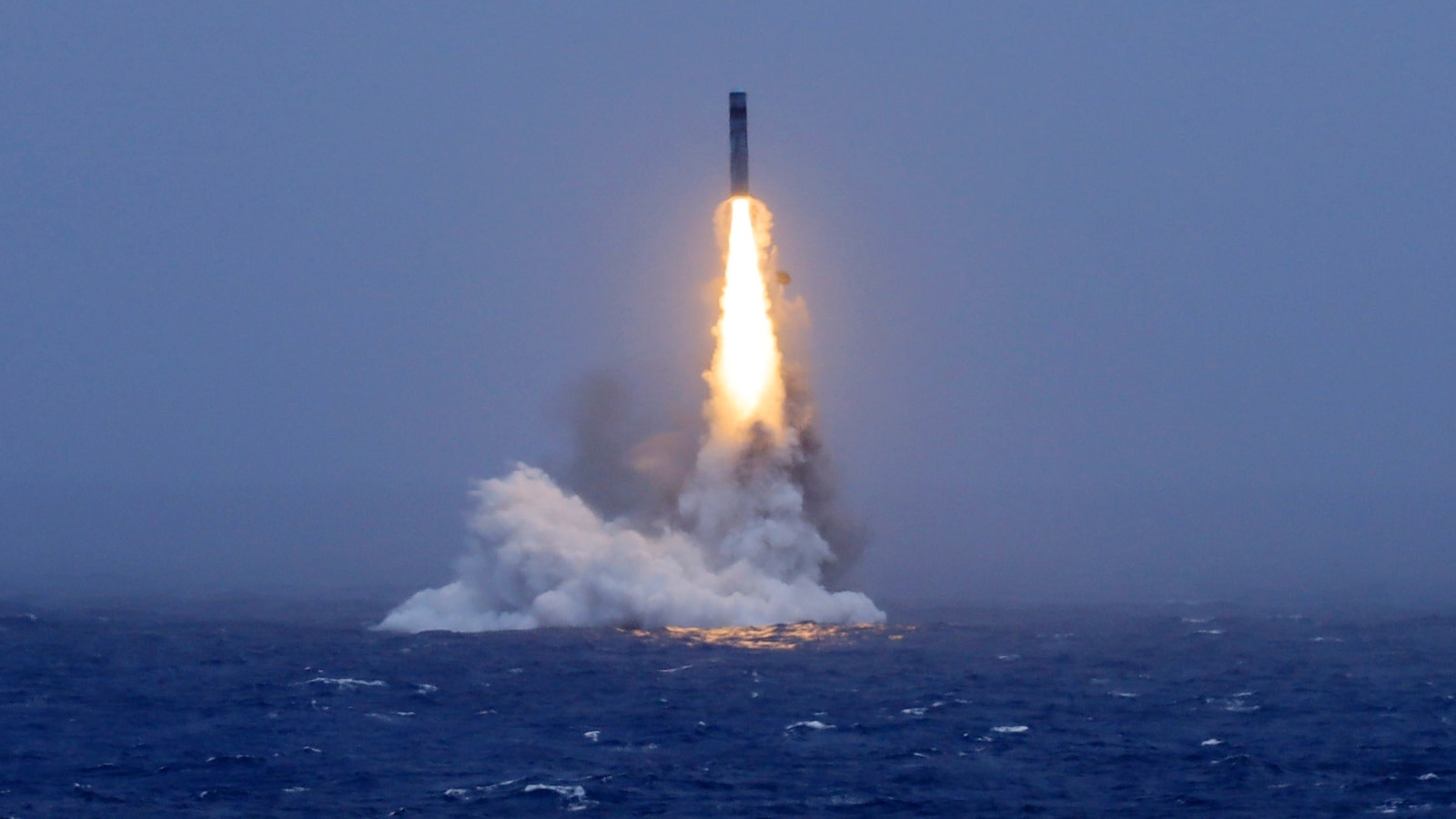


Analysts observe that the timing reflects a strategic progression in China’s nuclear forces. By moving beyond land-based intercontinental ballistic missiles, Beijing is positioning itself as a primary global nuclear power alongside the United States and Russia. Experts indicate the test is a systematic move rather than an isolated event, reflecting a broader strategy to diversify delivery systems.
Regional Repercussions and Treaty Concerns
The launch occurred within the South Pacific Nuclear Free Zone, an area established by the 1986 Treaty of Rarotonga. China ratified the protocols of this treaty in 1987, which prohibit the testing of nuclear weapons within the zone or threatening to use them against signatories with territory in the region. Regional leaders have expressed sharp criticism, linking the current test to historical grievances regarding nuclear contamination in the Pacific, which involved past detonations by the United States, the United Kingdom, and France.
The diplomatic fallout has been immediate. Australia, New Zealand, and Japan stated that the notice provided by Beijing was insufficient, arriving mere hours before the event. Solomon Islands Prime Minister Matthew Wale stated:
"China is a good friend of Solomon Islands, but this is not something a friend does. This is not … good in our region."
Matthew Wale, Solomon Islands Prime Minister, via AP News
The timing has led to speculation regarding its political intent, as it occurred the same day Australia and Fiji signed a new mutual defense treaty. Analysts suggest the launch was a calculated signal to Australia and its regional partners, warning against deepening security ties. This follows a trend of China using military signaling to influence Pacific nations, particularly as Australia has sought to bolster defense and security pacts with countries such as Vanuatu, Fiji, and Papua New Guinea.
Official Reactions and Transparency
The lack of transparency remains a central point of contention. While Beijing claims it informed relevant countries in advance, officials in Canberra, Wellington, and Tokyo expressed frustration over the late notification. The United States State Department also issued a rebuke, with spokesperson Thomas Pigott stating:
"Beijing’s rapid and opaque nuclear weapons buildup is of great concern to the region and the world."
Thomas Pigott, State Department spokesperson, via AP News
U.S. Officials continue to press for meaningful arms control discussions and a formalized, regularized notification arrangement for ballistic missile launches. Beijing, however, maintains that its actions are transparent and consistent with its long-term modernization goals. As of late 2025, reports indicated China operated a fleet of six ballistic-missile submarines and 59 nuclear-powered attack submarines, with an estimated stockpile of 600 nuclear warheads in 2024, aiming to exceed 1,000 by 2030.
| Event | Primary Objective |
|---|---|
| 2024 Land-based ICBM test | Assertion of superpower status and triad development. |
| July 2026 Submarine-launched test | Deterrence against security treaties and sea-based capability demonstration. |
What to Watch Next
- Defense Modernization: Observers await evidence of potential air-launched ballistic missile testing, which would complete the modernization of China’s nuclear triad.
- Pacific Security Pacts: Australia is in the process of negotiating a comprehensive treaty with the Solomon Islands; the success of this negotiation will test the resilience of regional security ties against Chinese pressure.
- Arms Control Dialogue: Whether the United States or its regional allies will alter their security postures remains a primary question as international pressure for standardizing missile launch notifications grows.
The focus now shifts to whether the demonstration of a mobile nuclear deterrent will influence the speed at which Pacific nations integrate their security frameworks with those of Australia, the United States, and their regional partners.
How significant is this development?
Contribute your assessment to the aggregated reader sentiment ledger.
Frequently Asked Questions
Key questions answered in this reportWhat is the key development in: China tests submarine-launched nuclear missile in show of military power?
The test-launch of a dummy warhead has sparked criticism from regional leaders and the U.S. regarding transparency and Pacific security pacts.
Why is this World development significant for the UK?
This report covers critical events in our World beat. Independent reporting monitors related UK statements, regulatory shifts, and public responses as further verified details emerge.
How was this reporting corroborated and verified?
Newsarchy UK compiles and cross-references reporting from primary reporting from apnews.com and cross-checked wire reports. All coverage adheres to published editorial standards.
When was this report published?
This briefing was published on July 9, 2026 and is permanently cataloged in the Newsarchy UK World archives.